Arrested Development’s Pilot: The Blueprint for Sitcom Perfection

Why the Arrested Development Pilot Remains Comedy Gold
Few television pilots have ever set the tone and standard for a series with such instant precision as the very first episode of Arrested Development. In a medium where great comedies like Seinfeld or Parks and Recreation took time to evolve, this show broke the mold by delivering its signature brand of tightly woven humor, layered character work, and absurdist wit—right out of the gate.
A Sitcom Pilot That Defies Convention
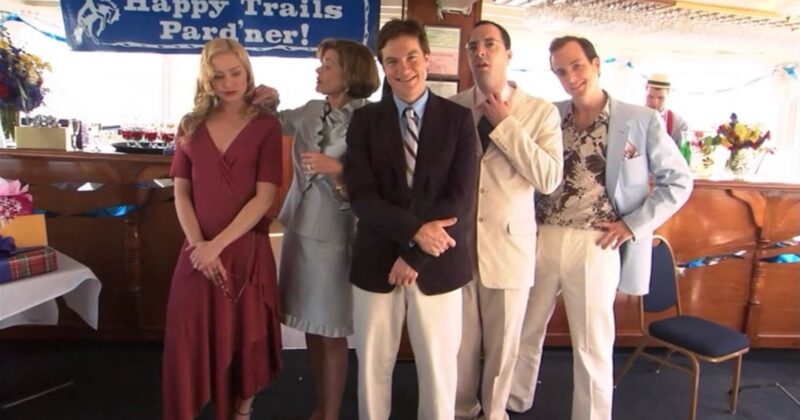
Pilots are notoriously tough. Not only do they need to establish a compelling premise and populate it with memorable characters, but they must communicate complex backstories—all while being genuinely funny. Arrested Development’s pilot achieved the seemingly impossible by presenting a sprawling, dysfunctional family tangled in corporate scandal, introducing a formidable lineup of major characters—each more eccentric than the last—within just over 20 minutes of screen time.
Creator Mitchell Hurwitz’s masterstroke? Employing a deadpan narrator, voiced by Ron Howard, who accelerates exposition with crisp efficiency and dry irony. This narrative device brilliantly punctuates the show’s gags and compresses dense story beats, allowing for an unusually high volume of jokes and visual punchlines per minute. The result is a pilot that is as information-rich as it is consistently hilarious.
The Perfect Blend of Style and Substance
Stylistically, the show managed to stand apart from its contemporaries by exchanging the multi-camera, studio-audience sitcom format for a verité, documentary-inspired aesthetic. The camera’s restless movement, often catching the Bluth family at their most embarrassing or oblivious, gives the impression of a reality show that just happens to be peopled with comedic archetypes.
Directors Anthony and Joe Russo—long before their Marvel blockbusters—demonstrated their flair for wrangling large ensembles, ensuring that even minor side characters sparkled with memorable quirks. Their touch is evident in the way cringe-worthy moments are allowed to linger, drawing out laughter by making viewers complicit in the Bluths’ misadventures.
Establishing a Legacy of Dense, Rewatchable Comedy
What cements the pilot’s reputation is how effortlessly it established a comic rhythm—one built on running gags, recurring visual jokes, and a willingness to mine every moment for character-driven awkwardness. The show’s signature tone, somewhere between biting satire and self-aware farce, was fully locked in from the very first episode.
Even upon rewatching, the pilot episode continues to surprise seasoned fans with its density of jokes and clever callbacks—many of which only reveal their brilliance after several viewings. The expert juggling of story and humor became the template for all that followed, influencing a generation of smart, rapid-fire sitcoms.
Key Technical Innovations of the Pilot
- Deadpan narration transforms exposition into comedy gold.
- Documentary-style camera work heightens the sense of realism while amplifying each character’s absurdities.
- Ensemble balancing ensures every character, no matter how outlandish or minor, gets a memorable introduction—a skill the Russo brothers would later leverage in Avengers: Infinity War and Endgame.
Pop Culture Impact and Enduring Appeal
The legacy of Arrested Development’s pilot episode is visible across countless contemporary comedies that favor high joke density, meta-humor, and dysfunctional family dynamics. Its earliest moments demonstrate how self-contained storytelling, sharp character writing, and inventive direction can produce not just a successful sitcom launch, but a landmark of modern pop culture TV. The Bluths’ twisted world captured lightning in a bottle—a template to which comedy creators still aspire.