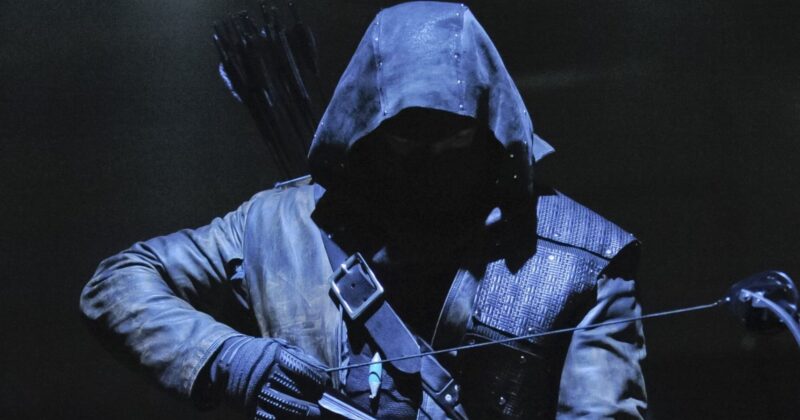
Arrow, The Series That Redefined DC Heroes, Arrives Free on Pluto TV

The Impact of Arrow on Modern Superhero Television
Arrow isn’t just a TV show; it’s the cornerstone that built a sprawling universe of DC characters and multi-dimensional crossovers on the small screen. When it debuted, Oliver Queen’s transformation into the hooded vigilante Green Arrow brought a dark, grounded style to superhero storytelling that resonated with both long-time DC fans and a new generation of viewers. Its creative gamble paid off, powering the birth of the so-called Arrowverse—a live-action continuity that would soon include The Flash, Legends of Tomorrow, Batwoman, Black Lightning, and Supergirl.
Arrow’s Origins and Gritty Reimagining
Led by Stephen Amell, Arrow kicked off with a dramatic premise: billionaire Oliver Queen returns home after being presumed dead, only to embrace a new identity that would see him combatting crime and personal demons alike. The show’s use of flashbacks, tightly choreographed action sequences, and a uniquely grim tone set it apart from earlier, lighter superhero fare. Arrow’s success on The CW proved there was a hungry audience for more mature, serialized superhero drama—and it opened the floodgates for a wave of interconnected spinoffs.
The Arrowverse: Spawning a Franchised Universe
Arrow was more than just Oliver Queen’s story. By its second season, the show began to introduce other costumed allies and foes, paving the way for The Flash — with Grant Gustin’s Barry Allen making his debut before headlining his own hit series. This strategic universe-building continued with Supergirl, Legends of Tomorrow, Batwoman, and Black Lightning, forming one of the most ambitious shared universes on television. These shows then united their casts regularly for crossovers, most memorably the epic ‘Crisis on Infinite Earths’ event which forever changed the franchise’s status quo.
Why Pluto TV Makes This a Big Deal
Now, with Pluto TV offering Arrow free to stream starting in May 2026, a new wave of viewers can discover (or revisit) the origins of this influential franchise without a paywall. For those who missed Arrow when it first aired or couldn’t keep up with its eight-season, 170-episode run, Pluto TV’s move is the perfect invitation to dive in. The series will be available with its full mythos: from Oliver’s shipwreck backstory to the explosive showdowns with Malcolm Merlyn, Deathstroke, and the series’ ever-expanding roster of heroes and villains.
Behind the Scenes: Creative Forces and Cast Highlights
Developed by Greg Berlanti, Marc Guggenheim, and Andrew Kreisberg, and guided by showrunner Andrew Kreisberg, Arrow benefitted from a powerhouse team of directors and writers. Standouts like James Bamford, Glen Winter, Thor Freudenthal and writers including Keto Shimizu and Oscar Balderrama helped sustain a compelling narrative through the years. Alongside Amell, the cast featured David Ramsey as John Diggle, and key appearances by icons like Black Canary and Felicity Smoak, characters who rapidly became fan favorites and essential to the show’s emotional beats.
Arrow’s Lasting Legacy in Pop and Streaming Culture
The finale of Arrow was monumental, even seeing Amell’s Green Arrow make one last appearance in The Flash as the cosmic Spectre—a fitting endnote to a hero whose journey was defined by sacrifice. In the streaming era, the Arrowverse remains a testament to how serialized, interconnected superhero storytelling can thrive outside the traditional comic book medium. With Pluto TV granting open access to Arrow, both old and new fans have the opportunity to understand exactly why the show is so revered across the world of superheroes on screen.