The Visionary TV Event That Changed How We Watch War Stories
Long before platforms like Netflix or Apple TV redefined how series are consumed, one extraordinary miniseries set a gold standard that felt almost prophetic: Band of Brothers. Conceived during the cable television era, this 10-part epic didn’t just retell the story of Easy Company during World War II. It fundamentally altered expectations for scope, budget, and narrative ambition within television, laying groundwork that today’s streaming hits are still measured against.
Large-Scale Storytelling, Movie-Level Budget
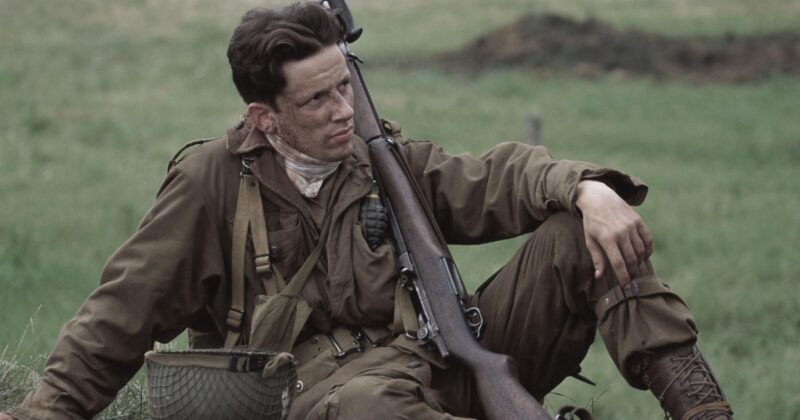
At a time when TV budgets were tightly controlled, Band of Brothers astonished audiences with its cinematic production values. Overseen by executive producers Steven Spielberg and Tom Hanks—directly after their collaboration on Saving Private Ryan—the series blurred the lines between cinema and television. Every episode radiated the gravitas of a feature film, immersing viewers in the experiences of the American paratroopers of Easy Company, from the emotional to the brutal realities of WWII. This commitment to authenticity and spectacle was a significant leap, paving the way for true binge-worthy experiences before the streaming era had even begun.
Why Band of Brothers Still Sets the Benchmark for War Dramas
Decades after its debut, Band of Brothers continues to be regarded as not just a superlative war series, but one of the finest TV productions of all time. Its resonance lies in its refusal to gloss over the hardships of war. Drawing from real veterans’ testimonies and Stephen E. Ambrose’s well-researched book, the show built characters who felt deeply human and situations that remain emotionally affecting.
The writing never shied away from confronting the personal and collective consequences of war, nor did it flatten its sprawling ensemble into mere military archetypes. Viewers connect with Damian Lewis as Richard Winters, Donnie Wahlberg as C. Carwood Lipton, and Neal McDonough as Buck Compton, among other standouts, because each performance is grounded in genuine emotional stakes. This connection makes revisiting the entire series easy and rewarding, an early blueprint for the binge-watching culture now core to streaming platforms like HBO Max.
Legacy and Influence on Today’s Prestige TV
Band of Brothers didn’t just raise the bar for historical drama; it became the template for future war epics produced by Spielberg and Hanks, such as The Pacific and the recent Masters of the Air. While each miniseries brings a unique angle to the WWII narrative, none have overshadowed the blend of immersive storytelling, character work, and technical achievement that defines Band of Brothers.
As new viewers discover the series on platforms like HBO Max, it’s clear that Band of Brothers remains not only a milestone in war television, but also a harbinger of today’s prestige streaming TV. Its influence is visible in the demanding standards of modern series production: lush cinematography, ensemble storytelling, and emotional realism are now widely emulated features—once trailblazed in this visionary miniseries.
The Enduring Power of Real Human Narratives
What distinguishes Band of Brothers from countless other war dramas is its unwavering focus on the bonds formed in crisis and the cost of conflict on both personal and historical levels. Viewers continue to respond to its grounded, nuanced portrayal of camaraderie, sacrifice, and survival. In many ways, the series anticipated what audiences would come to crave in a streaming age: not just entertainment, but an immersive and emotionally authentic journey—one as relevant today as in its original broadcast.