Batman Meets Death Note: A Crossover That Redefines Icons
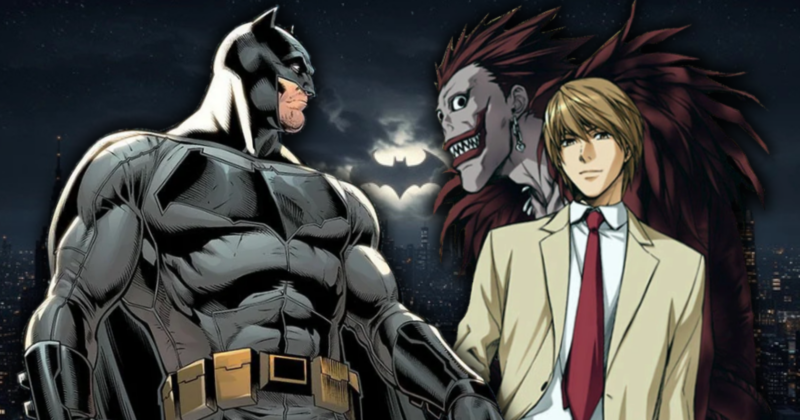
Across decades, Batman has absorbed a staggering array of cultural influences, but his recent forays into Japanese manga mark a new era for the Caped Crusader. A standout example is the latest variant cover for Absolute Batman #19, which delivers a striking homage to the legendary manga Death Note. This isn’t just fan service; it’s a true fusion of Western superhero grit and Japanese psychological thriller intensity, emblematic of the sophisticated narrative cross-pollination reshaping the comics landscape.
Why the Death Note Tribute Resonates So Powerfully
Designed by artist Clay Mann, this cover reconstructs the iconic opening volume of Death Note with a Gotham twist. Instead of Light Yagami, the image features a warped version of the Scarecrow, clutching an axe with the same foreboding air as Light’s infamous pose. More chilling still is the Joker, now reimagined in place of the death god Ryuk—an ingenious choice, considering both characters revel in chaos and push the boundaries of moral ambiguity.
The artistry goes deeper than references: both Death Note and the Batman mythos dive into obsessions with justice, the lure of vigilantism, and the harrowing interplay of hero and villain. This tribute cover not only nods to a genre-defining manga but directly engages with those dark philosophical themes, blending them seamlessly into Gotham’s mythic narrative.
Manga Aesthetics Are Shaping Gotham’s Grit
This isn’t Batman’s first dance with manga’s stylized violence and visual flair. Prior variant covers, like the one echoing Chainsaw Man, have placed Batman in the midst of gleeful chaos—armed with chainsaw-inspired weaponry and bathed in the hyperkinetic energy that defines Tatsuki Fujimoto’s cult hit. Fans immediately recognized the tribute, celebrating the way Batman’s world now overlaps with the no-holds-barred attitude of modern manga heroes.
Beyond specific series, Berserk’s unflinching approach to psychological torment and monstrous adversaries has seeped into Batman’s visual storytelling—hinting at an evolution from mere homage to active, creative synthesis. These aren’t just surface-level pastiches; they point to a deeper tectonic shift in how DC is reconstructing its most iconic hero.
Japanese Superhero Traditions in DC’s Vision
Outside the Absolute line, Batman has also ventured into territory inspired by Japanese tokusatsu (think: kaiju, sentai, and larger-than-life special effects). Projects like Immortal Legend Batman have thrown the Dark Knight into battles with meanings drawn from Japanese pop traditions, further blurring those East-West boundaries. It’s a Batman whose persona grows more universal—and more malleable—across eras and cultures.
From the Shinigami Realm to Planet Vegeta: Batman’s Place in Manga History
The embrace of manga crossovers doesn’t stop at horror and the supernatural. Batman’s legend has increasingly borrowed from the high-octane energy of series like Dragon Ball Z. Artists and fans have pictured him in transformation sequences reminiscent of the Saiyans, channeling that spirit of discipline, self-mastery, and the constant pushing of personal limits—qualities Goku and Vegeta are famous for. This isn’t just playful visual remixing; it brings Batman into a new mythological league, one that speaks the language of multiple generations and fan communities.
The Dawn of a Hybrid Storytelling Era
This ongoing fusion, helmed by creative leaders like Scott Snyder on the Absolute Batman run, is more than just eye-catching covers. The inner workings of Gotham itself are being restyled, imbued with a willingness to reinvent characters and premises through a Japanese lens—from the city’s shadows to its most monstrous villains. For comic enthusiasts, anime fans, and pop culture watchers alike, these experiments signal an exhilarating new chapter for one of the world’s most recognizable heroes.
As Batman continues to mirror, assimilate, and reimagine the aesthetics and philosophies that have shaped manga’s global impact, his mythology grows ever more unpredictable and culturally resonant—proving there are always new shadows for the Dark Knight to explore.