Vampires Reimagined: Series That Redefine Immortality on Screen
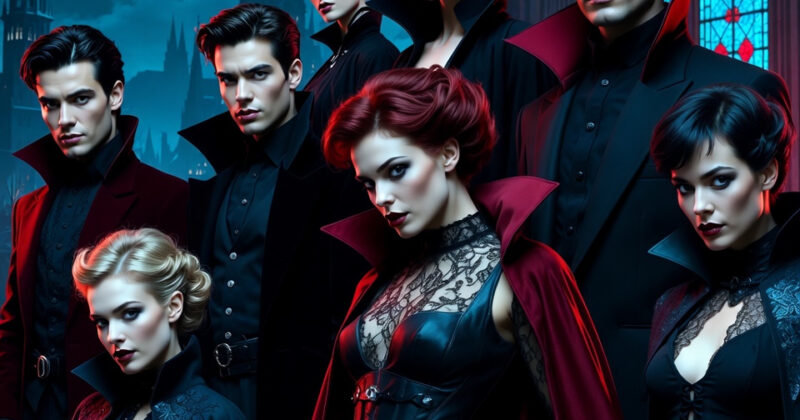
Vampires have always been more than just monsters skulking through gothic shadows or star-crossed lovers fixated on eternity. The best television series in this genre confront their protagonists with the burdens and complexities of immortality, transcending the typical tropes with compelling world-building, nuanced antiheroes, and fresh mythologies. If you think The Vampire Diaries is the pinnacle of vampire TV, prepare to uncover a rich universe where fangs, legacy, and existential stakes intertwine in extraordinary ways.
Castlevania: Animated Carnage with Gothic Grandeur
Castlevania adapts the classic Konami video game in a way rarely seen in animation. With a darkly cinematic medieval aesthetic and an unapologetically mature tone, this series plunges Trevor Belmont, Sypha Belnades, and the tragic Alucard into a relentless battle against Dracula himself. Far from the romanticized teen angst of other shows, Castlevania is a visceral, gothic action saga that doesn’t shy away from complex grief, legacy, and the cost of vengeance. Every frame pulses with detailed world-building and a respect for the vampire mythos as a lens for both horror and heartbreak.
Legacies: A Supernatural School Where Vampires Are Just the Beginning
The CW’s Legacies expands beyond its roots, spotlighting Hope Mikaelson and the next generation at the Salvatore School for the Young & Gifted. Here, vampires share the spotlight with witches, werewolves, and creatures pulled from every corner of folklore. Rather than focusing strictly on bloodlines, Legacies thrives on identity, destiny, and the struggle for self-determination. It delivers supernatural adventure with a monster-of-the-week style, adding whimsy and emotional resonance to tried-and-true genre foundations.
Teen Wolf: Loyalty and Sacrifice in a Supernatural Arena
Reimagining the cult classic ‘80s film, Teen Wolf crafts a high school drama infused with a rich tapestry of supernatural threats—vampires aren’t always front and center, but their shadow looms large over a mythology built on werewolves, banshees, and other monsters. Scott McCall’s journey is driven by fierce friendship and evolving maturity, subverting the romance-first formula in favor of themes like sacrifice and loyalty. Each supernatural challenge is a metaphor for coming-of-age trials, making the horror feel urgent and deeply human.
Being Human: The Price of Immortality
Being Human (US version) strips the gloss from the vampire existence, centering on Aidan—a centuries-old vampire tormented by addiction and remorse. Living with a ghost and a werewolf, Aidan’s struggle is as much about resisting bloodlust as it is about finding redemption among the living. Here, vampirism becomes a raw metaphor for personal demons and recovery, serving up one of the most psychologically insightful takes on immortal suffering. The show’s balance of horror and character-driven drama sets a mature standard for the genre.
The Originals: Family, Power, and the Roots of Vampire Mythology
The Originals returns to the heart of vampire legacy, zeroing in on the ancient Mikaelson family amid the haunted streets of New Orleans. Sabotage, ancient rivalries, and shifting alliances define this story, with Klaus, Elijah, and Rebekah navigating centuries of trauma and intrigue. Unlike its predecessor, this series embraces a grittier tone and delves into the consequences of immortality, exploring how vampires, witches, and werewolves vie for supremacy—and how ancient grudges never truly die. Fans of layered storytelling and dark family dramas will find The Originals a more complex and ambitious evolution of the genre.
Angel: Redemption with a Bite
A spin-off from the Buffyverse, Angel breaks away from high school horror, rooting its title character in L.A.’s noir landscape. Angel (David Boreanaz) fights external demons and his internal struggle for atonement after centuries as the notorious vampire Angelus. The series balances supernatural thrill with existential reflection, introducing intricate moral landscapes and some of television’s most compelling antiheroes. The shift from Buffy’s high school drama to Angel’s adult dilemmas builds on the vampire-as-outsider trope and questions whether immortals ever truly find peace.
From superb animation to gothic melodrama and profound psychological storytelling, these series prove there’s a lot more to vampires than eternal love triangles. Whether you’re drawn to epic battles, dark family secrets, or incisive metaphors for the human condition, the genre has never been richer or more subversively entertaining.