The Reinvention of Book-to-TV Adaptations
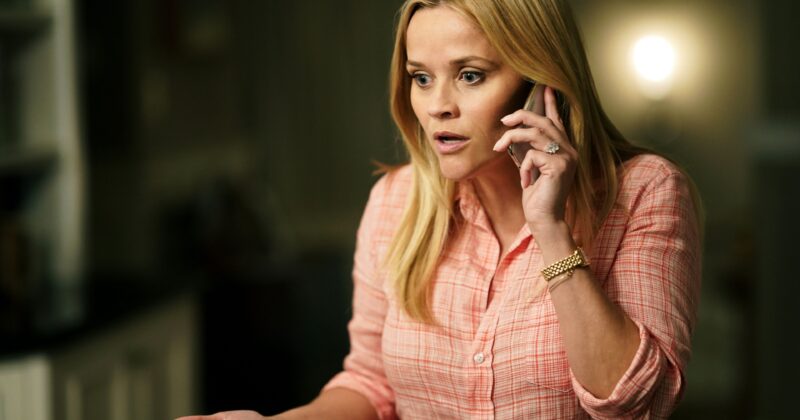
When HBO launched Big Little Lies, it wasn’t just another book adaptation—it was a masterclass in reinventing the rules for drama series based on novels. With a powerhouse cast led by Reese Witherspoon and Nicole Kidman, the series dove deep into the complexities of motherhood, secrets, and privilege in a seemingly idyllic beachside community. What set it apart was its unapologetic focus on women’s experiences, at a time when high-profile, genre-defining TV was often a male-dominated affair.
From Page to Screen—And Far Beyond
Big Little Lies had its roots in Liane Moriarty’s 2014 bestseller, and its first season followed the novel closely, unraveling a murder mystery with every episode. The series achieved critical acclaim, sweeping major awards and captivating audiences with its blend of suspense and intimate character portraits. But the real shake-up came when the show stepped beyond the novel’s boundaries.
Although the original concept was a self-contained miniseries, enthusiastic response from fans and critics sparked the much-debated second season. Without an existing novel to guide it, the creative team relied on a novella written by Moriarty as a narrative touchstone. The results, while divisive, showcased an evolving approach to adaptation: bold enough to move beyond the source material, yet still anchored by its core themes.
Navigating the Risks and Rewards of Going Off-Book
Season two introduced Meryl Streep to the cast, elevating the show’s profile even as it courted controversy for its tonal shift. The thriller elements faded, making way for intense domestic drama. Some viewers longed for the suspenseful storytelling of season one, while others appreciated the deeper exploration of trauma, friendship, and the costs of truth. The season proved that taking creative risks could yield authentic, if sometimes polarizing, television—especially when supported by standout performances.
Breaking New Adaptation Territory with Season Three
Few adaptations have dared to switch modes as Big Little Lies has: from faithful retelling, to original storytelling, and now, full circle, to adapting a brand new sequel Liane Moriarty is writing specifically for the show. Expect a significant time jump—characters who were children are now teenagers—bringing new interpersonal dynamics and matured conflicts. This cyclical adaptation strategy is largely unprecedented, positioning Big Little Lies as a touchstone for how modern television can interact with literary worlds in real time.
The Challenging Path Ahead
Every season post-premiere has begun as a blank slate, with uncertainty about whether the story had more to give. The upcoming sequel novel marks Moriarty’s first true foray into continuing her own universe, raising questions about sustained narrative quality and whether future stories will remain compelling for both cast and audience. With talents like Witherspoon, Kidman, Streep, Laura Dern, Shailene Woodley, Zoë Kravitz, and Adam Scott juggling major careers, assembling the ensemble for new seasons is an ongoing feat.
The show’s ability to twist expectations and push conventional boundaries ensures that whatever comes next will have the industry’s close attention. Big Little Lies continues to be as daring and unpredictable as the mysteries at its core, setting a standard for future adaptations and original series alike.