Black Mirror Episodes That Have Predicted Our Tech-Driven Reality with Chilling Accuracy

Exploring the Enduring Impact of Black Mirror’s Most Prescient Episodes
Since its inception, Black Mirror has stood as a cautionary lens on the darker side of technology, expertly blending dystopian futures with sharp social commentary. Originally launched as a British Channel 4 production, this anthology series has evolved into a global phenomenon with Netflix’s backing, offering us a near-future vision where today’s tech anxieties have become tomorrow’s headlines.
One of the hallmarks of Black Mirror is its uncanny ability to forecast societal and technological shifts, often years before they fully materialize. This makes revisiting certain episodes a fascinating exercise, as their speculative fiction transforms into a mirror reflecting contemporary concerns.
The National Anthem: Politics, Scandal, and Viral Outrage
The show’s very first episode remains hauntingly relevant, illustrating how digital media and public spectacle shape modern political narratives. In “The National Anthem,” the shocking demand for the Prime Minister to engage in a grotesque act on live television to save a kidnapped princess mirrors real-world politics, particularly recalling the infamous 2015 scandal involving allegations against a British Prime Minister. The episode is a sharp commentary on media sensationalism, public consumption of scandal, and how a leader’s image can be subject to extreme manipulation and humiliation in the age of viral content.
Shut Up and Dance: The Dark Side of Digital Privacy
Unlike many of its counterparts projecting advanced future technologies, “Shut Up and Dance” is terrifyingly plausible within today’s digital landscape. It delves into the vulnerabilities exposed by our reliance on online privacy and security, dramatizing how blackmail based on hacked personal data can spiral into morally complex and desperate decisions. This grounded, present-day thriller serves as a grim reminder of everyday risks inherent in our connected lives, making the episode chillingly relatable.
Be Right Back: Resurrecting Loss Through AI
“Be Right Back” portrays a near-future where artificial intelligence resurrects deceased loved ones by mimicking their personas using social media footprints. While fully humanoid replicas are not yet a reality, the episode anticipates ongoing advances in AI-driven chatbots and digital avatars that increasingly blur the line between human memory and artificial interaction. It speaks deeply to our emotional vulnerabilities and the ethical dilemmas posed by technology’s intrusion into grief and mourning.
The Entire History of You: A Surveillance Society’s Impact on Relationships
Season one’s conclusion imagines a world where memory implants store everything an individual sees, allowing replay at will—turning intimate relationships into psychological battlegrounds. The power to instantly recall and scrutinize moments feeds insecurities inherent in trust and jealousy. This episode transcends technology alone, tapping into timeless emotional conflicts amplified by intrusive surveillance capabilities, a concept drawing closer with today’s wearable tech and ubiquitous recording devices.
Hated in the Nation: Cancel Culture and the Weaponization of Social Media
Launching into the conversation around collective online outrage, “Hated in the Nation” introduces a frightening scenario where social media-fueled mob justice literally carries a deadly consequence through robotic bees targeting those deemed despised. This incisive allegory not only illustrates the dangers of cancel culture but also forewarns about the escalation of public shaming enabled and amplified by technology. It demonstrates how instantaneous social media reactions can evolve into real-world consequences, with troubling implications for accountability and justice.
Nosedive: Social Status as a Digital Currency
The critique of social media obsession in “Nosedive” grows even more relevant as rating systems and social credit experiments appear in various regions worldwide. This episode highlights the psychological toll of constantly chasing online approval and the performative nature of curated digital personas. With Bryce Dallas Howard’s incisive performance, the narrative captures the superficiality and alienation bred by a society that quantifies human worth through likes, comments, and rankings—an increasingly common phenomenon in our hyperconnected world.
Metalhead: Surviving Against Autonomous Machines
Shot in stark black-and-white with a minimalist approach, “Metalhead” strips Black Mirror down to a relentless chase, where a lone survivor is hunted by deadly robotic dogs. Its stripped-back aesthetic enhances the intensity and dread, a reminder of how autonomous weapons and AI-driven machines could upend humanity’s future. This bleak vision has grown only more compelling as real-world advances in robotics and AI-driven weaponry raise ethical and existential questions similar to those dramatized here.
San Junipero: A Rare Ray of Hope in a World of Tech Dystopia
Breaking from the show’s typically grim tone, “San Junipero” offers a poignant narrative about love, memory, and digital afterlife. Its optimistic view of technology as a means for connection and transcendence contrasts with the broader series themes, showcasing nuanced storytelling that embraces technology’s potential benefits alongside its risks. This episode remains a beloved standout, often cited for its emotional depth and hopeful treatment of digital immortality.
USS Callister: Virtual Reality and Toxic Power Dynamics
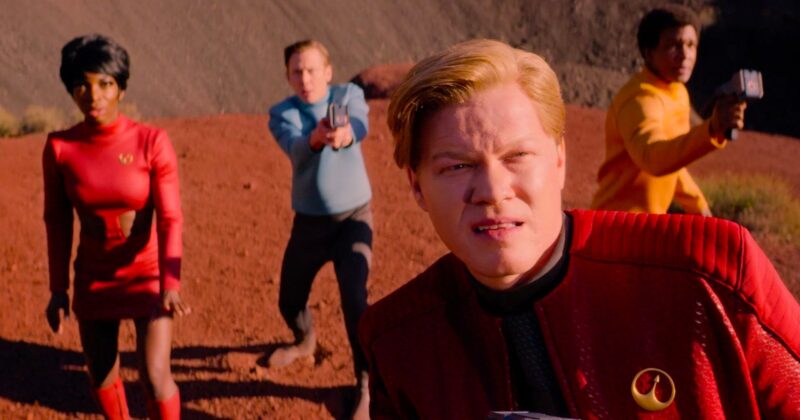
This Star Trek-inspired episode explores the misuse of technology within a virtual reality environment, focusing on power, control, and misogyny personified through Jesse Plemons’ chilling antagonist. It highlights the darker impulses that can manifest when technology enables unchecked domination, virtual abuse, and escapism. The fusion of sci-fi adventure with social critique touches on complex issues relevant to virtual spaces and online communities that continue evolving today.
Black Mirror’s ability to chronicle, criticize, and sometimes even predict the intersection of humanity and technology is what keeps the series compelling years after its debut. Its anthology format allows each episode to act as a standalone parable, each exploring facets of our tech-saturated lives with nuance and often uncomfortable truth. Whether it’s the erosion of privacy, the obsession with digital validation, or the moral challenges of emerging AI, Black Mirror remains a gripping reflection on a future that is, in many ways, already here.