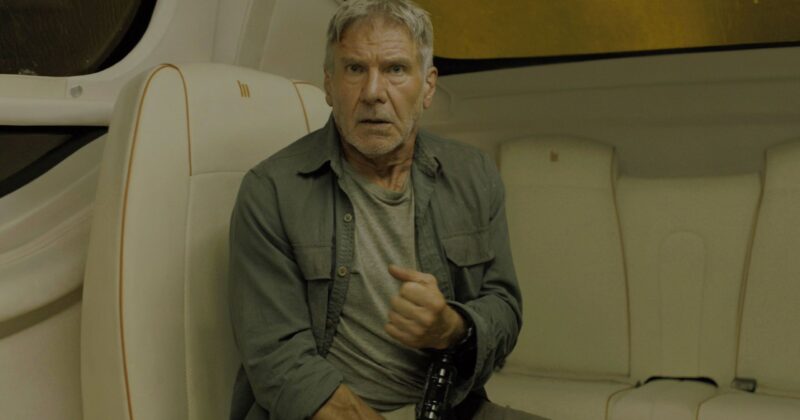
Blade Runner 2099: Prime Video Dives Deeper into a Legendary Cyberpunk World
Few franchises in science fiction evoke as much visual and philosophical legacy as Blade Runner. Now, with Blade Runner 2099 headed to Prime Video, the enduring saga based on Philip K. Dick’s seminal novel is poised to offer its boldest interpretation yet. Perfectly aligning with the surging global conversation on artificial intelligence, this new installment lands right when audiences are more eager than ever to debate the boundaries of technology and humanity.
From Cult Status to Streaming Powerhouse
The original Blade Runner, directed by Ridley Scott, set the cyber-noir template over the decades, inspiring countless creators and leaving fans to dissect its multiple cuts and dense themes. Despite its now-revered status, the film (and its stunning 2017 sequel) struggled at the box office, often considered too intellectually demanding for broad commercial appeal. Streaming changes that equation entirely. Blade Runner 2099 avoids the pressures of theatrical draws, instead promising uninterrupted, serialized storytelling ideal for elaborate world-building and nuanced exploration of complex ideas.
The Age of Artificial Intelligence and New Relevance
Prime Video’s choice to launch Blade Runner’s new chapter now is no fluke. Artificial intelligence, once a distant speculation, now dominates headlines with debates about ethics, consciousness, and societal impact. These questions have only increased since 2024, turning once-fictional dilemmas into real-world policy battles. Within this cultural backdrop, Blade Runner 2099 has the opportunity to engage with its core questions—what makes us human, and could machines ever cross that invisible line?—in a manner more urgent and resonant than ever before.
Expanding the Mythos: More Time, More Depth
One of the persistent challenges for the Blade Runner universe has been condensing sprawling philosophical debates and intricate world-building into film-length formats. Now, with a streaming series format, the show can linger on the daily lives of replicants and those who hunt—or protect—them, highlighting the atmospheric tension that made the original films cult favorites. Expect extended arcs, richer character development, and more opportunities to ponder dilemmas no other sci-fi brand is as uniquely equipped to dissect.
A Stellar Cast Led by Michelle Yeoh
Guiding this evolution is Michelle Yeoh as Olwen, a replicant on the edge of mortality. Yeoh’s gravitas and emotional range hint at a season prepared to scrutinize AI in ways that reach beyond the purely intellectual. Along with Hunter Schafer and Dimitri Abold, Blade Runner 2099 promises to humanize its synthetic characters while embracing the morally ambiguous landscape fans have come to expect. The story’s focus on Olwen tackles the experience of ‘life’ from a perspective rarely seen in television, ready to confront viewers with uncomfortable, necessary questions about identity and autonomy.
Creative Forces and Visual Storytelling
Behind the lens, Jonathan van Tulleken directs, while Silka Luisa helms writing duties, ensuring the series stays true to its atmosphere of smoky streets, neon-lit rain, and oppressive existential tension. The move to streaming allows for more audacious production design and a serialized narrative that can afford ambiguity and slow burns alongside sudden bursts of violence and revelation. The ambition is palpable—not just to revisit the franchise, but to push it into territory that reflects society’s own accelerating anxieties about the future.
Prime Video’s Bet on Sci-Fi Powerhouses
Blade Runner 2099 is part of a broader surge in high-concept science fiction on streaming platforms. As audiences crave complex, mature storytelling, the timing could not be more fortuitous. By blending the dystopian beauty of the Blade Runner legacy with contemporary fears and ambitions surrounding AI, Prime Video’s series looks set to deepen not only the franchise, but also our cultural conversation around what comes next for humanity and machine.