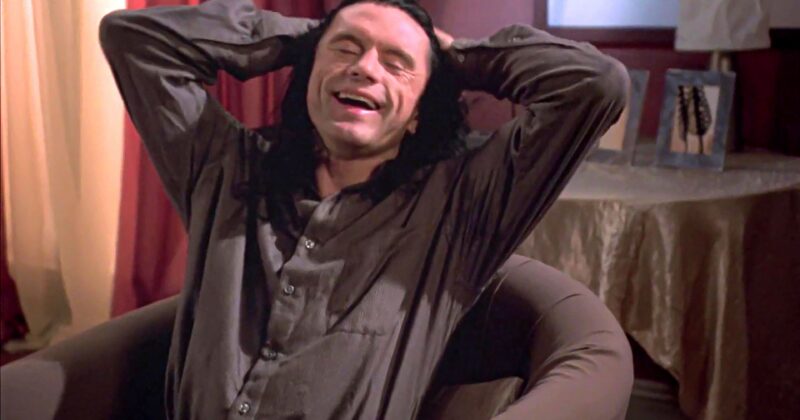
Bob Odenkirk and the Unfolding Saga of The Room Remake
The Room has become more than just a cult phenomenon; it’s a pop culture touchstone. Its awkward melodrama, bizarre scripting, and Tommy Wiseau’s unique performance have inspired everything from midnight screenings to Oscar-nominated adaptations. Now, with Bob Odenkirk stepping into the iconic role of Johnny for a green screen-driven charity remake, the unexpected story continues — yet fans are still waiting for a broad release.
A Charity Project with Uncertainty at Its Core
Announced as a creative endeavor directed and produced by Brando Crawford, The Room Returns assembled a cast that blends dedicated cult film aficionados and Hollywood talent. Bob Odenkirk, celebrated for his roles in Better Call Saul and Breaking Bad, takes on Wiseau’s infamous Johnny. He’s joined by Bella Heathcote, Kate Siegel, Mike Flanagan, and even Greg Sestero from the original film. What sets this remake apart is its mission: proceeds are pledged to support the important work of amfAR and the Actors Fund.
Despite its altruistic ambitions, the remake has been stalled. Odenkirk himself admits confusion about the holdup, noting that the movie was filmed with charitable intent and that he and his colleagues were confident in the result. Having seen a sneak peek — specifically the remake of the legendary flower shop scene — Odenkirk describes the collective effort to imbue sense and depth into Wiseau’s labyrinthine script. It’s an artistic challenge: can a seasoned cast render infamous lines with emotional logic and authenticity?
The Legal Maze Behind The Room’s Release Rights
One major obstacle seems to be questions of intellectual property. Odenkirk muses that perhaps Brando Crawford didn’t secure all necessary rights, leading to the current limbo. Tommy Wiseau, fiercely protective of his work, has a complicated relationship with The Room’s distribution. Over the years, he has opted for brief digital outings — such as a fleeting full upload to his YouTube channel — and special event screenings, but seems cautious about licensing broader releases.
This cautious approach plays into the remake’s challenges. Reports suggest Wiseau may worry the remake is mocking his original, even as Odenkirk insists the intent is homage, not parody. Wiseau’s history with streaming platforms, such as claims that his own demands led to streaming rejections, adds yet another layer to the distribution conundrum. In contrast, the success and relative ease with which The Disaster Artist (based on Greg Sestero’s memoir) moved through rights and release channels only deepens the mystery here.
Why The Room’s Legacy Still Resonates
What makes The Room endure isn’t just its meme status; it’s the way audiences intuitively grasp Wiseau’s peculiar vision. Odenkirk articulates this in interviews: even in moments when logic and emotion falter on screen, viewers sense the aspirations beneath the surface. Remaking such a legendary ‘so-bad-it’s-good’ film presents unique artistic and ethical considerations for any production team. Odenkirk’s stated goal was to honor the original by preserving its emotional core, while gently smoothing out its narrative rough edges.
The Future of The Room Returns
With no concrete digital release on the horizon, the fate of The Room Returns epitomizes the ongoing tension between cult filmmaking, fan reverence, and the tangled web of creative ownership. As Wiseau continues to negotiate his own legacy — and perhaps seeks a more lucrative deal for his original work — fans of midnight movies, genre oddities, and the art of cinematic reinvention keep a close watch. For aficionados of film history, The Room remake is more than just a curiosity; it’s a fascinating case study in how cultural icons are preserved, reinterpreted, and sometimes, kept just out of reach.