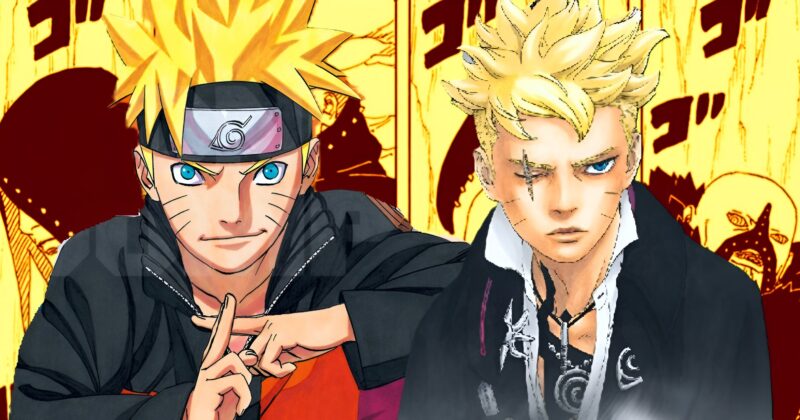
Boruto Proves Its Legacy as Naruto’s True Successor with Ingenious Tactics

When Boruto Steps Out from Naruto’s Shadow
The evolution of the Naruto universe into Boruto: Two Blue Vortex has seen its share of peaks and valleys, but recent chapters are redefining what it means to be the successor of a legendary ninja franchise. While the Naruto Shippuden anime brought an epic conclusion years ago, its legacy persists—thanks in no small part to Boruto’s willingness to carve out its own distinct identity within the sprawling world of ninja warfare.
Tactics Over Raw Power: The Divine Tree Threat
Classic fans associate Naruto with mind-bending strategy and large-scale confrontations; Boruto has tiptoed along this tightrope, sometimes feeling like an experimental spin-off and other times nailing the heart of tactical ninja storytelling. The latest arc, featuring the Human God Trees and the monstrous Mamushi, delivers not just on sheer spectacle, but on cleverness. Mamushi’s menacing ability to multiply and overwhelm with an army of clones pushed Boruto, Kawaki, and the defenders of Konoha to the brink. This moment played on the terrifying idea of facing a foe with the numbers—and fury—of Naruto’s own shadow clone jutsu, albeit in a nightmarish form.
Despite the monstrous numbers, Mamushi’s collective intelligence became diluted with each division, opening a window for strategic counterplay. Meanwhile, Sarada’s evolution with the Mangekyo Sharingan and her gravity-warping Ōhirume technique reminded readers why the Uchiha legacy isn’t just about raw power—though even this technique fell short against Mamushi’s persistence.
A Nod to Tactical Mastery: Inojin’s Pivotal Move
The true brilliance emerged when Inojin adapted his mother Ino’s Mind Body Transmission Jutsu—a classic nod to mental warfare that’s always been a backbone of the Naruto universe. By carefully analyzing Mamushi’s cloning process, Inojin realized all duplicates operated under a single, hive-minded consciousness, networked through their shared vision. Using the Mind Body Transmission on just one clone, he momentarily took control of the entire swarm, creating an opening for a highly creative finish.
What followed was pure shinobi ingenuity: Inojin forced Mamushi to target Daemon, whose reflective abilities then ricocheted the attack back at every Mamushi clone, obliterating them all at once. It’s exactly this kind of chain-reaction tactic—where knowledge and creativity matter more than brute force—that has long separated Naruto’s best battles from forgettable skirmishes.
Boruto’s Fights Rediscover the Art of Strategy
While Boruto: Naruto Next Generations has delivered memorable moments—Sarada’s black hole prowess, Kawaki’s ruthless efficiency—many previous victories have felt unearned, hinging on last-minute revelations or overwhelming new jutsu. By contrast, these recent events in Two Blue Vortex showcase a return to form: even as powers scale up, victory goes to the ninja who can turn a hopeless situation inside out using brains over brawn.
This renewed focus echoes some classic franchise highlights—remember Sasuke’s sly defeat of Deidara through reverse summoning, or Naruto’s cerebral duel with Pain? Boruto is beginning to echo those legendary moments, confirming its status as a genuine continuation rather than just a namesake successor. The creative shift under writer Mikio Ikemoto is increasingly clear, and the stakes for Konoha’s next generation of heroes have never felt more real—or more thrilling for fans who crave meaningful, tactical anime storytelling.