Shikamaru Nara’s Unexpected Ascension as Hokage
Few characters in the Naruto universe have been as respected for their intellect as Shikamaru Nara. Renowned for devising strategies that leave both allies and enemies in awe, Shikamaru’s legacy as the ultimate tactician is undeniable. But with recent developments in Boruto: Two Blue Vortex, fans are divided over his fitness for the role of Hokage, an office that demands not only brainpower but also adaptability and decisiveness under immense pressure.
The Nara Clan’s Tactical Legacy—and Its New Challenges
The Nara clan’s reputation rests on the ability to think several moves ahead. In the aftermath of Naruto’s era, Shikamaru stood out as the heir apparent not only to his clan’s genius but also to Konoha’s strategic leadership. As the acting Eighth Hokage, however, Shikamaru has had to transition from battlefield tactician to political leader and community guardian.
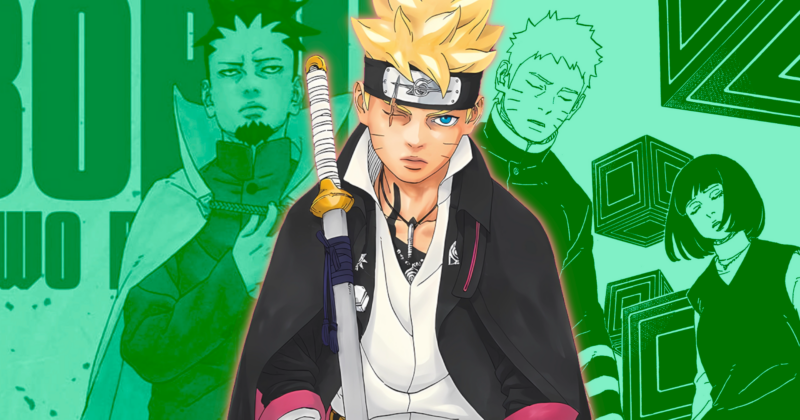
While he once left audiences amazed—such as his surprising victory over Temari during the Chunin Exams or his masterful confrontation with Hidan—Boruto’s new manga arc shows a different Shikamaru. In Boruto: Two Blue Vortex, his strategies against the humanoid Divine Trees follow a template that’s starting to feel repetitive: using Konohamaru, Eida, and potentially others as bait, in a pattern that’s become increasingly apparent to sharp-eyed readers.
Predictability and Unforced Errors: Is Shikamaru Losing His Edge?
In the world of shinobi, predictability is dangerous. Shikamaru’s earlier moves, celebrated for their cunning and complexity, were frequently several steps ahead of the game. Yet in recent chapters, his willingness to be manipulated by Koji—and even to allow Inojin’s involvement under pressure—paints a portrait of a Hokage no longer operating on his trademark ten-step-ahead wavelength.
This shift in characterization hasn’t gone unnoticed. Iconic battles like the Genin’s fight against the Sound Five or Shikamaru’s calculated vendetta against Hidan exemplified why he was once indispensable. Now, questions linger: Is Shikamaru’s renowned genius being diminished for the sake of story convenience, or are we witnessing the realistic toll of leadership in a turbulent era?
Koji Kashin’s Influence: Power, Prescience, and Manipulation
One of the central conflicts comes from Koji Kashin’s reappearance in the Boruto saga. In possession of a prescient shinjutsu, Koji is able to discern possible timelines, giving him near-omniscient leverage over every scenario. Rather than the Hokage directing operations, Koji orchestrates the action, guiding Shikamaru with calculated nudges and even manipulating battles and interrogations at will.
This creates a unique dilemma. While Shikamaru’s adaptability has always been key—allowing him to adjust in the thick of battle—he’s now playing second fiddle in his own Shogi match, often pressured into tactical positions that lack his trademark flair. The burden of command in the post-Naruto era is more unpredictable and, at times, deeply personal.
The Essential Role of Shikamaru Despite Flaws
Despite mounting criticisms, Shikamaru’s unique skills remain vital. Koji’s foresight comes with substantial risk; the more he reveals, the more likely his predictions diverge. Here, Shikamaru’s value as an adaptable strategist becomes clear—he may not outpace divination, but he is still Konoha’s best hope when facing the unknown.
With each confrontation—most recently using Eida to lure Mamushi—Shikamaru may rely more on instinct than ten-step calculations, but this doesn’t erase his legacy. He remains Naruto’s right hand, a vital advisor and a fighter whose strength lies not in raw power but in lateral thinking—something precious in a world overrun by overwhelming force and divine threats.
Naruto’s Lasting Impact and Boruto’s New Dynamics
The Naruto saga, which began as the tale of an outcast boy seeking to change the world’s view, has always thrived on character growth and the interplay between legacy and innovation. In Boruto: Two Blue Vortex, Shikamaru’s controversial performance as Hokage challenges the mythos, highlighting the difficulties of succession and the unique burdens placed upon each new leader.
No matter the current debates about his choices, the series remains a compelling examination of how strategy, leadership, and power evolve in the face of unprecedented threats. Whether Shikamaru will reclaim his edge—or forge an entirely new approach—remains a tantalizing question for fans, and one worth following as the Boruto saga unfolds.