Brandon Sanderson: A Critical Eye on Fantasy Adaptations
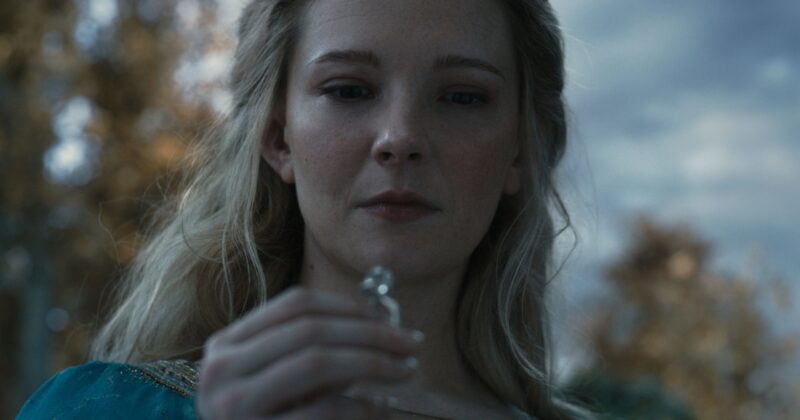
When The Lord of the Rings: The Rings of Power first appeared on streaming platforms, it reignited fierce debates within the fantasy community—not just because of its sky-high production costs, but due to bold creative choices that sparked strong reactions. Fantasy writer Brandon Sanderson, an influential voice thanks to his acclaimed novels and extensive work in imaginative world-building, entered the debate with a measured yet significant critique. His observations reach beyond Middle-earth and point to larger, industry-wide patterns defining the live-action adaptation boom.
Sanderson’s Core Issues With Rings of Power
During a candid discussion on his podcast, Sanderson identified several problematic trends in The Rings of Power. Chief among them was the emergence of a ‘grimdark’ sentiment, especially prominent in the Harfoot storyline. In the show, the Harfoots—ancestors of the Hobbits—are depicted as a nomadic, survival-focused group who sometimes abandon their own if they can’t keep up. Sanderson saw this as a departure from the inherently optimistic, warm-hearted spirit that Tolkien embedded in his Hobbits. The author expressed it succinctly: ‘We don’t need grimdark Hobbits.’
His concerns didn’t end with tone. Sanderson dissected the show’s portrayal of military strategy, calling out scenes where characters make decisions that defy the logic historically associated with Middle-earth’s warfare. From improbable cavalry charges by Númenórean forces to confusing shifts in defense tactics, Sanderson argued these scenes prioritized cinematic spectacle over world-consistent logic. This is a pattern fans also noted in the final seasons of Game of Thrones: visually thrilling, but sometimes incoherent from a tactical or narrative standpoint.
Lastly, Sanderson pointed at the bleakness permeating main story arcs and character motivations—a trend he felt undermines the uniqueness of Tolkien’s philosophy, which laced even dire narratives with hope and whimsy. The eruption of Mount Doom and the almost comically villainous machinations of Sauron and Adar were, to Sanderson, symptoms of this wider shift toward darkness-for-darkness-sake in fantasy television.
A Widespread Shift in Fantasy: Is Grimdark the New Norm?
What makes Sanderson’s critique so compelling is its clear resonance beyond just Tolkien adaptations. Iconic series such as The Witcher, House of the Dragon, and The Wheel of Time all embrace a darker, grittier style in their recent seasons. Writers tilt their scripts toward high-stakes, often somber political dramas, where humor and magic are minimized in favor of more nihilistic storytelling. Even when source material offers humor or playfulness—qualities entrenched in classic fantasy—they’re often sidelined in adaptations prioritizing «epic» tension over lighthearted magic.
Sanderson himself has experienced the adaptation process up-close, notably with The Wheel of Time. Despite finishing the original book series after Robert Jordan’s passing, he was candid about how his input was largely set aside during its adaptation. This mirrors fan frustrations worldwide, particularly as high-profile adaptations drift from the core sensibilities that made their worlds compelling to begin with.
The Harry Potter Effect: A New Take on Darkness
The phenomenon isn’t restricted to Tolkien or epic sagas about distant worlds. This year, the reveal of HBO’s Harry Potter series trailer crystallized Sanderson’s warnings. Gone are the luminous colors and magical whimsy of the Chris Columbus films. Instead, the upcoming adaptation features a muted palette, a sharper focus on the abusive Dursleys, and a strikingly somber tone—even before viewers set foot at Hogwarts. This tonal evolution began in the films with Harry Potter and the Prisoner of Azkaban, but the new series appears to double down, offering a world where the fantastical is relentlessly serious and the shadows grow ever longer.
This trend prompts deep questions for creatives and audiences alike: Should fantasy, a genre that thrived on wonder and subversion of reality, chase after the bleakness of prestige television? Or does it lose something vital when all elves, wizards, and mythical creatures are forced to live in perpetual gloom?
Where Do Fantasy Fans and Creators Go From Here?
Brandon Sanderson’s critical gaze does not dismiss the achievements of modern adaptations. Rather, it is a call to balance—to remember that the longevity and resonance of stories like The Lord of the Rings, The Wheel of Time, or even Harry Potter, lie not only in shadow but in the interplay of light and dark. For every brooding antihero or devastating battle, there can remain space for laughter, eccentricity, and the uplifting power of hope—qualities that carved out fantasy’s space in pop culture and in the hearts of audiences around the world.