Buffy Returns: A Smart Reboot That Avoids the Nostalgia Trap
When news first broke of Hulu’s upcoming Buffy the Vampire Slayer: New Sunnydale sequel series, long-time fans braced themselves for the all-too-common pitfalls of TV revivals: recycled storylines and empty callbacks. Instead, New Sunnydale is shaping up to be a masterclass in how to bring beloved supernatural lore into a modern context without cheapening its legacy. With Oscar-winning director Chloé Zhao helming the pilot and Sarah Michelle Gellar reprising her iconic role as Buffy Summers—this time as a mentor to a new Slayer—the series is aiming higher than just a nostalgia grab.
A Fresh Slayer, a New Sunnydale
New Sunnydale is built around Nova, a shy high school student played by Ryan Kiera Armstrong, who discovers her supernatural destiny. Rather than reassembling the entire original cast, the show takes a bold direction: Gellar serves in a guiding, Watcher-like capacity. This not only provides a respectful homage to the original but also carves out space for a new generation to take the spotlight. The cast broadens the universe with Nova’s friends, her single father, and an enigmatic vampire named Shirley, portrayed by Chase Sui Wonders (The Studio).
Importantly, New Sunnydale isn’t echoing the past for fan service. As Gellar revealed on the Shut Up Evan podcast, fans shouldn’t expect a checklist of returning characters like Willow or Spike right out of the gate. The narrative is a true continuation, focused on how Buffy fits into this evolving world, rather than being a straight reboot or reunion special. That approach respects the original’s legacy while refreshing the premise for today’s viewers.
What Supernatural Can Learn from Buffy’s Playbook
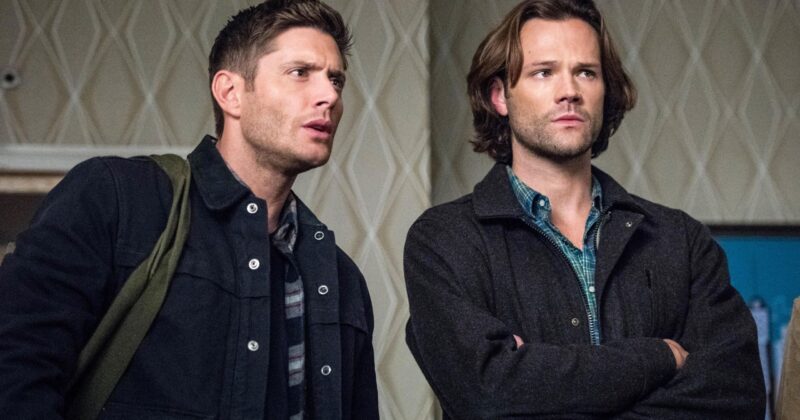
Supernatural, with its enduring cult following, sits atop many wishlists for a comeback. Fans have never stopped clamoring for more, especially after seeing Jensen Ackles and Jared Padalecki reunite in The Boys’ promotional material. Their openness to returning as the demon-hunting Winchester brothers adds fuel to the fire. Yet, a direct continuation risks feeling repetitive after 15 seasons and countless resurrections.
Buffy’s sequel offers a potential template: let beloved heroes become mentors, passing the torch to younger protagonists rather than remaining the perpetual focus. Ackles and Padalecki’s chemistry would still be an essential ingredient, but seeing Dean and Sam adjust to mentorship roles would deliver much-needed character evolution. This invites nostalgia without stagnation, allowing the Winchesters to evolve just as Buffy does.
Both franchises share a mythos where coming back from the dead is almost routine. The key isn’t the return itself, but what happens after. Buffy the Vampire Slayer: New Sunnydale demonstrates how legacy characters can actively nurture new heroes, breathing fresh life into established universes.
Buffy vs. Supernatural: An Epic Showdown?
Historically, Buffy and Supernatural have never aired side by side. This could finally change if a Supernatural revival aligns with New Sunnydale’s debut, at least in theory. Production timelines being what they are, such a showdown remains in the realm of fantasy for now—but the prospect of two influential fantasy series shaping the conversation on television simultaneously is tantalizing for long-time fans of both properties.
With Buffy the Vampire Slayer: New Sunnydale far along in its development and a wave of thoughtful, character-driven decisions guiding its reboot, the series is poised to set new benchmarks for supernatural storytelling on TV. If Supernatural ever returns, it would do well to take notes from Buffy’s playbook—a blend of reverence for the past, investment in new blood, and a refusal to rely solely on the comfort of familiarity. That’s how you build a fantasy saga that resonates across generations.