The True Marvel of Captain America: Civil War Lies in Its Perfect Balancing Act
It’s easy to take for granted just how massive the MCU has become, but any fan who looks back finds a turning point in Captain America: Civil War. This movie delivered an ensemble on a scale that wasn’t just ambitious—it set a new standard for how interconnected blockbusters should handle sprawling casts and big personalities.
Uniting a Cast of Icons Without Losing the Heart
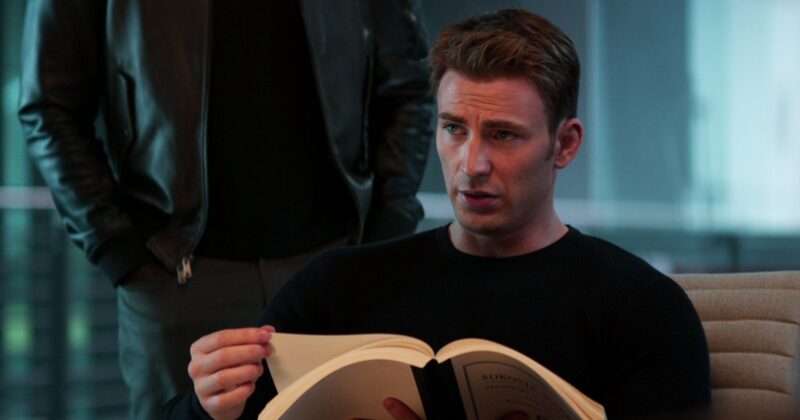
Unlike The Avengers and its sequel, which centered on a core group, Civil War elevated the model by weaving even more key characters into one coherent narrative. Steve Rogers remains undoubtedly the main character, but figures like Bucky Barnes, Natasha Romanoff, Tony Stark, Wanda Maximoff, Vision, and Ant-Man all find meaningful space in the story. Each of these icons isn’t reduced to cameos—they all have their moments to shine, whether it’s through pivotal lines, relationships, or jaw-dropping action sequences. The seamless juggling of so many characters is a feat films in this genre rarely achieve without leaving someone behind.
This delicate choreography matters because it’s still ultimately Steve Rogers’ journey. His loyalty to Bucky and pivotal interactions with Tony and Natasha are central drivers, underscoring that even in an epic ensemble, personal stakes are never lost. That’s the secret ingredient: spectacular scale, but with a narrative core that keeps audiences invested in the characters at the heart of the chaos.
Flawless Entrances: Spider-Man and Black Panther Join the MCU
Both Black Panther and Spider-Man make their MCU debut in this film, and the bar couldn’t have been set higher. Balancing the debut of two future franchise leads within a film already packed with established heroes is a particularly risky move. Yet, the film introduces T’Challa and Peter Parker with finesse, carefully defining their personalities and motivations right from the start. Tom Holland’s brief screen time cements his take on Spider-Man as fresh and unique, while Chadwick Boseman’s T’Challa gets not only striking action but a complete mini-arc, laying the foundation for his solo adventures.
The arrival of these two icons wasn’t just fan service—each fits organically into the broader conflict, and their stories remain vital threads in the film’s fabric. It’s a masterclass in multitasking that pays off when both characters become cornerstones of later MCU phases.
A Villain With Depth: Helmut Zemo Rises Above the Usual
The MCU has often been criticized for its underwhelming villains, but Helmut Zemo is a notable exception. Without superpowers or traditional evil motives, Zemo manipulates the heroes from the shadows, forcing them to play directly into his hands. He’s one of the rare antagonists who wins his battle—not by overpowering, but by dividing the Avengers in ways physical threats never could. It’s a refreshing twist that leaves a lasting scar on the team and the MCU overall, paving the way for future conflict and growth.
Paving the Way for Future Mega-Team-Ups
The methodology that made Civil War so successful was more than just a one-off triumph—it became the blueprint for how blockbuster films could smartly combine dozens of heroes, as seen in Avengers: Infinity War and Avengers: Endgame. Directors Anthony and Joe Russo established essential techniques: crisp character arcs, impactful screen time distribution, and a sharp focus on emotional stakes even amid epic set pieces. The result? Later films could expand even further, bringing in the Guardians, Thor, Hulk, and more without losing clarity or heart.
Captain America: Civil War stands as the prototype for how to combine legacy, innovation, and crowd-pleasing spectacle—proving to both industry and fans that superhero cinema could sustain complexity without sacrificing soul.