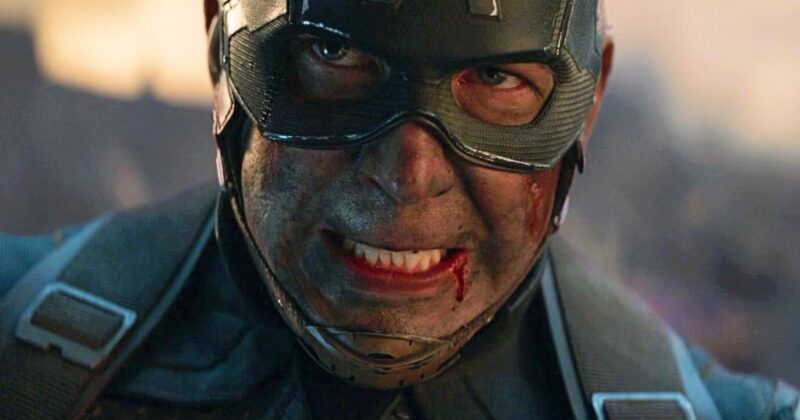
Captain America Unleashed: The Breaking Point of a Symbol
Marvel Comics’ latest arc thrusts Captain America into turmoil like never before, setting the legendary hero against the backdrop of a fractured Latveria. With Doctor Doom’s iron grip on the nation noticeably absent after the One World Under Doom saga, the Eastern European country is teetering on the verge of chaos, torn between new factions vying for dominance and the lingering shadows of Doom’s legacy.
Latveria in Free Fall: The Power Vacuum After Doom
As Latveria crumbles, the landscape is a minefield of political intrigue and betrayal. Steve Rogers finds himself drawn into this furnace of instability, forced to choose allegiances among groups with competing visions for Latveria’s future. The standout is the Latverian Liberators—a resistance cell with noble aims, led by Alina von Doom, Doctor Doom’s enigmatic cousin. Driven by a desire for democracy and transparency, Alina conceals her notorious surname to shield her party from the baggage of Victor von Doom’s reign. Her approach is the polar opposite of the True Latveria movement, a faction led by the ruthless Salvation, who speaks of elections but moves with dictatorial intent.
Salvation’s Reign of Terror: The Mass Grave Discovery
When Captain America uncovers a harrowing mass grave—evidence of civilians executed solely for opposing Salvation—Rogers’ response is nothing less than raw and visceral. Such atrocities ignite a fury rarely seen in the Sentinel of Liberty. Steve’s iconic resolve morphs into a barely contained rage, displaying a side of Captain America that blurs the line between justice and vengeance. This is not the restrained leader Avengers fans know—Rogers embarks on a direct and violent confrontation with Salvation’s forces, continuing the fight even after Alina herself steps in to halt the rampage.
The Unprecedented Depth of Rogers’ Rage
Marvel’s narrative choices here humanize Captain America, positioning him in the moral crosshairs—his fury is justified, his pain real, and his actions impactful. For readers accustomed to Rogers’ stoicism, this arc peels away the layers to reveal the emotional toll of leadership and loss. With Latveria’s fate guiding his every step and the blood of innocents haunting his conscience, Rogers’ decisions promise to challenge his reputation as Marvel’s unwavering paragon of virtue.
Armageddon Looms: Latveria’s Crisis Draws In the Marvel Universe
This conflict escalates as Marvel sets the stage for the highly anticipated Armageddon event. Latveria’s internal strife soon draws the attention of some of Marvel’s most iconic superheroes—Wolverine, Spider-Man, the Fantastic Four, and an expanded roster of Avengers. The central antagonist? None other than General Thunderbolt Ross, now transformed into Red Hulk and seeking revenge after enduring imprisonment as Doom’s political hostage. This vendetta is set to bring all-out war down upon Latveria, blurring the boundaries between hero and oppressor.
The Future of Captain America: Will He Cross the Line?
With internal conflict brewing and old wounds reopened—particularly Steve Rogers’ infamous animosity toward Ross—fans are witnessing an arc that pushes Captain America to the edge. His warning to Nick Fury and the newly reorganized S.H.I.E.L.D. to stay out of his way signals the formation of fault lines not just between nations, but within the very alliances that have defined Marvel for decades. What happens when the world’s most principled hero becomes the most unpredictable piece on the board?
Essential Reading: Captain America #8
For those eager to experience this explosive chapter, Captain America #8 stands out as a must-read—enriching the mythos of Steve Rogers while redefining the stakes for all of Marvel’s heroes as the Armageddon event approaches. With Latveria’s soul up for grabs and the future of Captain America hanging in the balance, one thing is certain: the Marvel Universe will never be the same.