Rediscovering Carnivàle: HBO’s Ambitious Journey into Darkness and Light
If you’ve ever wondered what happens when a streaming platform dares to leap years ahead of audience expectations, look no further than Carnivàle. This HBO series, shrouded in mysticism and set against the haunting backdrop of the Dust Bowl era, stands as one of the boldest experiments in supernatural drama—one whose influence quietly echoes through today’s most lauded shows.
A Show Against the Grain: Carnivàle’s Unique Vision
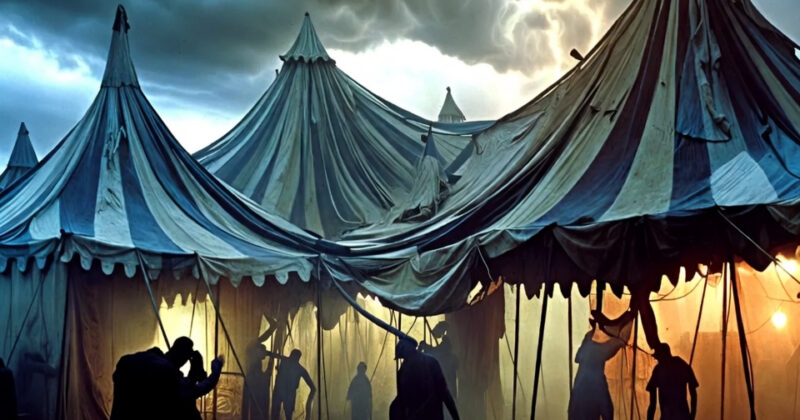
On paper, Carnivàle charts the journey of a Depression-era traveling carnival weaving through rural America. Yet beneath the grit, it masterfully explores the eternal struggle between good and evil, embodied through enigmatic figures: the so-called “creature of light” and “creature of darkness.” Unlike most genre series, Carnivàle never hands viewers an easy answer. Instead, its mythology is layered and uncertain, steeping every frame in ambiguity. This wasn’t just a stylistic choice—it was creator Daniel Knauf’s vision for how TV narrative could evolve, ahead of streaming drama’s golden age.
Innovation Meant Risk: Why Carnivàle Stood Apart
When Carnivàle first aired, HBO was still carving out its reputation as a home for complex narratives. While celebrated contemporaries like The Wire and The Sopranos redefined what television could accomplish, Carnivàle dared to experiment with pacing, symbolism, and episodic mystery in a way that would now be at home among modern premium dramas like Lost or The Leftovers. What sets Carnivàle apart is how it asks viewers to puzzle through prophetic dreams, cryptic prophecies, and moral gray zones in every storyline. It demanded—and rewarded—an attentive viewer, refusing to cater to those expecting easy genre tropes.
Budget, Ambition, and the Unfinished Epic
Carnivàle’s ambition came at a price: its lavish period production and large ensemble cast demanded a budget that, for its time, was unsustainable on cable TV. The show’s original six-season plan was pared back to two, leaving a tapestry of unresolved mysteries. Today, such an investment would be routine for streaming juggernauts—consider how easily modern fantasy series like House of the Dragon command multi-million-dollar budgets per episode. But in its own era, Carnivàle fell victim to both the limits of its time and the risk aversion of network execs.
An Enduring Legacy and Hints of Revival
Despite its abridged run, Carnivàle’s dark, poetic storytelling remains influential. The show’s complex, slow-burn pacing paved the way for today’s prestige TV, where worldbuilding and mythos are central pillars. Its visual style is haunting, its cast unforgettable, and its ambitions undimmed by its early cancelation. As fans continue to revisit the series on streaming platforms, whispers of a revival persist—perhaps, in the age of premium streaming, Carnivàle could finally become the epic saga it always strove to be.
Key Players Behind Carnivàle
Carnivàle was helmed by creator Daniel Knauf and featured a directorial roster including Jeremy Podeswa, Jack Bender, and Rodrigo García. The ensemble cast brought to life an evocative world, with memorable performances from actors like Michael J. Anderson, Bree Walker, and Blake Shields Osgood. Their contributions cemented the show’s lush, atmospheric tone and timeless appeal.
Where to Experience Carnivàle Today
For those seeking a rich, complex supernatural mystery far removed from formulaic storytelling, Carnivàle’s two seasons are available to stream on HBO Max, allowing a new generation to uncover the mystery, menace, and beauty of this hidden masterpiece.