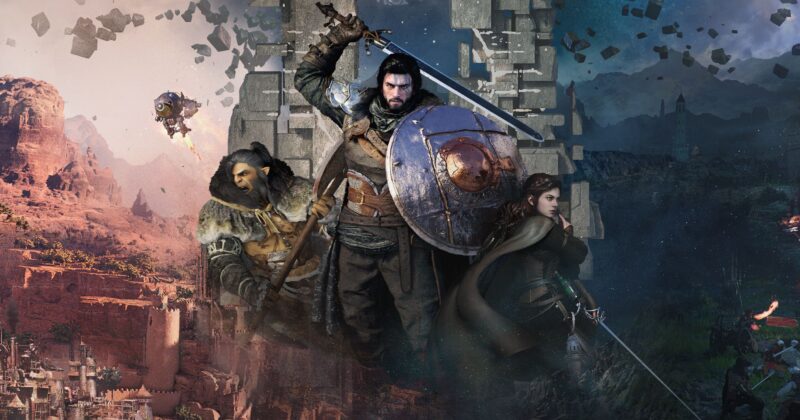
Crimson Desert: When Ambition Meets The Open World
Pearl Abyss has set a high bar with Crimson Desert, describing it as the spiritual successor to Black Desert Online but tailored for single players. The pre-launch promises seemed almost too good to be true: think hunting, fishing, battling dragons, using jetpacks, managing a dynamic economy, unraveling puzzles, and exploring a living open world. The ambition is undeniable, but the final result is a fascinating—and at times, frustrating—showcase of quantity over quality.
60 Mechanics Competing for Your Attention
Players step into the boots of Kliff, a Greymane mercenary thrust into chaos following an ambush and the death of his leader. From the earliest moments, Crimson Desert bombards you with a dizzying array of things to do. NPC interactions, crafting, city exploration, resource gathering—it’s a whirlwind introduction that attempts to impress, but ultimately overwhelms.
Every building is packed with a new NPC, yet most conversations feel hollow. The fishing mini-game, for example, closely mirrors those in titles like Final Fantasy XV and Red Dead Redemption 2 but strips away strategic elements, making it feel functional rather than engaging. The much-touted dynamic economy, promising at first glance, ends up feeling unpredictable and often out of the player’s hands.
Surprisingly, none of these systems truly shine. Life activities become chores needed only to acquire materials for better gear instead of adding true immersion or enjoyment. As your mercenary band’s camp grows and new management systems unlock, brief sparks of strategy emerge, allowing you to dispatch allies on missions for resources. Yet this quickly devolves into a resource loop rather than meaningful gameplay.
Social Systems and Worldbuilding: Lifelike or Lifeless?
Despite sandbox aspirations, many areas in Pywel feel strangely sterile. Most NPCs wander without depth or identity, while faction and reputation systems provide little real consequence. Motivation is muddled by the story’s missing first act: you know you’re meant to gather your former crew, but there’s little sense of why it matters, or what you’re fighting to restore.
Combat: Brilliant Design, Bewildering Controls
Where Crimson Desert does raise the bar is in its combat. The game blends hack-and-slash intensity with Soulslike precision—parries, counters, and combo experimentation are all rewarded. Each character brings unique specializations and sprawling skill trees, with Kliff offering gorgeous flexibility. Maybe you wield a longsword one encounter, switch to polearms or magic in the next, or just use your fists for brutal takedowns. Few players will tackle battles the same way, which is a testament to solid design.
Unfortunately, the control scheme is both rigid and counterintuitive. You’re expected to memorize a labyrinth of button combinations to pull off advanced maneuvers, but in practice, the complexity means most players stick with a handful of reliable moves. Interacting with the world shares these frustrations—context actions often misfire, leading to comical mishaps like vaulting over NPCs when you meant to speak with them.
Difficulty is another mixed bag. Regular opponents are generally a walk in the park, but bosses can spike in challenge, often forcing you to grind resources and upgrade gear rather than rely on skill or tactics. This disrupts the flow and leads to unnecessary frustration rather than engaging challenge.
The World of Pywel: Scenery, Secrets, and Sidequests
At its core, Pywel is a world best savored at a relaxed pace. On the surface, crafting and gathering feel repetitive; dig deeper, and you’ll discover a wealth of sidequests, hidden secrets, and environmental puzzles reminiscent of Breath of the Wild’s shrines. These puzzles can genuinely stump, providing rewarding ‘aha’ moments that stand out amid the repetition.
The sprawling environments invite wandering: ride across vast plains, stumble upon mysterious ruins, and tackle intricate challenges. Performance-wise, Crimson Desert’s grand scale brings moments of wonder—at least when technical hitches remain at bay. Slow exploration and side activities reward players willing to look past the initial overload of systems and mechanics.
Crimson Desert: A Sandbox of Ideas
Few games reach as far as Crimson Desert. It presents a sometimes breathtaking, often chaotic blend of systems that aims for genre-defining depth but sometimes loses the thread. For enthusiasts of epic RPGs who crave experimentation and don’t mind a learning curve—or forgiving the inevitable growing pains—there are moments of brilliance to be found.