Daredevil Returns: The Power of Nostalgic Action
The highly anticipated premiere of ‘Daredevil: Born Again’ season 2 delivers a masterclass in action storytelling, evoking the gritty legacy that made the original series an instant classic. For many fans of live-action Marvel adaptations, few shows have left a mark as deep as the original Daredevil. Its dark, uncompromising tone and relentless fight choreography defined the character of Matt Murdock, creating a high standard that the newest iteration keenly acknowledges.
The Opening Sequence: A Bold Callback
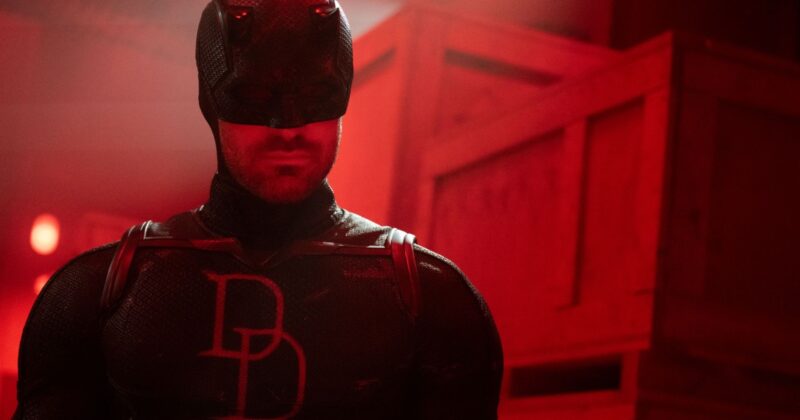
Within the first episode, viewers are thrown into a visceral combat sequence that feels both fresh and eerily familiar. Charlie Cox steps back into the shadows as Daredevil, now suited up in his notable black costume adorned with crimson ‘DD’ insignias. This time, his mission brings him to a ship teeming with Kingpin’s henchmen, where he dismantles his foes with brutal precision amid a labyrinth of shipping containers. The glow of red-tinted lighting bathes the scene, accentuating the mood and echoing the visual language that once set the original apart.
This moment is more than an action beat—it’s a cinematic nod to one of the earliest, most-loved moments of the Netflix series. As longtime fans remember, the docks played host to Daredevil’s first real test in live-action, when Matt Murdock, still developing his vigilante persona, took on a similar oceanfront stronghold in his makeshift suit—complete with bandages and improvised body armor. The creative direction here isn’t accidental; it’s an intentional embrace of nostalgia without sacrificing originality.
Action with Purpose: Why the Callback Matters
Homages in superhero media seldom strike this balance. In ‘Daredevil: Born Again’, the callback does not just serve to win over veterans of the franchise. Instead, it acts as a bridge between the character’s mythos and his continued evolution within the broader Marvel Cinematic Universe. By dropping Daredevil into a scenario that echoes his roots—stealthily eliminating enemies, blending into darkness, and relying on sheer tenacity over flashy powers—the series reminds viewers what sets Matt Murdock apart from other heroes: his humanity, resolve, and combat artistry.
For new fans, this opener is an education in Daredevil’s ethos. For returning viewers, it’s a reward—proof that the showrunners understand and respect the brutal ballet that defined earlier seasons, while elevating the visual spectacle to new heights.
An Evolution in Marvel Storytelling
The reimagined fight choreography showcases why Daredevil’s action remains in a league of its own. Every move is purposeful, and every shot draws the eye deeper into the labyrinthine environment, amplifying tension beat by beat. The absence of overdone CGI or superpowered excess allows the choreography to shine, much like the legendary hallway and stairway sequences that became the calling card of previous seasons.
Such technical finesse extends beyond choreography into set design, lighting, and sound. The claustrophobic environment of the shipyard, bathed in haunting red hues, creates an immersive experience—one that feels pulled straight from the pages of Daredevil’s classic comics while lifting the character’s live-action presence to cinematic heights.
What This Means for Modern Marvel TV
As streaming wars escalate and superhero content continues to expand, ‘Daredevil: Born Again’ sets itself apart by refusing to dilute its formula. The bold creative choice to honor the original series within a modern Marvel show is more than fan service—it’s a declaration of storytelling intent. Expect meticulously choreographed fights, psychological depth, and a hero whose struggles are as compelling as his victories. The message is clear: Daredevil is back, and he’s ready to fight for Hell’s Kitchen, no matter how many times he has to stand up again.