Daredevil: The Epic Origin That Marvel Nearly Shelved – How ‘The Man Without Fear’ Rewrote Superhero Grit

Daredevil: The Man Without Fear – Marvel’s Reluctant Masterpiece
For any fan of street-level superheroes, few names command as much respect as Daredevil. Over the decades, Matt Murdock’s journey through darkness and redemption has seen countless creative highs, but none stand taller than Daredevil: The Man Without Fear. Ironically, this tale—now hailed as the definitive origin for the blind superhero—almost never happened. Originally conceived as a television pilot by the legendary Frank Miller, Marvel initially rejected the script, only to resurrect it as a limited series with John Romita Jr. on art. The rest, as they say, is comic book history.
How ‘The Man Without Fear’ Became Essential Daredevil Lore
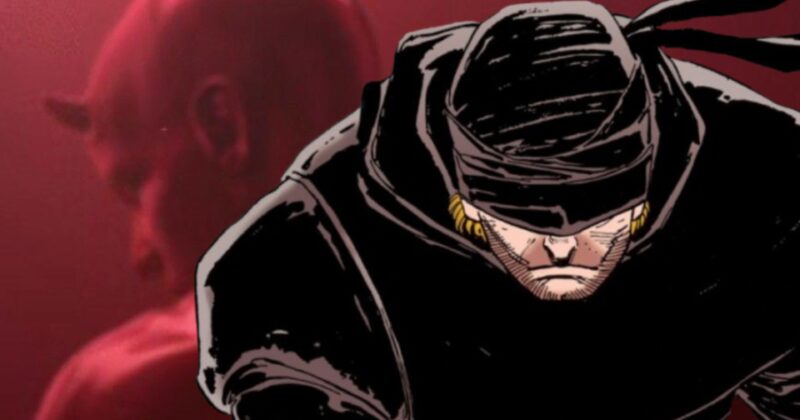
If you’re familiar with the pulse-pounding first season of Netflix’s Daredevil, you’ve already witnessed echoes of The Man Without Fear. The look and feel of Matt’s early NYC vigilante days owed everything to Miller and Romita’s vision: the intimidating black makeshift suit, the raw brutality, key figures like Stick, Elektra, and ‘Battlin’ Jack’ Murdock—all emerged from its pages. It’s not simply nostalgia; it’s because This comic carved out the most authentic and respected version of Daredevil’s origins, influencing not just television but also every adaptation and retelling that followed, including the 2003 film.
Far from being a safe, sanitized version of superhero beginnings, ‘The Man Without Fear’ delved into adult themes—trauma, violence, desperation—that redefined what Daredevil stories could portray. Unlike recurring origin tales that get rewritten every decade, this one has stood unchallenged for generations of readers and viewers. It’s the backbone not just of Murdock’s mythos, but of what Marvel’s grittier urban tales aspire to be.
A Story Meant For TV That Changed Comic Books
The five-issue saga was never meant for comics. As Frank Miller revealed in interviews, he envisioned it as an ambitious TV pilot—complex, layered, far more mature than any superhero show of its era. When networks didn’t bite, Miller brought the project to Marvel Comics, where editor Ralph Macchio saw its potential. Partnering with Romita Jr., they channeled cinematic storytelling into sequential art, delivering an intimate, hyper-visual journey that felt like watching noir unfold on pulp paper.
The TV roots are unmistakable: scenes drip with tension, character arcs build with precision, and every panel feels ready for the screen. Years later, it would be Netflix—not network TV—bold enough to adapt these mature themes, darkness, and violent textures for modern audiences. The iconic black sweatsuit, in particular, became a visual bridge from comic page to streaming drama, underscoring how the comic’s DNA permeated every frame.
Legacy That Shaped the MCU’s Darker Corners
What sets The Man Without Fear apart isn’t just its staying power, but its ongoing impact on the Marvel Cinematic Universe. Both the Netflix and Disney+ series have drawn deeply from the comic’s well of ideas, especially in charting Matt’s evolution from traumatized orphan to Hell’s Kitchen’s most feared defender. The show’s shadowy realism owes everything to Miller and Romita’s approach—making their rejected TV script the blueprint for today’s beloved adaptations.
Notably, Netflix’s adaptation took the long view—holding back the iconic red suit until the season finale, a direct nod to how Miller delayed Daredevil’s classic look until the comic’s final pages. This deliberate pacing is a rare show of respect to comic lore, rewarding longtime fans and allowing new viewers to discover the mythos in a meaningful way.
Where Daredevil’s Origin Stands Today
Even as new series like Daredevil: Born Again on Disney+ explore recent runs and crossover arcs—most notably, Chip Zdarsky’s ‘Devil’s Reign‘ event—the shadow of The Man Without Fear looms large. While the upcoming shows might borrow from more contemporary storytelling, there’s a sense that the bedrock of Daredevil’s legend remains untouched. The reluctance to reimagine his beginnings speaks volumes: when a story works this well, it becomes canon not by edict, but by universal acclaim.
As Daredevil’s world continues to expand on screen—testing new narrative ground and darker themes—fans and creators alike look back to The Man Without Fear not as a relic, but as the gold standard of superhero storytelling. Its influence, both visually and thematically, guarantees that Matt Murdock’s saga will never truly lose its edge—even if it took a near-cancellation for his most essential tale to finally be told.