The Spiritual & Emotional Trials of Jim Chee
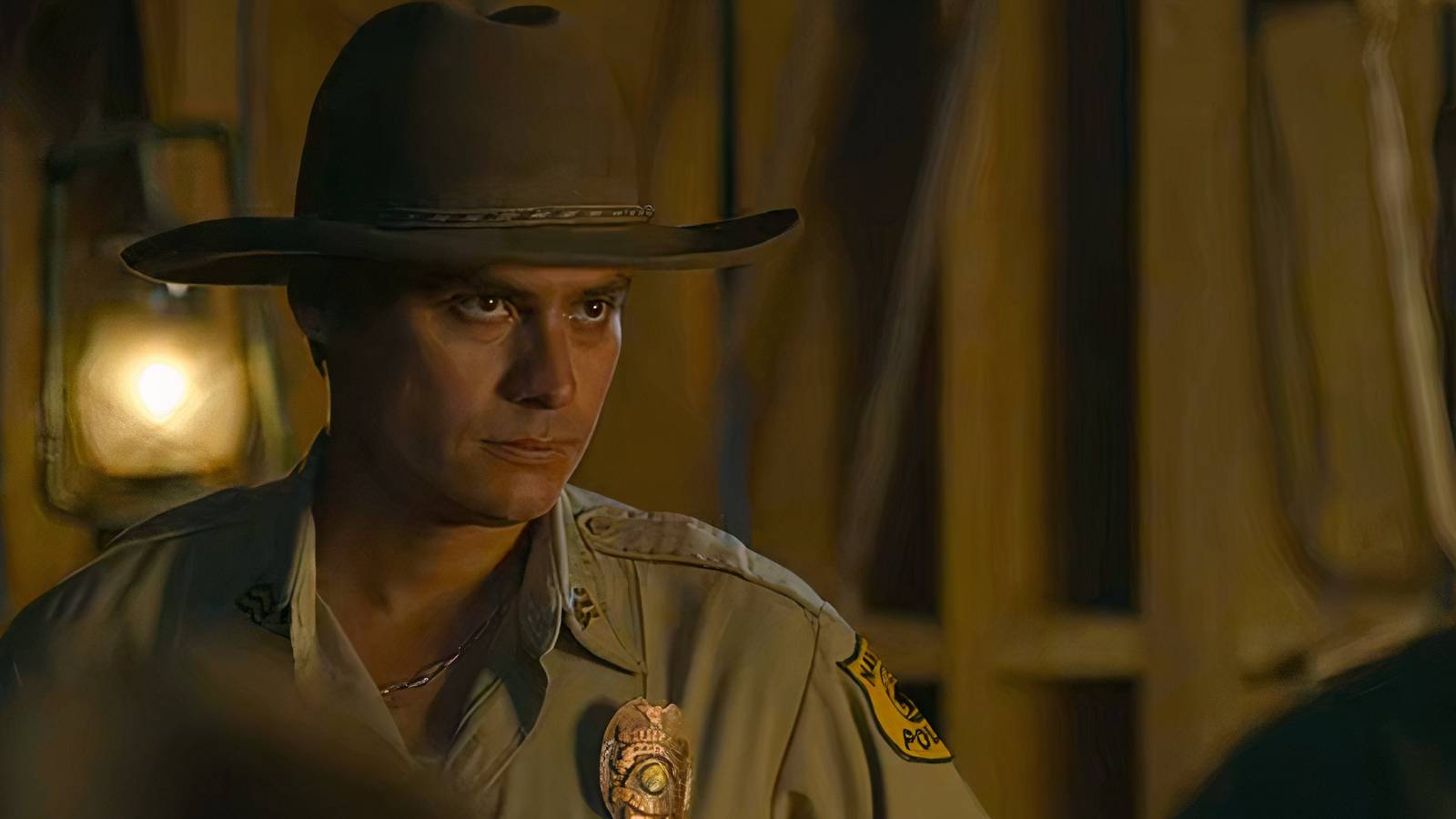
Jim Chee, portrayed by Kiowa Gordon, stands as one of the most complex figures in recent crime drama streaming. What separates Dark Winds from typical detective stories is its honest confrontation with Navajo spiritual heritage, and nowhere does this become more hauntingly tangible than in Chee’s spiral into ghost sickness. After stepping into a death hogan—a sacred Navajo site tied to passing—it’s not just about physical symptoms. Chee’s ordeal fractures any sense of personal or spiritual equanimity, forcing him to navigate the blurred line between tradition and modernity, law and legend.
Ghost Sickness: Not Just Superstition
The show leans deep into Navajo belief systems: disrupting places connected to death can leave one open to supernatural afflictions. Chee’s ghost sickness doesn’t just manifest as hallucinations or fever—it’s a catalyst for an inward reckoning. While it brings classic symptoms, what truly unsettles viewers are the wounds it exposes beneath Chee’s stoic exterior. As Gordon himself explains, this narrative vehicle drags into light all those demons Chee has refused to face—family trauma, scars from a fractured community, and the suffocating expectations his people carry in a rapidly changing world.
The Emotional Earthquake Beneath the Badge
Chee is surrounded by colleagues Bernadette Manuelito and Joe Leaphorn, yet the illness leaves him isolated with his pain. The force of his anger when Joe offers Bernadette a leadership role first—a scene that crackles with tension—finds its root not in jealousy, but in Chee’s profound sense of alienation. It’s not simply an external struggle but an internal clash: the shadow of the ghost sickness feeds off his unresolved anguish, and in turn, his emotional darkness amplifies the haunting symptoms. This is mental health, spiritual crisis, and generational trauma expressed through the tense language of psychological horror. Gordon calls it the ‘yin and yang’, the sickness and the healing locked in a complex dance.
Chee’s Haunted Past: Los Angeles Flashbacks
Later episodes cast Chee into the paler light of Los Angeles, wrenching open memories of his childhood and the violence that tore apart his family. Moving frequently as a child, Chee—much like Gordon in real life—never found stability, always just out of reach of belonging. When trauma is left untreated, returning home does not promise comfort. Chee’s pain is compounded by the memory of a mother who was unable to protect him, a role that was meant to be hers, now turned inside out. The psychological impact is reflected in his behavior, heightening tensions with Bernadette and Joe, fueling hallucinations rooted in past violence, and deepening his sense of loss.
The Future for Jim Chee—and the Ensemble
What’s compelling about Chee’s journey is the refusal to simplify the path forward. Speculation for future seasons hints at even richer adaptations of the novels. There’s real excitement around seeing Chee, not just as a conflicted cop, but potentially examining his own descent should healing fail—perhaps facing addiction, or becoming further estranged from community and tradition before finding a way toward spiritual renewal. Gordon’s insight hints at a deeper arc: Chee may finally accept help, undergo traditional ceremonies, or even apprentice in Navajo healing magic under the guidance of Margaret Cigaret.
Dark Winds continues to break ground by treating mental health, Indigenous identity, and spiritual struggle as inseparable from its genre trappings. Rather than offering clean resolutions, it pushes both its characters and its audience to sit with discomfort—to recognize that the ghosts haunting Chee are as much about the pain of survival as they are about honoring what must never be forgotten.