Maul: Shadow Lord – Turning a Fan-Favorite Villain Into Star Wars’ Focal Point
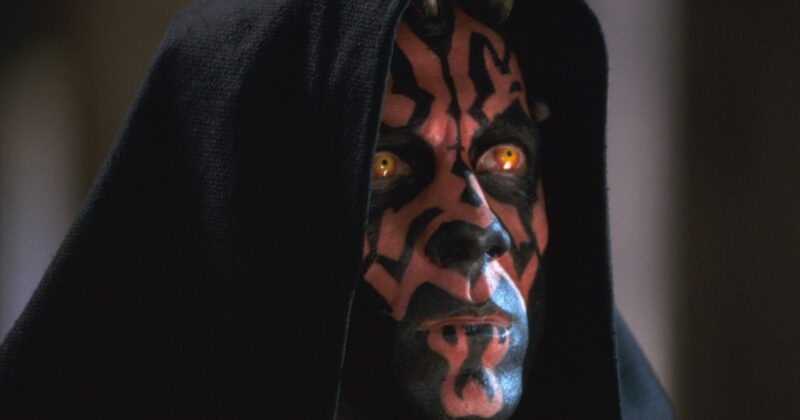
As the Star Wars galaxy prepares for the much-anticipated animated series Maul: Shadow Lord, speculation and excitement are at a fever pitch. This ambitious show promises to take a deeper dive into the enigmatic and fearsome Darth Maul, placing him in the tumultuous years following the Clone Wars—a period marked by the rise of the Galactic Empire and the crumbling of old allegiances. However, the heavy focus on this era reveals not just the saga’s strengths, but also the limitations in its recent storytelling direction.
A New Dawn (Again) for Maul
The trailer for Maul: Shadow Lord hints at a narrative seeded in the chaos of transition: Maul wrestling with Palpatine’s triumph, seeking a purpose in a galaxy that has moved on without him. Chronologically, this positions the series just after the fall of Mandalore and before Maul’s shadowy appearance in Solo, when Crimson Dawn began to reshape the underworld. The connective tissue between Maul’s escape (facilitated by Ahsoka Tano) and his underworld reign offers fertile ground—yet it also signals a familiar Star Wars pattern.
Dave Filoni and Star Wars’ Obsession With the Dark Times
Dave Filoni has established himself as a key creative force, infusing Star Wars with inventiveness and genuine passion since The Clone Wars animated series. Under his guiding hand, beloved characters like Ahsoka emerged, and stories expanded in nuanced ways. But the creative comfort zone is apparent: nearly every high-profile show—The Bad Batch, Rebels, Tales of the Jedi, The Mandalorian, and now Maul: Shadow Lord—unfolds during the oppressive 19-year window known as the «Dark Times.» Even recent video games such as Jedi: Fallen Order and Survivor, or ambitious titles like Star Wars Outlaws, anchor their tales in this era dominated by the Empire’s shadow.
It’s easy to see why: these years are rife with conflict, betrayals, and moral gray areas. Star Wars thrives on rebellion, hope, and the struggle against evil. But with each new project set in this era, fans are beginning to wonder if the galaxy is becoming narratively claustrophobic. The timeline has been explored so thoroughly that the excitement of «what’s next?» risks giving way to «here we go again.»
The Franchise Needs More Than Empire-Era Nostalgia
The Galactic Empire is an icon, but the enduring appeal of Star Wars has always been its ability to present fresh eras and uncharted corners of the universe. The High Republic era, currently explored in books and comics, and the possibilities after the fall of the First Order present incredible narrative potential. Even the timeline’s extremes—ancient Jedi history in the upcoming Dawn of the Jedi or the uncertain future after the Skywalker saga—offer creative freedom unrestrained by established canon. Yet so far, little has been done outside the safe zones linked to the Skywalker and Imperial legacy.
Lucasfilm has announced projects set in new periods, teasing fans with the chance to witness the formation of the Jedi Order, the rise of the Sith, or Rey’s attempt to rebuild what was lost. But without clear steps to actually bring these stories to the screen, even the most tantalizing ideas risk remaining vaporware.
Why Maul (and Filoni) Can’t Quit the Dark Times
Filoni’s attachment to key characters—Maul, Ahsoka, and clones struggling post-Order 66—is understandable. They have become pop culture fixtures, and their arcs resonate on a personal level with fans. Ahsoka’s journey in particular threads through multiple eras, always circling back to the «Dark Times.» Yet, with each new revisit, there’s a growing call for narrative bravery: to let the galaxy breathe in different moments, not just in the shadow of the Empire.
Imagine the potential: a series set in the political intrigue before The Phantom Menace, or one chronicling unexplored rebellion stories during Luke’s time with the Alliance, or even a new vision for the Jedi in the aftermath of the sequels. All are within reach, as the Star Wars universe is more vast and fertile than any single period or theme.
Looking Beyond the Familiar
With Maul: Shadow Lord blazing its path through one of Star Wars’ most over-visited eras, the hope is that its detailed character study can bring something new—even if the timeline feels all too familiar. The success of this bold focus will lie in the ability to create moments that surprise, and perhaps, inspire future creators to chart courses into truly unexplored territory.