David Fincher’s Masterpiece: The Unfulfilled Promise of The Girl with the Dragon Tattoo Sequels
The Vision of David Fincher in Contemporary Cinema
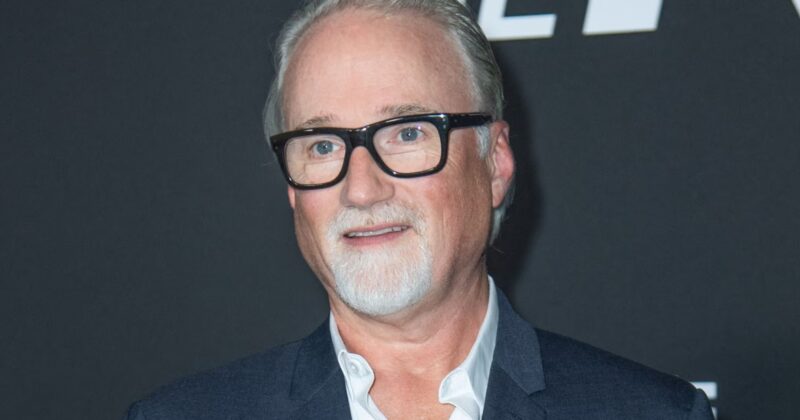
Within modern thriller cinema, few directors evoke as much anticipation and curiosity as David Fincher. Known for his razor-sharp storytelling in acclaimed works like Fight Club, Se7en, and Gone Girl, Fincher’s adaptation of The Girl with the Dragon Tattoo was eagerly awaited by fans and critics alike. By taking on the challenge of reimagining Stieg Larsson’s bestselling novel, previously adapted into an award-winning Swedish trilogy, Fincher brought his unmistakable style and built an intense, atmospheric world filled with darkness, secrets, and complex characters.
Lisbeth Salander: A Modern Icon of Mystery
At the heart of the film is Lisbeth Salander, portrayed in a transformative performance by Rooney Mara. Lisbeth’s evolution is riveting: a socially withdrawn but brilliant hacker, she joins forces with journalist Mikael Blomkvist to unearth the truth behind a decades-old disappearance among Sweden’s elite. Mara’s embodiment of Salander—icy, vulnerable, and fiercely intelligent—earned her critical acclaim and a cascade of award nominations, including Best Actress at both the Oscars and Golden Globes. The film’s emotional gravity hinges on her presence, capturing both her resilience and trauma with unwavering authenticity.
Technical Excellence and Fincher’s Signature Touch
Technically, The Girl with the Dragon Tattoo stands out as a masterclass in Fincher’s filmography. The film’s 158-minute runtime is expertly paced, building relentless tension through stark cinematography, a haunting score, and unflinching attention to detail. It garnered an 86% approval rating on Rotten Tomatoes and five Academy Award nominations—a testament to the combination of gripping narrative and stylistic brilliance that Fincher consistently delivers. The production’s budget reflected its ambitions, with high-end practical effects, meticulous set design, and a chilling atmosphere that remains unmatched even today.
The Unmade Sequels: What Went Wrong?
While the film was a critical triumph and grossed $232 million at the box office, financial expectations weighed heavily. The movie’s sizable budget meant profits appeared more modest than they really were. Nonetheless, less financially successful films have received green lights for multiple sequels. Initially, plans were in motion for Fincher to adapt both The Girl Who Played with Fire and The Girl Who Kicked the Hornet’s Nest—with scripts even slated to be filmed back-to-back. Script difficulties, creative divergences, and calls for a heightened budget stalled the projects. By the time the new scripts were ready, they had significantly drifted from Larsson’s source material, complicating the development further.
Ultimately, studio priorities shifted. Instead of continuing Fincher’s vision, the franchise saw a reboot in the form of The Girl in the Spider’s Web with a new director, cast, and tone. Released to lukewarm reception, the reboot faded quickly, leaving Fincher’s promising arc for Lisbeth unfinished in American cinema.
The Swedish Trilogy: A Complete Tale
Those longing for the full story can still turn to the original Swedish trilogy, where Noomi Rapace became a byword for Lisbeth Salander’s unyielding intelligence and strength. These adaptations captured the entirety of Larsson’s Millennium novels with impressive fidelity and managed to become box office successes on a modest budget, cementing their legacy in European cinema. While passionate debates continue about the merits of the American versus Swedish interpretations, the simple fact that the Swedish films completed the saga gives them a critical edge for fans seeking narrative closure.
Why Fincher’s Version Still Resonates
What makes Fincher’s single entry so memorable is its blend of psychological depth, technical sophistication, and character-driven storytelling. It carved its place in a media landscape fascinated by flawed heroes and high-stakes investigations, influencing both big-screen thrillers and sophisticated streaming series that have followed in its wake. Lisbeth Salander remains a symbol of modern resistance, ingenuity, and justice—her story, as imagined by Fincher, is still one of the best standalone crime thrillers in contemporary film.