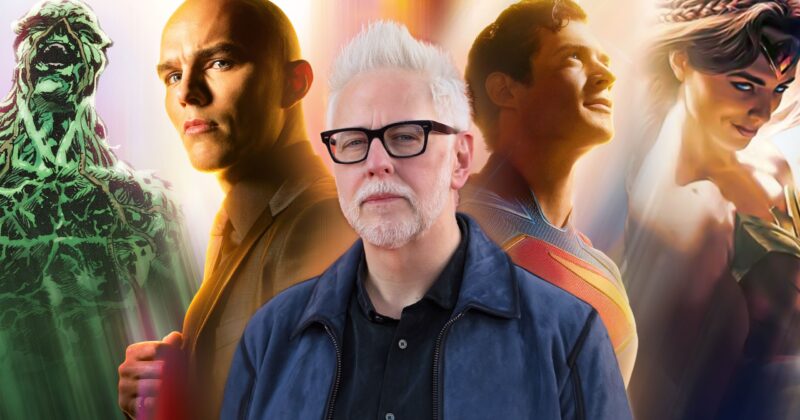
DC’s Next Level: The Visionary Blueprint Reshaping Superhero Storytelling
With its latest publishing initiative, DC Comics has unveiled a narrative overhaul destined to influence not just the comic shelves, but the very architecture of the cinematic universe under James Gunn’s direction. This isn’t the typical line-wide refresh—Next Level is a calculated, interconnected tapestry of bold ideas, tonal risks, and legacy redefinitions, signaling a shift towards long-term, unified storytelling.
Gotham Under Siege: Where Political Power Meets Vigilante Legacy
At the core of Next Level lies an audacious reimagining of Gotham. In ‘Barbara Gordon: Breakout’, the city’s heartbeat shifts from back-alley crime fighting to a brutal institutional thriller. Barbara Gordon, once Batgirl, finds herself incarcerated in a Supermax penitentiary—its iron grip commanded by Commissioner Vandal Savage. This move revolutionizes the Gotham mythos: instead of capes versus crime, we confront the machinery of oppression set against costumed resistance. The creative force of Mariko Tamaki and Amancay Nahuelpan injects psychological depth and sharp political commentary, framing Gotham as a cautionary tale about power run wild.
The tension extends into the event arc ‘Bat Seeds’. Here, figures like Mayor Poison Ivy mark Gotham’s transformation into a battleground of ideologies, not simple morality plays. For James Gunn’s DCU, this style of grounded, socially-charged suspense lays the groundwork for storylines where character and consequence matter more than spectacle alone.
Deadman and the Supernatural Fracture: DC’s Metaphysical Reset
While Gotham simmers, the supernatural corner of the DC Universe spirals toward existential breakdown. W. Maxwell Prince and Martín Morazzo helm a Deadman miniseries that recasts Boston Brand as a cosmic repairman, patching up reality itself as souls twist through chaotic limbo. By positioning the afterlife as brittle infrastructure, the narrative invites horror elements and cosmic stakes rare in superhero tales.
This metaphysical instability feels deeply connected to Gunn’s hallmark: stories where heartfelt emotion and high-stakes weirdness coexist. The blurring of life, death, and resurrection offers the DCU a chance to delve into the price of power and the trauma of rebirth—territory ripe for ambitious cinematic arcs that go beyond traditional heroics.
Youth in Turmoil: Teen Titans and the Legacy of the New Generation
The Next Level timeline isn’t driven solely by icons of the past. The new Teen Titans, launched by Kyle Higgins and Daniele Di Nicuolo, propels the focus firmly onto the next wave of heroes. Red Hood, grappling with his own notoriety, leads a team of young metahumans investigating a conspiracy that underlines generational mistrust and the dangers of a digitally surveilled world. These Titans aren’t mere sidekicks—they are at the center of debates about identity, autonomy, and the blurred line between mentorship and manipulation.
New series teases—from Legion of Super-Heroes to Doom Patrol, Jonah Hex, The Demon, and Batman: Shadow of the Bat—broaden the DC landscape into cosmic, psychedelic, western, and occult frontiers. Instead of isolating genres, Next Level stitches together a vibrant, intergenerational mosaic. This approach directly complements Gunn’s vision, which thrives on comfortable unpredictability, genre shifts, and a sense of cohesive chaos.
Structural Escalation: How Next Level Syncs Comics and Cinema
What elevates Next Level beyond previous reboots is a clear sense of forward propulsion. Key plot moves—Barbara Gordon’s imprisonment, Deadman’s unraveling of reality, the Titans’ generational rifts—aren’t side beats. They’re core to the new status quo, demanding that each corner of the DC Universe continues to evolve, not reset to zero. Gotham’s political drama provides a street-level anchor, metaphysical horror expands the mythic, and youth-driven stories secure the future. This creates a foundation for a cinematic universe that can build, layer, and surprise rather than simply retell.
There’s also balance: Next Level respects legacy while embracing reinvention. Red Hood’s reluctant leadership, Barbara’s transformation, and Deadman’s promotion to cosmic significance show a willingness to push characters forward. The broader scope—with Legion teasing galaxy-spanning storytelling, Doom Patrol hinting at tonal experimentation, and Shadow of the Bat promising psychological dissection—ensures a roadmap that is as dynamic as it is coherent.
Genre Fluidity as Narrative Power
No longer shackled by the limitations of siloed genres, DC’s Next Level is a masterclass in narrative fluidity. Each storyline, whether rooted in gothic urban decay or cosmic absurdity, feels like a vital thread in the same tapestry. This offers Gunn and his cinematic architects a sandbox where psychological thrillers, horror-infused miniseries, coming-of-age sagas, and space operas can coexist—each tested on the page before hitting the screen.
For fans and newcomers alike, the Next Level era is a promise: DC is leaning into complexity, consequence, and connection, crafting a universe where every chapter resonates far beyond its immediate pages or scenes.