DC Universe Shocker: The Villain Who Will End The Flash’s Legacy Revealed

The Flash’s Fate Changes the DC Game
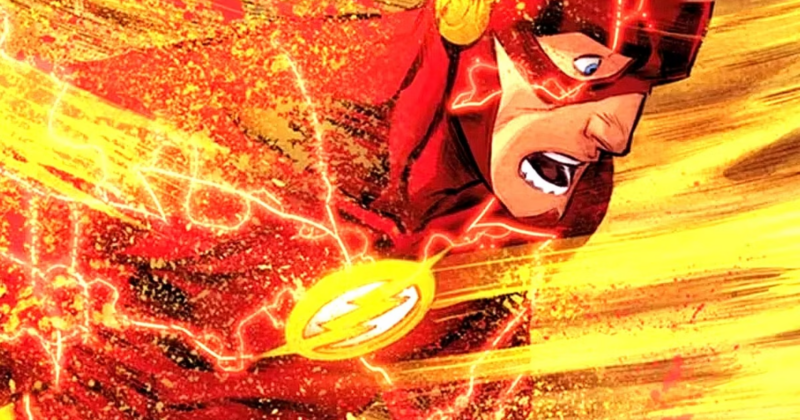
If you’ve followed Barry Allen or Wally West across the Infinite Earths, you know that speed and reinvention define The Flash. For decades, the Scarlet Speedster has cheated death, bent timelines, and embodied hope against even the most cosmic of threats. But with a major revelation in the latest Wonder Woman arc, the final chapter of The Flash’s story isn’t a race — it’s a dark certainty.
The Matriarch’s Rule and DC’s Bleak Vision of Tomorrow
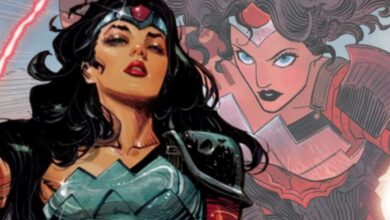
In Wonder Woman #32, readers are hurled into a vision of a warped, dystopian future. This isn’t one of those fleeting alternate realities fans are quick to dismiss. The darkness comes with the weight of inevitability — a rare move for a comic universe that thrives on resets and resurrections. The story introduces a terrifying regime under the iron will of the Matriarch. While her presence dominates, it’s the fate of other iconic heroes that truly twists the knife.
Gorilla Grodd and the Flash: A Brutal End
Of all the shocks, none are more unsettling than what’s reserved for The Flash. Rather than a blaze of sacrificial glory or a twist on the Speed Force, the end comes at the hands of his classic adversary: Gorilla Grodd. In a scene affecting both for its brutality and its total lack of comic-book flashiness, the Flash is not undone by paradox or heroics, but by a savage and overwhelming defeat. Grodd’s soldiers overpower and bludgeon him to death — a fate that delivers both narrative weight and a shakeup of the rules DC fans have come to expect.
The Flash’s Rogues’ Gallery: The Old Guard Returns
It’s worth remembering that Gorilla Grodd is not just another villain. Across DC history, Grodd has tormented multiple Flashes, evolving from mischievous threat to existential nightmare. His psychic abilities, brute strength, and military cunning have made him a standout even in a rogues’ gallery packed with time manipulators and interdimensional threats. Yet, this time, it’s not a telepathic assault or a world-ending scheme — Grodd’s victory is grounding, final, and disturbingly physical. Comic fans who value nuance in villainy will appreciate how this arc deepens Grodd’s infamy.
What This Means for DC’s Storytelling
DC has long been synonymous with infinite possibilities: Flash’s timeline stunts, Crisis events, and universe-wide reboots. The confirmation of an apparently unavoidable demise for an A-list hero like The Flash breaks with tradition. It injects a rare sense of permanent consequence into a universe known for its second chances. Suddenly, the stakes in cross-title stories rise, leaving fans unsure about the futures of even the most time-tested icons.
More Than Just a Shocking Moment
The death of The Flash under Grodd’s command isn’t a cheap twist — it re-frames the conversation about heroism, legacy, and the limits of power. Whereas Superman’s demise has often been mythic and Batman’s has played with symbolism, Flash’s defeat by Grodd is raw, intimate, and absolute. It speaks volumes about the evolution of contemporary comics, tapping into darker storytelling threads reminiscent of modern runs on characters like Daredevil or The Punisher.
Looking Ahead in the DC Universe
This glimpse into a possible — and maybe inevitable — future will have anyone invested in the multiverse watching closely. Will DC’s writers lean into this vision as a true endpoint, or is it merely a harbinger of plot twists to come? As always, the answer will shape the way fans and creators explore themes of legacy, mortality, and what it means to speed toward the edge of destiny.