The Evolution of Crime Cinema
Crime movies have cemented their status as a cornerstone of cinematic storytelling, captivating audiences with tales of moral ambiguity, ambition, and downfall. Emerging alongside Westerns and horror as one of the earliest successful genres, crime films have not only mirrored societal anxieties but also influenced pop culture, law enforcement portrayals, and even language itself.
1930s: The Rise of the Gangster Archetype
The shadowy world of organized crime took center stage in the early talkies, and no actor left a greater mark than James Cagney. In The Public Enemy, Cagney’s Tom Powers embodies the American antihero—ruthless, ambitious, and ultimately self-destructive. This film defined how generations would perceive gangsters in fiction. Its climactic final scene, an unforgettable blend of vulnerability and menace, helped establish the gangster movie’s emotional depth beyond just bullets and bravado.
1940s: The Noir Revolution
The 1940s introduced a new flavor: film noir, an aesthetic born from German Expressionism and American cynicism. Double Indemnity, directed by Billy Wilder, is a masterclass in fatalism and forbidden desire. Starring Fred MacMurray and Barbara Stanwyck, the film explores insurance fraud and murder with razor-sharp dialogue and flawless tension. Its legacy is seen in countless neo-noir homages, influencing everything from the Coen Brothers to modern prestige television.
1950s: The Anatomy of the Heist
The heist genre matured with The Asphalt Jungle. Here, crime is meticulously planned, fraught with mistrust, and subject to the unruly chaos of human nature. The film follows criminal mastermind Erwin ‘Doc’ Riedenschneider, fresh out of prison and orchestrating one last major score. With beautifully flawed characters and a structure that would become a template for future classics like «Heat» or «Ocean’s Eleven,» The Asphalt Jungle remains a core reference for anyone interested in the mechanics of cinematic crime and consequence.
1960s: Social Tensions and Procedural Drama
In a decade shaped by social change, In the Heat of the Night tackled racial prejudice head-on without sacrificing suspense. Sidney Poitier’s portrayal of Virgil Tibbs, a skilled detective from Philadelphia thrust into a racist Deep South investigation, resonates due to its collision of intellect, identity, and justice. The electrifying interplay with Rod Steiger’s Chief Gillespie balances grit with genuine human transformation, and the film’s multiple Academy Awards reflect its technical and narrative achievement.
1970s: The Mafia Epic Reimagined
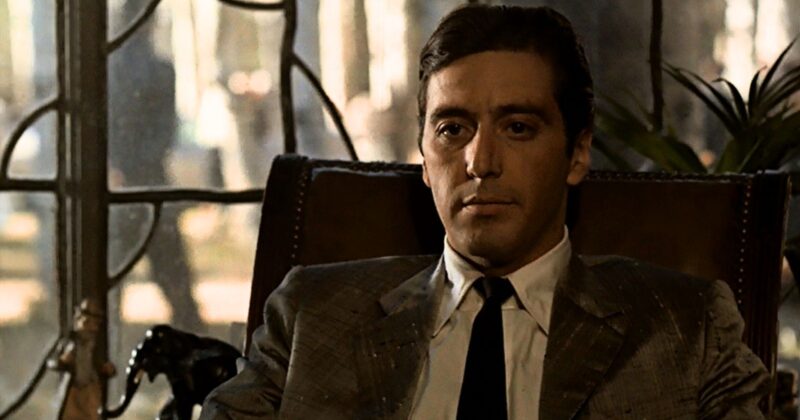
The Godfather: Part II doesn’t just continue the saga; it elevates the genre. Francis Ford Coppola crafts a parallel narrative—following Michael Corleone’s chilling ascent and young Vito Corleone’s rise—bridging classic Hollywood with a new wave of complex, morally ambiguous storytelling. Robert De Niro’s performance as young Vito is iconic, cementing the film’s reputation not only as a critical darling but as a cultural phenomenon that still frames discussions about power, loyalty, and heritage.
1980s: Excess, Ambition, and Tragedy
Brian De Palma’s Scarface reinvents the immigrant gangster myth for an era of neon and violence. Al Pacino’s Tony Montana stands as one of pop culture’s most quoted antiheroes, embodying the dangerous pursuit of the American Dream. Its impact is felt far beyond cinema—referenced in gaming, hip-hop, and even fashion. Initially divisive, Scarface has since become a touchstone for how movies can capture and exaggerate contemporary anxieties about crime, ambition, and identity.
1990s: The Art of the Heist Revisited
Crime cinema in the 1990s reexamined realism and relationships. Heat, directed by Michael Mann, sets Al Pacino and Robert De Niro on opposite sides of the law in intertwined cat-and-mouse narratives. The iconic bank robbery sequence—meticulously staged, hyper-realistic, and almost documentarian in its execution—has set the standard for cinematic action. Its psychological depth and commitment to showing every detail of both the criminals’ planning and the police’s pursuit underscore the genre’s ability to reflect complex realities without sacrificing entertainment.
An Ongoing Legacy
Across the decades, crime movies have served as mirrors to society—debating justice, questioning morality, and pushing technical boundaries. Their continued evolution ensures that every new generation finds fresh reasons to explore the underworld, both on screen and in the modern lore of pop culture.