The Shadows Beneath Demon Slayer’s Stunning Animation
Few modern anime have taken the world by storm like Demon Slayer, combining breathtaking animation, powerful action sequences, and storylines that strike directly at the heart. Yet, beneath its visually dazzling surface, this series is woven together by some disturbingly dark realities that elevate its impact—and sometimes make each episode a test of emotional endurance.
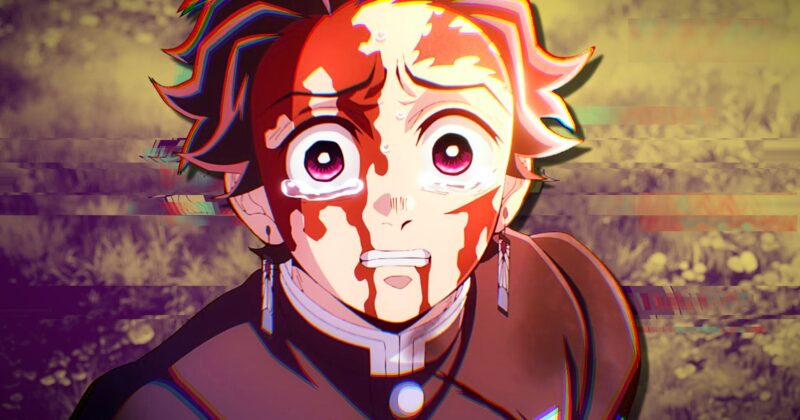
Tanjiro Kamado: Shouldering Trauma at Just 13
It’s easy to forget amid the stunning swordplay that Tanjiro Kamado began his journey at only 13 years old. Alongside his sister Nezuko, Tanjiro was not only the eldest child but also the sole survivor charged with protecting what remained of his family. The sheer enormity of his burden—losing loved ones in an instant and immediately facing a world crawling with demons—embodies a level of loss and trauma most could not imagine. Demon Slayer doesn’t spare its young characters from horror, stripping many of their innocence and childhood in a world where monsters are all too real.
The Final Selection: A Harsh Rite of Passage
The entry exam known as The Final Selection isn’t just a test—it’s a barely disguised ritual of child sacrifice. Aspiring Demon Slayers are isolated for seven days on a mountain overrun with demons, with little hope of outside intervention or escape. The statistics are staggering: 13 of mentor Sakonji Urokodaki’s disciples alone met their end during these trials, many of them still children. Fascinatingly, the Demon Slayer Corps continues this tradition, seemingly unmoved by the loss of young lives—a grim contrast to their usual role as protectors of humanity.
The Tragic Childhood of Obanai Iguro
Obanai Iguro, the reserved Serpent Hashira, has a backstory even more disturbing than most. Born as the first male in generations in a family devoted to an ancient serpent demon, Obanai was kept captive and fattened up as a human sacrifice. His very family left him scarred for life—both physically, by slitting his mouth from ear to ear, and emotionally, by their betrayal. When Obanai finally bolted, the ensuing carnage left a near-total obliteration of his clan and a crushing burden of guilt he would carry forward into his fight against demons.
Sanemi Shinazugawa: Forced to Kill His Own Mother
Sanemi, the Wind Hashira, was changed forever on the night his mother transformed into a demon and slaughtered nearly all of her children. Defending his younger brother Genya, Sanemi had no choice but to kill his mother with his own hands. Genya’s misunderstanding—believing his brother a murderer—fractured their relationship for years and left Sanemi gruff, distant, and haunted by loss. These layers of familial tragedy add heartbreaking depth to the already complex cast.
Gyutaro and Daki: Siblings Bound by Misery
Gyutaro and Daki’s backstory is a brutal reminder of the poverty and cruelty that predates even their lives as demons. As children, they endured relentless abuse and squalor, with Gyutaro left to fight for scraps and his sister Ume (later Daki) suffering torture for trying to protect him. The trauma was cyclical—Gyutaro had to helplessly witness her brutalization as a human, and again as demons, he experienced her loss one more time. These intertwined fates set a tragic standard for the series’ depiction of monstrous transformation and human suffering.
The Ubuyashiki Curse: Childhood Consumed by Destiny
The head of the Demon Slayer Corps, Kagaya Ubuyashiki, and his lineage bear a curse that ensures no male heir lives beyond 30. This cruel fate means the Ubuyashiki children are forced to accept enormous responsibilities at impossibly young ages. Kagaya himself was married and starting a family at 13, while his son Kiriya assumed leadership at just eight. In the war against Muzan, the price of leadership is the permanent loss of a normal childhood.
The Deadly Price of the Demon Slayer Mark
The much-coveted Demon Slayer Mark promises immense power—granting unmatched speed, strength, and battle intuition. However, its activation comes with a fatal catch: every Demon Slayer to bear the mark is destined to die before reaching the age of 25. A cruel paradox, the mark is both blessing and curse, dooming its bearers to short, intense lives in return for their fleeting surge of power. This fatalism reasserts the manga’s readiness to embed darkness even within its moments of triumph.
No Easy Answers, Just Emotional Impact
If Demon Slayer resonates so deeply with fans, it’s as much for these painful, real moments as for its beautiful animation or intense fights. Its willingness to confront trauma, grief, and the cruelty of fate marks it as a series that treats its coming-of-age cast—and its audience—with uncommon narrative respect. The story reminds us that heroism often emerges from tragedy, and sometimes, the real monsters aren’t just the ones in the shadows—but the systems and traumas that create them.