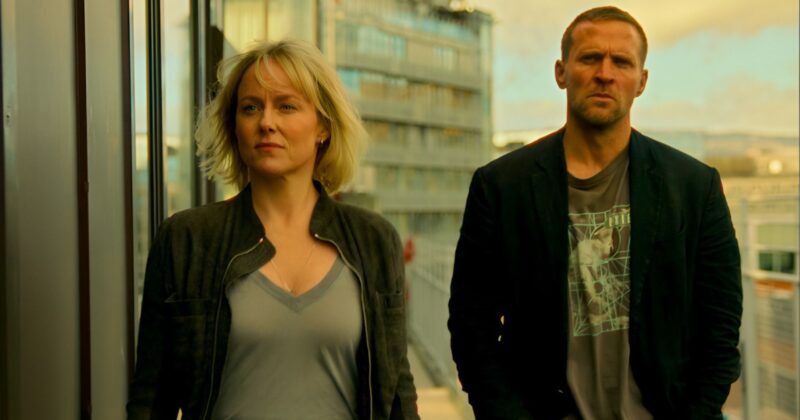
Detective Hole: Netflix’s Crime Thriller Redefines The Genre After A Notorious Flop

Detective Hole: The Small-Screen Resurrection of Jo Nesbø’s Crime Icon
Netflix has unleashed a new crime sensation with Detective Hole, a 9-part thriller that has managed what few adaptations achieve—a perfect 100% Rotten Tomatoes score on debut. This explosive reception comes after the infamous disappointment of the earlier film adaptation, a project that struggled to connect with audiences and critics alike, leaving a bruising 7% approval on the same platform. Now, with an approach that leans into the original source material, Netflix is not just redeeming Jo Nesbø’s franchise—it’s rewriting the rules for crime series adaptations.
A New Benchmark For Literary Adaptations
Fans of crime fiction will immediately recognize Harry Hole, the brilliant yet self-destructive Oslo detective created by best-selling Norwegian author Jo Nesbø. Previously adapted into a high-profile movie anchored by Michael Fassbender, «The Snowman» boasted a star-studded cast with talents like Rebecca Ferguson and J.K. Simmons, but despite its pedigree, the film was panned for muddled storytelling and a lack of faithfulness to Nesbø’s taut, character-driven novels. Its failure threatened to taint the reputation of the beloved book series for good.
With detective genres enjoying a golden age on streaming platforms, the move to television has given the franchise room to breathe. Crucially, this new adaptation sees Nesbø himself as the series writer, ensuring a narrative depth and authenticity the previous adaptation sorely lacked. The platform’s willingness to invest in nine full episodes has allowed for the slow-burn tension and psychological complexity that fans of the novels crave. This makes Detective Hole not just a comeback, but a lesson in how adaptations should be approached in the era of prestige TV.
The Cast and Craft Behind Detective Hole’s Success
Leading man Tobias Santelmann delivers a magnetic performance as Harry Hole, embodying the obsessive intelligence and personal turmoil that define the character. Joining him is a powerhouse ensemble—Joel Kinnaman, Ellen Helinder, Anders Baasmo, and Peter Stormare, bringing gravitas to a gripping Oslo set threatened by a string of ritualistic murders. Directed by Øystein Karlsen and Anna Zackrisson, with production under the watchful eye of Nesbø himself and seasoned executive producers, the series claims all the craft and vision needed to make a splash not just commercially, but as a new high watermark for the genre.
Why Streaming Works Where Theatrical Adaptations Fall Short
The redemption arc of Detective Hole on Netflix follows a notable trend: contemporary television adaptations are repeatedly proving themselves superior to their cinematic cousins in the crime thriller space. Beyond Nesbø’s creation, consider the recent success stories of Prime Video’s Reacher and Alex Cross. Both franchises struggled to gain cultural traction in big-screen releases, partly due to the restrictions of the format—condensing intricate plots and arcs into a two-hour window rarely does justice to characters that have evolved over dozens of novels.
By expanding stories into serialized formats, modern adaptations can fully develop their protagonists, explore secondary characters, and immerse audiences in the atmospheric dread and procedural intrigue that define the very best crime stories. This evolution isn’t coincidence—it’s a result of studios and creators recognizing that depth and deliberate pacing win out over spectacle and compression, especially with properties as revered as Nesbø’s Harry Hole.
What Sets Detective Hole Apart
As Detective Hole continues its impressive run, critics and fans have noted just how carefully it navigates the tricky territory of adaptation. The show’s devotion to the books, meticulous Norwegian atmosphere, and willingness to embrace morally ambiguous storytelling marks it as a beacon for future projects in the crime and suspense fields. The show’s approach is not only a reclamation of Harry Hole’s legacy but a signal that streaming-first adaptations may be the ultimate medium for deep, serialized storytelling—even for books long deemed “unfilmable.”
With a rare perfect score and all signs pointing towards a new era for literary crime franchises, Detective Hole proves that, sometimes, the best redemption stories are the ones that unfold on screen.