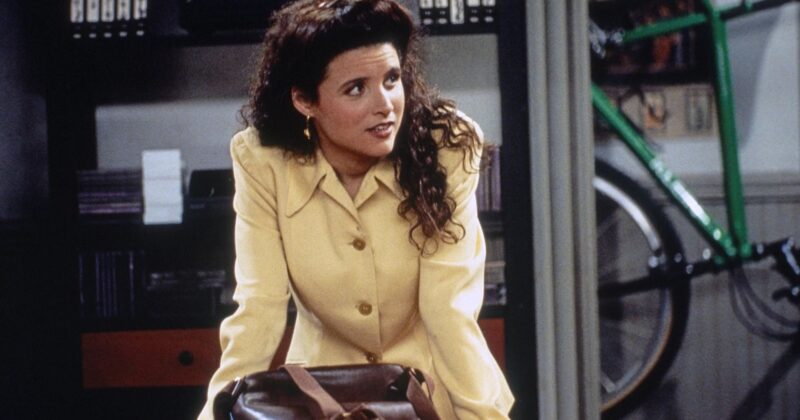
Elaine Benes: The Iconic Seinfeld Line That Still Defines TV Comedy

The Charm and Chaos of Elaine Benes
Among the realms of comedy television, few characters carry the invincible blend of confidence and chaos like Elaine Benes from Seinfeld. Brought to life by the remarkable Julia Louis-Dreyfus, Elaine stands out not just as the only major female lead in the legendary quartet, but as a character brimming with comedic prowess, unmatched timing, and a vibrant complexity that has cemented her place in pop culture.
Elaine’s uniqueness lies in her contradictions. She’s just as egotistical and self-serving as her male co-stars, but she pairs her flaws with undeniable intelligence and social savviness. Unlike George’s endless neuroses or Kramer’s unfiltered eccentricities, Elaine floats between chaos and composure—always a step from stumbling, but all the more endearing because of it. She is sharp, fiercely independent, and refreshingly unapologetic for her imperfections.
A Legendary Line Born From Authenticity
Of all the moments that define Elaine, there’s one line that tells you everything you need to know about her, and it happens in the opening episode of season 6, ‘The Chaperone’.
After a catastrophic run—including losing her job thanks to a sticky candy incident and being evicted from her apartment—Elaine faces an intimidating job interview at the prestigious Doubleday publishing house. The position she’s vying for once belonged to none other than Jackie Kennedy Onassis. Her prospective boss gushes about Jackie’s legendary ‘grace’, an ideal that visibly rubs Elaine the wrong way.
With impeccable comedic timing, Elaine responds: ‘I don’t have grace, I don’t want grace, I don’t even say grace, okay?’ It’s a single sentence, but it distills everything that makes her character revolutionary—not just in Seinfeld’s world, but across the sitcom genre.
Why This Line Is a Sitcom Masterpiece
This wasn’t just another punchline. Anyone familiar with the razor-sharp writing of Seinfeld knows every main character revels in gracelessness. Where sitcoms often designed female leads to be the sensibly balanced ones, Elaine’s blunt honesty and refusal to feign virtue broke the rules. Their dysfunctions aren’t just quirks—they are philosophical stances. For Elaine, to deny having ‘grace’ isn’t an apology; it’s an assertion of self-knowledge, a comic mirror for anyone who’s ever fumbled through social expectations.
It’s the transparency of this moment that makes it iconic. Elaine doesn’t pander or grovel; she assesses herself in real-time, shares the awkward truth, and stands behind it with a sardonic smile. She knows the interview is lost, but she’s lost on her own terms. It’s that blend of candor and comedic aloofness that audiences, critics, and actors alike still celebrate today.
The Pop Culture Ripple of Elaine’s Attitude
The influence of this scene—and Elaine as a whole—has rippled far beyond the 90s sitcom era. Modern comedies like Unbreakable Kimmy Schmidt, Curb Your Enthusiasm, and 30 Rock owe a debt to Seinfeld’s cast of charismatic misfits—none more so than Elaine, whose willingness to embrace her faults paved the way for a new generation of female leads who trade perfection for authenticity and punchline-driven honesty.
The resonance of her famous ‘grace’ line is still found today in memes, viral listicles, and debates on internet forums about the most memorable sitcom quotes of all time. Elaine’s courage to admit—aloud, on network TV—that she lacks a supposedly essential virtue, struck a chord that still rings. In an era when being genuine is often a rare commodity, Elaine Benes remains the hilarious, flawed, and relatable icon who said what everyone else was too afraid to admit.
Seinfeld: A Showcase of Perfectly Flawed Characters
No character in Seinfeld ever aspired to be a role model, and that’s exactly their power. From Jerry’s detached sarcasm, George’s elaborate self-sabotage, to Kramer’s blissful obliviousness, the series turned the absence of traditional sitcom “niceness” into something authentically funny and fresh. Elaine’s legendary declaration about grace isn’t just a punchline—it’s a spirit that runs through every scene, every awkward encounter, every madcap plan gone wrong. That’s what keeps the show, and particularly Louis-Dreyfus’ performance, pulsing through streaming queues and social feeds, never losing its ability to make us laugh or wince in recognition.
Today, as new generations discover and dissect Seinfeld on streaming platforms, Elaine Benes’ fearless honesty—embodied in that unforgettable line—stands as a timeless testament to the show’s irreverence and enduring brilliance.