Elizabeth Banks’ The Miniature Wife: A Smart, Sci-Fi Take on Marriage and Shrinking Tech Beyond Disney’s Classic

A Fresh Spin on Sci-Fi Comedy with a Relatable Core
Elizabeth Banks has masterfully brought to life a sci-fi comedy that goes deeper than the familiar trope of people shrinking to miniature size. Her series The Miniature Wife, based on Manuel Gonzales’ critically praised short story, explores the complexities of marriage against the backdrop of extraordinary sci-fi technology. Unlike the lighthearted Disney movie that inspired inevitable comparisons, this show ventures boldly into emotional territory, crafting a narrative that blends humor, drama, and futuristic science.
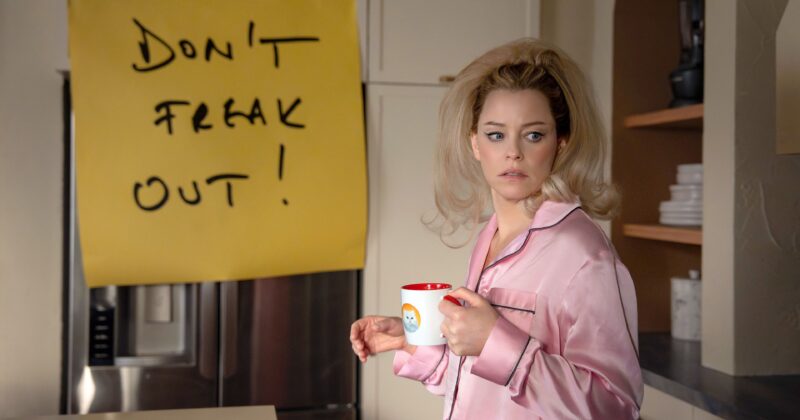
At the heart of The Miniature Wife are Lindy and Les Littlejohn, portrayed with nuance by Banks herself and Matthew Macfadyen. Lindy is an acclaimed professor and Pulitzer Prize-winning author, while Les is a dedicated scientist developing a shrinking device that can miniaturize both animate and inanimate objects. Their marriage begins to fracture under the pressures of career success and personal disconnect. The story truly kicks off when an accident involving Les’ shrinking machine unexpectedly reduces Lindy to a mere six inches tall.
Exploring Power Dynamics and Emotional Stakes Through Sci-Fi
Rather than relying on the spectacle of shrinking alone, the series uses it as a metaphor to investigate power imbalances within relationships. Lindy’s miniature stature forces both characters—and viewers—to rethink support, vulnerability, and respect. The Miniature Wife smartly positions the bizarre situation as an opportunity for the characters to confront their issues and, perhaps, rebuild their marriage.
The creative minds behind the show, Jennifer Ames and Steve Turner, took care to differentiate this adult narrative from kid-centric films like Honey, I Shrunk the Kids. While the shrinking premise is reminiscent of Disney’s $227 million classic, Ames and Turner drew inspiration from darker and more mature studio comedies from the 1980s and ’90s. Among their influences are War of the Roses, Big, Groundhog Day, Money Pit, Romancing the Stone, and Dirty Rotten Scoundrels. Their goal was to capture a balance between genuine emotional depth and comedic moments driven by the absurdity of shrinking.
Production and Practical Effects: Crafting a Miniature World
The production design deserves special mention. The scale models and oversized props that bring the shrunken world to life are both playful and technically impressive. Highlights include a massive 30-foot plunger that quickly became a fan favorite on set, and a six-foot-long pair of tweezers, requiring two prop specialists just to maneuver it realistically.
Jennifer Ames also notes the attention to detail in sets like the gigantic birdcage, complete with bird droppings on the bottom—adding a touch of authentic grittiness to the surreal experience. Even smaller moments, such as Lindy receiving a tiny travel-size toothpaste and a real Chanel lipstick—fully functional and used in scenes—underscore the thoughtful blend of realism and whimsy that defines the series.
Performance Challenges and Behind-the-Scenes Innovation
One of the more fascinating production challenges was how Banks and Macfadyen filmed scenes separately, often acting opposite dolls or placeholders to simulate size differences. The actors relied heavily on references from each other’s performances to create convincing emotional exchanges. Macfadyen explains that this required careful coordination with the camera crew and visual effects teams to nail perspective and timing.
Both leads and the production staff improved their approach as filming progressed, mastering the complex choreography of interacting with miniaturized environments and props. Elizabeth Banks recalls a particularly striking moment when she witnessed Macfadyen’s darker interpretation of a scene involving the release of a cat—an intense contrast to what she initially imagined—highlighting the series’ emotional range.
Ensemble Cast and Critical Acclaim
The Miniature Wife also boasts a compelling supporting cast featuring diverse talents such as O-T Fagbenle (The Handmaid’s Tale), Zoe Lister-Jones (Beau is Afraid), Sofia Rosinsky (Death and Other Details), and Sian Clifford (Fleabag) alongside comedians like Aasif Mandvi and Ronny Chieng from The Daily Show. This ensemble contributes to the show’s dynamic storytelling, blending dramatic and comedic elements seamlessly.
Critics have responded positively to the series, praising its originality, layered storytelling, and clever reimagining of a familiar sci-fi scenario. The show’s Rotten Tomatoes rating reflects a strong reception, signaling its success in capturing audiences hungry for content that challenges genre expectations while delivering heartfelt narratives.