Essential Game Moments the God of War TV Series Must Capture

Bringing the Epic Saga of Kratos to Life on TV
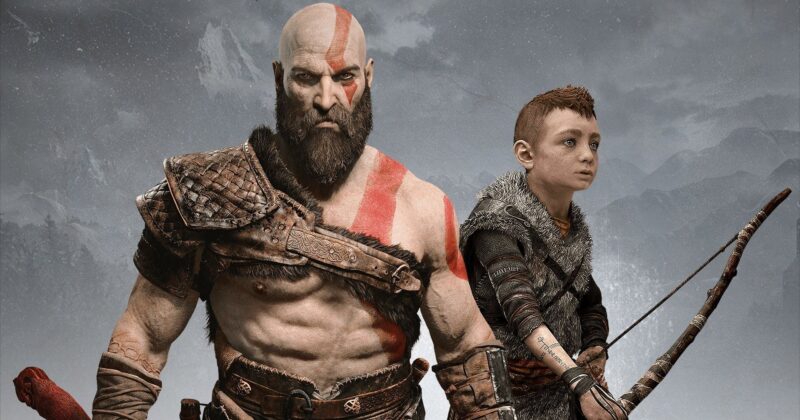
The highly anticipated God of War live-action series on Prime Video ventures into an arena where few adaptations have triumphed—bringing the visceral, mythic story of Kratos and Atreus to the small screen without losing the depth that made the PlayStation franchise iconic. While not all video game adaptations need to mirror the source material exactly, narrative-driven experiences like God of War are defined by their compelling character journeys and intricate plots. Translating this emotional weight is non-negotiable if the series wants to resonate with both dedicated fans and new audiences alike.
The Tragic Origin: Kratos’ Haunting Past
No adaptation of Kratos’ journey can succeed without revisiting the heart-wrenching tragedy that defines him. In flashbacks to his Greek-era past, Kratos’ infamous act—unknowingly slaughtering his own family under Ares’ command—becomes the bedrock of his character. This moment is not just gruesome backstory; it shapes every choice he makes and imbues his relationship with Atreus with both guilt and hope. Seeing these flashbacks will anchor viewers in the psychological complexity that separates Kratos from the pantheon of typical video game protagonists.
‘I Am Your Monster No Longer’: The Confrontation with Athena
God of War’s narrative power peaks with intimate, emotionally charged exchanges. One unforgettable scene unfolds as Kratos, haunted by Athena, faces the crushing reality of his monstrous past. Athena’s words—‘You cannot change; you will always be a monster’—are met with Kratos’ weary but resolute reply: ‘I know, but I am your monster no longer.’ The subtlety and gravity in this declaration underscore his wrestle with identity, redemption, and agency. Preserving this moment in the adaptation, with its original dialogue intact, is imperative. Christopher Judge’s performance set a new standard, and viewers will expect the live-action series to deliver the same intensity.
The Battle Against Baldur—Setting Ragnarök in Motion
The climactic face-off where Kratos kills Baldur is far more than a visually spectacular boss fight. Serving as a pivotal turning point, this encounter magnifies the moral evolution of Kratos. After protecting Freya from Baldur’s wrath, Kratos proclaims, ‘The cycle ends here. We must be better than this,’ before cementing his resolve and ending Baldur. These words, simple but loaded, encapsulate the saga’s meditation on the cycle of violence, responsibility, and personal legacy, while also launching the prophecy of Ragnarök and shifting Freya from a steadfast ally to a formidable antagonist. The TV adaptation must honor both the action spectacle and the narrative consequences this scene sets in motion.
The Revelation of Atreus’ Heritage
One of the franchise’s most surprising plot twists comes when Kratos and Atreus reach the legendary peak of Jötunheim and uncover the true identity of Atreus’ mother—revealed to be the giant Laufey, known to her kin as Loki. This revelation not only reframes Atreus’ destiny but weaves Norse and Greek mythologies with exhilarating finesse. The name ‘Loki’ unlocks new narrative possibilities, as Atreus finds himself caught between ancient prophecies and the threat of vengeful Asgardians. Bringing this twist to life on television promises to reward attentive viewers and revolutionize how family legacies are handled in mythic storytelling.
Kratos Reveals Their True Nature
The dynamic between Kratos and Atreus is the emotional heart of both the newer God of War games and the upcoming series. The tension erupts when Kratos, after painful hesitation, finally confesses to Atreus that they are gods—a secret kept to protect his son, yet one that only brings suffering through ignorance. This moment isn’t just a plot device; it’s a nuanced metaphor about parental honesty, identity, and the burdens of legacy. As soon as the truth is out, Atreus’ behavior changes, bringing new challenges for Kratos and opening the door to conflicts both internal and external. The adaptation must carefully explore these complexities if it hopes to retain the raw, authentic relationship that defines the franchise.
Prime Video’s God of War series faces the colossal task of balancing visual spectacle with intensely personal storytelling. Success hinges on fearless writing, powerful performances, and an unwavering dedication to the game’s most iconic scenes. As the Norse saga of Kratos and Atreus unfolds for a new audience, capturing these essential moments will be the key to forging a TV epic worthy of its legendary source material.