Every Grant Gustin Flash Suit Ranked: Evolution and Tech Behind the Scarlet Speedster’s Look

The Evolution of Barry Allen’s Flash Suits on The CW
In the world of superhero television, few series have left a visual and emotional impact like The Flash. Barry Allen’s journey was as much about mastering his speed as it was about finding the perfect superhero suit. Over numerous seasons, fans witnessed the transformation of his attire from early prototypes to an almost mythic final design. Each iteration brought something new not just in aesthetics, but in real tech upgrades, narrative symbolism, and nods to DC’s comic legacy.
Where It Began: The Training Suit
Every hero starts somewhere. For Barry Allen, his first attempt at a superhero ensemble was more functional than flashy. The prototype included a basic red leotard, matching helmet, and protective sports gear—hardly practical for secret identities or inspiring a city. This initial suit, crafted by Cisco and Caitlin, provided just enough protection for high-speed testing, but little else. It’s an instant reminder of those early comic book panels where superheroes looked more like daredevils than icons—a raw starting point, quickly outclassed by everything that followed.
The Streak Suit: Foundation for a Hero
Upgrading from raw necessity, Barry’s first official suit combined leather with flexible fabric, balancing mobility with basic protection. This is the costume fans saw throughout the first season—a look that made Central City’s citizens dub him ‘The Streak’ before he truly became The Flash. The iconic lightning bolt was ever-present, and the suit became a canvas for future enhancements. Technical upgrades included embedded communication links and thermal protections, essential for battling meta-humans with abilities that stretched beyond basic crime-fighting. The iterative design here reflects a superhero in progress, both literally and thematically.
The White Emblem Era: Subtle but Powerful Updates
Seasons two and three took Barry’s outfit another step forward. Darkness settled into the red palette, lending the suit a deeper, cinematic tone better suited for live-action drama. Leather elements were more pronounced, and gold accents stood out vividly. The most striking update was the shift to a white lightning emblem, instantly recognizable on screen. This wasn’t just a visual shift; it was a statement of identity—a clear, unambiguous signal that Barry Allen was stepping into his role as The Flash in both confidence and purpose. For many, this iteration defined the character for years to come.
Radical Fabric Shifts: Form-Fitting Superhero Style
Season five brought a leap in costume design, ditching traditional leather for a sleek, stretchy material. The result? A suit that looked straight out of the comics—tight, dynamic, and modern. Most gold trims disappeared, replaced by concentrated flashes on the arms and belt area. However, the trade-off came with the controversial decision to remove the chin strap, leaving the cowl less structured. Despite Grant Gustin’s natural charisma, this style change did not convince every fan. Still, it represented a bold experiment in aligning with the classic comic visuals—and demonstrated the willingness of the production to adapt and iterate in bold directions.
All-Leather Muscle: A Heroic Silhouette
In season four, the suit grew bulkier and more muscular, accentuating Barry’s heroism with sculpted abs, pronounced shoulder lines, and oversized belt buckle. This was the definitive leather incarnation—its tactile details grounding The Flash firmly in the real world. Its complexity was undeniable, with enough visual weight to match the booming threats of the season. Yet some felt the added heroic ‘muscle’ was a bit too on-the-nose, bordering on theatrical. Still, for those episodes, Central City’s protector looked every bit the classic superhero straddling both worlds: comic pages and prime-time drama.
The Final Suit: The Perfect Blend
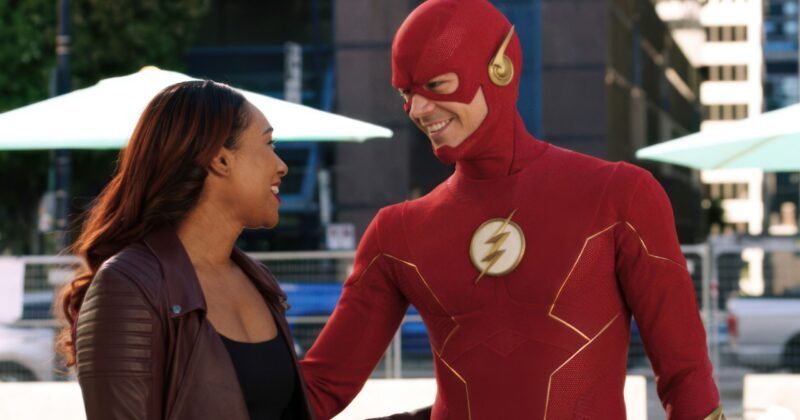
By the final seasons, Barry donned what many consider the ultimate Flash suit—a masterful union of past elements. The instantly iconic lightning emblem, dual-tone fabrics, strategic gold details, and refined fit created not only the definitive TV Flash, but one that pays homage to decades of comic history. All while ensuring practicality for high-speed stunts, expressive for the character, and timeless as a pop culture symbol.
Behind the Scenes: Technology, Symbolism, and Fandom
Every Flash suit tells a story beyond fabric and color: Cisco’s inventions, narrative missions, and subtle tributes to DC Comics. From adaptive nanotech-style features to nods at classic graphic novels, the live-action Flash stands alongside legends like Iron Man and Batman in the minds of fans—reminding us that every great hero’s legacy is stitched together, suit by suit, across TV, comics, and fandom.