Exit 8: How Brilliant Game Mechanics Make for Unforgettable Horror Cinema

When Horror Cinema Goes Interactive: Decoding Exit 8
In an era where adaptations flood both the big and small screen, Exit 8 distinguishes itself with a rare feat: it faithfully translates the immersive tension and mechanics of a video game into a nerve-wracking cinematic experience. This Japanese thriller doesn’t just borrow the broad strokes of its pixel-born inspiration—it dives deeper, integrating the very structure and pace gamers recognize from the source material, swapping out button mashing for white-knuckle suspense.
Infinite Loops, Real Stakes: The Power of Repetition
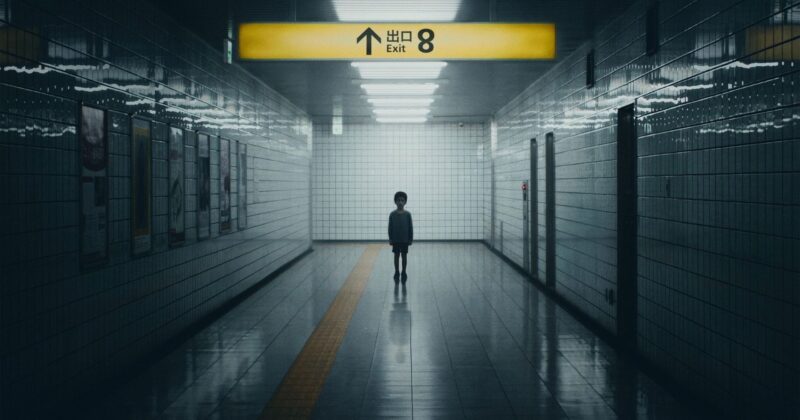
At its core, Exit 8 traps its nameless protagonist and a young boy within a never-ending train station loop. The only escape? Spotting minute anomalies each cycle—a direct nod to the game’s core mechanic where progress isn’t earned by brute force but by relentless observation and memory. For any fan of psychological horror in gaming, this setup sparks instant recognition, reminiscent of iconic loops like those in P.T. or INSIDE. Each failure resets the world, each breakthrough is cause for relief—and mounting dread.
What makes this adaptation particularly noteworthy is how it harnesses this loop structure. The experience mirrors the frustration and gradual mastery familiar to anyone who’s ever retried a level or puzzle, but here, it’s imbued with cinematic stakes. While game avatars are often left intentionally blank, Exit 8 crafts its main character, the Lost Man, as a fully realized figure—anxious, resourceful, sometimes desperate—blurring the lines between cinematic empathy and the universal experience of struggling through a challenge.
The Smiling Man: Cinematic Fail States Cranked to Maximum
Horror games have long used failure—those infamous game over screens— to instill fear of the unknown. Exit 8 manifests this anxiety on-screen with the Walk Man, a chillingly static figure who has lost himself to the loop. Through a harrowing flashback, viewers witness the potential cost of a single misstep: total erasure. For audiences, the terror isn’t just in jump scares or monsters, but in the existential threat of being trapped and forgotten—a theme that’s resonated in games like Returnal or even the rogue-likes such as The Binding of Isaac.
This direct import of game sensibilities into the film’s DNA elevates the anxiety. Stakes are constantly reinforced with each failed attempt to break free—subtle visual cues, mounting audio tension, tighter framing. The loop mechanic, often awkward or artificial in adaptations, here feels organic and terrifying.
A Triumph of Game Design Philosophy in Film
Where many movie adaptations simply drape cinematic narrative over a thin skeleton of source material, Exit 8 revels in the language of interactive media. Instead of forcing the narrative into predictable frameworks, the film’s creators internalize principles of game design. The feeling of being watched, the dread of repetition, the triumph of finally noticing something previously overlooked—it all translates with uncanny precision.
For viewers who’ve grown up cycling through checkpoints or stealthily creeping past pixelated monsters, Exit 8 is an unexpected treat. It’s not just referential; it’s participatory, folding players-turned-viewers into its sinister world. Under the guidance of director Genki Kawamura and a cast led by Kazunari Ninomiya, this adaptation is both a love letter to video games and a leap forward for transmedia horror storytelling. As interactive fiction and cinema continue to converge, Exit 8 sets a high bar for future adaptations, merging the best of both worlds in pure, chilling symbiosis.