Exploring Spider-Noir: Classic Spider-Man Stories Perfect for Live-Action Adaptation Beyond the Movies

The Unique Opportunity of Spider-Noir for Untold Spider-Man Stories
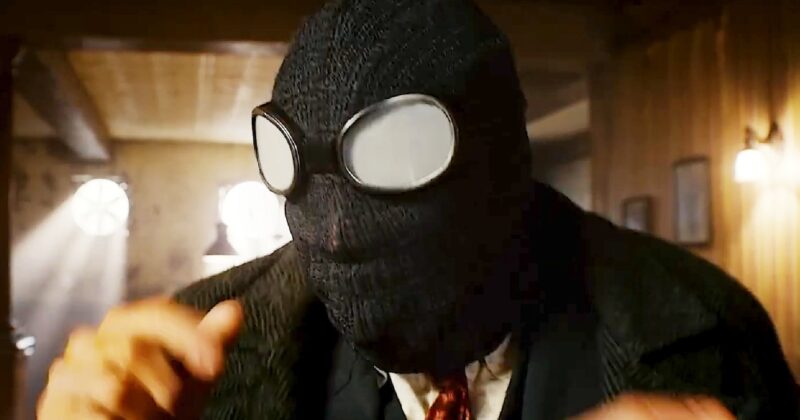
The Marvel Universe is a sprawling mosaic of interconnected tales and iconic characters, yet many remarkable Spider-Man storylines remain unseen on the silver screen. The upcoming Spider-Noir live-action series on Prime Video, headlined by Nicolas Cage, offers a refreshing gateway to explore Spider-Man’s darker and more atmospheric narratives inspired by 1940s noir and pulp fiction. This show thrives on a gritty, shadowed aesthetic, reimagining familiar characters and villains in ways that the traditional blockbuster format rarely tackles.
While the Spider-Man movies tend to focus on high-octane action and mainstream villains, Spider-Noir can delve into nuanced stories that blend crime intrigue, moral ambiguity, and psychological depth, perfect for serialized television. Its period setting and emphasis on street-level crime make it an ideal venue to adapt classic Spider-Man arcs that are otherwise unlikely to appear in contemporary films.
The Lifeline Tablet and the Legacy of Silvermane
In a captivating arc from the early 1970s, Spider-Man finds himself embroiled in the mystery of the Lifeline Tablet—a mythical artifact rumored to hold the secret to eternal youth. This storyline pits him against formidable foes such as the Kingpin and a desperate elderly crime lord, Silvermane, who seeks to reclaim his vitality at any cost.
Since Silvermane is set to debut in Spider-Noir, this arc could serve as a major storyline, perfectly aligning with the show’s brooding tone and mafia-infused narrative. The ensuing gang wars and the hunt for the tablet fit impeccably within the noir framework, evoking a Maltese Falcon vibe with layered crime intrigue and morally complex characters.
Exploring Darker Villains: Vermin and the Depths of Human Savagery
One key advantage of a TV series format over a blockbuster film is the ability to develop lesser-known, psychologically intense villains like Vermin. Introduced in the early ’80s, Vermin is a terrifying creature—part man, part rat—whose savage nature eclipses even the Lizard’s monstrous tendencies. His brutal actions and almost feral instincts present opportunities to explore horror elements that mainstream movies shy away from.
In Spider-Noir, such a character can be integrated into a prolonged murder mystery, with Ben Reilly navigating a dark investigation that culminates in a chilling confrontation. This enriches the show’s narrative complexity and allows a slow-burn build-up of tension, something a two-hour film rarely affords.
Gang Wars Between Doctor Octopus and Hammerhead: Crime Underworld on a Gritty Canvas
The violent underbelly of New York City crime gangs, famously depicted in 1970s comics through the rivalry between Doctor Octopus and Hammerhead, provides fertile ground for Spider-Noir’s noir sensibilities. Hammerhead, with his distinct 1920s gangster flair and peculiar head shape, is often considered too outlandish for conventional films—yet the series’ historical context and tone could embrace his uniqueness and make him a compelling antagonist.
This rivalry not only deepens the organized crime narrative but blends perfectly with the show’s planned focus on assassination attempts and power struggles. Given the inclusion of villains like Black Cat, Electro, and Sandman, the stage is set for a gripping war that tests Ben Reilly’s mettle against a network of criminal interests.
Political Corruption and the Disruptor: A Tale of Hidden Agendas
The 1972 story arc featuring the Disruptor shines a spotlight on political corruption—a theme evergreen in noir genres. Richard Raleigh, a corrupt politician running for mayor, hides a secret identity as a masked supervillain, manipulating public trust through a monstrous enforcer called the Smasher.
Spider-Noir’s street-level storytelling could adapt this power struggle without the supervillain mask, focusing instead on the sinister reality of corrupt city officials orchestrating crime from the shadows. This approach would enhance the realism and tension, providing intricate layers to the city’s dark undercurrents rather than relying solely on traditional superhero spectacle.
Molten Man’s Tragic Fate: Humanizing the Monster
A rare glimpse into the tragedy behind villainy emerges from Spider-Man’s battles with the Molten Man, who is plagued by a fatal condition caused by his powers. His rapid deterioration and apparent death in the comics offer a bittersweet narrative that reminds audiences of Spider-Man’s complex world, where not every battle ends in triumph.
Spider-Noir’s bleak, atmospheric backdrop is well suited to magnify Molten Man’s tragic story, enabling a deeper exploration of themes like loss, mortality, and the consequences of power. This emotionally charged adaptation would add weight to the series, showcasing the protagonist’s limitations and humanity.
Tombstone and Robbie Robertson: An Intricate Web of Secrets
The intertwining histories of Tombstone and Robbie Robertson introduce a compelling dynamic rarely touched upon in mainstream Spider-Man media. Jonesing on their childhood connection and a murder secret adds layers of tension and moral conflict, perfect for television’s slow-burn storytelling style.
With both characters confirmed for Spider-Noir, the series can explore a layered subplot about loyalty, justice, and the burden of truth. While Tombstone enters the broader Marvel Cinematic Universe, this particular arc feels tailor-made for the show’s intimate and character-driven narrative, where Robbie’s internal struggle and Tombstone’s menace can shine.
Altogether, Spider-Noir stands as a promising avenue to bring these richly textured, often overlooked Spider-Man stories to life. Its unique noir aesthetic, period setting, and commitment to nuanced storytelling create the perfect environment to elevate characters and narratives that cinema is unlikely to explore fully. For fans craving Spider-Man tales with depth, darkness, and grit, this series promises a bold and compelling chapter in the wall-crawler’s legacy.