Faces of Death: A Meta-Horror Thriller Digging Into the Dark Corners of the Internet
The New Era of Shock: Faces of Death Reimagined
Once shrouded in controversy, the original Faces of Death became infamous for its documentary-style depiction of the uncanny and the grotesque. Now, a new chapter takes on the legacy with a sharp meta twist, reflecting on how violence—and our numbness to it—has evolved in the age of social media.
Content Moderation and the Blurring Lines of Virtual Horror
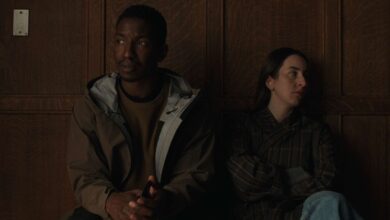
The story follows Margot (Barbie Ferreira), a content moderator working at Kino, a platform reminiscent of TikTok. Her daily grind isn’t just about flagging graphic videos—it’s about navigating a space where viral trends thrive on outrage and horror, while genuine educational content often gets buried. With NDAs in place and a red warning light signaling disturbing content, Margot’s reality blurs with the manufactured chaos she reviews. The mundane apathy of her coworkers, portrayed with deadpan brilliance—especially in scenes with Charli XCX—highlights just how normalized shock and violence have become in the digital landscape.
Connecting the Past and Present of Cinematic Fear
Faces of Death, under Daniel Goldhaber’s direction, moves away from the original’s raw transgressive energy and opts for a self-aware spirit, closer in tone to Wes Craven’s razor-sharp meta commentaries. The clever re-framing places Margot’s unraveling sanity at the story’s heart, all while those around her barely flinch at the most disturbing clips. Her journey into the infamous original film mirrors a wider cultural descent, where even the most extreme content quickly becomes another piece of fleeting entertainment.
Performances That Anchor the Carnage
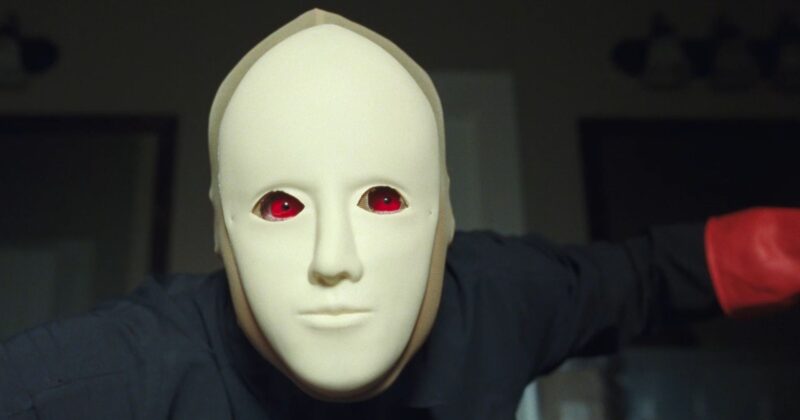
Barbie Ferreira delivers a tense, nuanced performance as Margot, capturing the emotional toll of wading through digital darkness. Dacre Montgomery is magnetic, fully embodying Arthur, a killer desperate for online notoriety. His scenes peppered with bitter humor—like clapping back at Reddit users while weaving threats into his comments—are a highlight, offering some of the film’s most chilling and darkly comic moments.
When Online Horror Loses Its Edge
The meta-sequel excels in atmosphere and performances but doesn’t quite reach the visceral depths of its predecessor. For all the talk of viral bans and graphic warnings, the film plays things safer than one might expect. Its core, a well-constructed thriller, is laden with commentary on the spectacle of internet infamy in the 2020s but trades the originals’ raw shock for satire and genre introspection.
A Thriller for the Social Media Generation
What sets this reinterpretation apart is its relentless focus on the commodification of horror. Every grisly clue Margot uncovers is as much about internet trends as it is about solving the mystery. The confrontation between Margot and Arthur draws directly from a lineage of horror films like Scream, making the story feel as though it’s passing through layers of online performance rather than delving into the primal fear of death itself.
Faces of Death Hits Theatres With a Modern Reflection on Horror
Faces of Death isn’t just a film for long-time horror fans—it’s a commentary on our digital lives, our need for thrills, and the chilling effect of repeated exposure. The story closes with a messy, bloody clash that reflects the chaos at the heart of today’s online culture, leaving viewers to ponder where we draw the line between spectacle and reality.