Fan-Made PC Ports Revive The Legend Of Zelda: Twilight Princess With Stunning Upgrades

Legend of Zelda Expands Horizons Beyond Nintendo Consoles
The Legend of Zelda franchise, a cornerstone of Nintendo’s gaming legacy, continues to captivate audiences worldwide not only through official releases but also through the passionate efforts of its fan community. Following the success of the latest official title The Legend of Zelda: Tears of the Kingdom, two unofficial yet ambitious PC ports are now emerging, promising to bring the legendary adventure of Twilight Princess to a new generation of players on a completely different platform.
The PC Port Revolution: Courage Reborn and Dusk
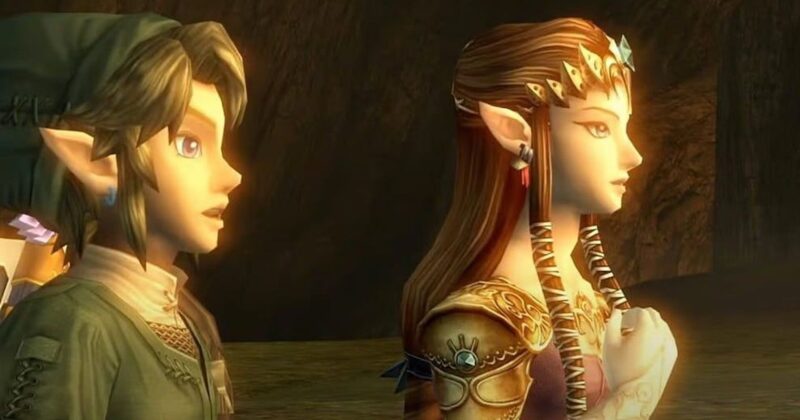
Usually closely guarded for Nintendo’s consoles, Twilight Princess is receiving two distinct fan-developed native ports aimed at leveraging modern PC capabilities. The first, Courage Reborn, wowed audiences with its teaser trailer showcasing gameplay at a buttery smooth 60 frames per second, a notable upgrade from the original’s locked 30 FPS. However, this project remains in early development stages. The dedicated team is still fine-tuning the performance enhancements and has not yet set a public release date. The technical challenges are significant; optimizing a game designed for the GameCube and Wii onto PC architecture requires deep engine work and rigorous testing to maintain the experience’s integrity.
The second port, Dusk, offers a more immediately accessible version of Twilight Princess for PC users, currently capped at 30 FPS but with promises of unlocking higher frame rates in future updates. Released recently for PC gamers to try, Dusk provides a glimpse into how fan dedication can revive classic games with modern tweaks, making the timeless world of Hyrule accessible beyond Nintendo platforms.
Why These Ports Matter
These fan projects highlight a growing trend within the gaming community: bridging platform exclusivity gaps through creative software engineering and passion. Twilight Princess is an iconic title that introduced many to a darker, more immersive Zelda experience, with advanced graphics for its time and an emotionally gripping narrative. By bringing it to PC, fans ensure that players who may not own Nintendo consoles can still experience this masterpiece, possibly with enhanced visuals, controls adapted for keyboard and mouse, and customizable settings that modern gamers expect.
Such efforts also reflect a deeper appreciation for game preservation and fan-driven innovation. While Nintendo has yet to officially embrace PC ports of the Zelda franchise, these projects serve as a grassroots testament to the enduring allure of Link’s adventures. They also push the boundaries of what fan communities can achieve, often inspiring future official remasters or ports.
Reviving Zelda’s Most Notorious Titles: Faces of Evil and Wand of Gamelon
Outside of Twilight Princess, fan developers are turning their attention to the more obscure and infamous chapters of the Zelda universe. The infamous Faces of Evil and Wand of Gamelon, originally released on the Philips CD-i and widely criticized for their gameplay and animation, are undergoing community remasters. Although these games carry a legacy marked by secondhand embarrassment, the remastered versions aim to polish the visual and control elements while preserving the quirky charm that has made them cult classics. This resurrection offers a fascinating chance to experience rare Zelda tales with a fresh coat of paint and modern compatibility.
The Legend of Zelda Fandom: A Powerful Force Driving Innovation
With the upcoming live-action Zelda movie further fueling interest in the franchise, fans’ initiatives to develop high-quality PC ports and remasters come at an exciting time. These community-driven projects demonstrate not just nostalgia but also technical expertise and creative vision. Developers behind ports like Courage Reborn and Dusk are pushing the boundaries of game modding, showing what is possible even without official backing from major studios.
For PC gamers and Zelda enthusiasts alike, these ports represent the growth of a vibrant ecosystem where classic games can be rediscovered and enhanced. By subscribing to specialized coverage and engaging with the fan communities, players can stay updated on these developments, gain insights into the technical achievements, and appreciate the cultural significance behind every frame and texture brought to life outside Nintendo’s closed ecosystem.