‘Fantasy Life’: The Struggle for Coherence in Modern Indie Comedy
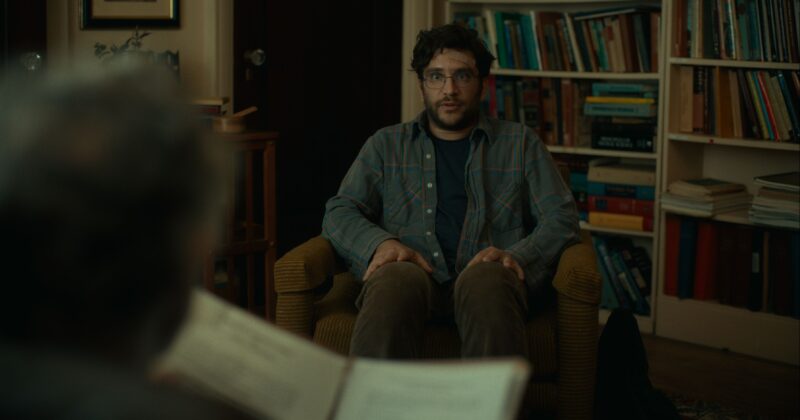
Few indie films arrive with the blend of promise and confusion quite like ‘Fantasy Life’. Written, directed, and led by Matthew Shear, the movie opens with a flurry of comic missteps as Sam, the all-too-relatable protagonist, is beset by awkwardness and public panic. That lived-in anxiety—conveyed through Shear’s tremulous performance—signals a self-awareness and comedic rhythm reminiscent of the best character-driven storytelling in recent dramedies. Early scenes allow both Shear and his cast to oscillate between deeper character work and authentic laughs, hinting at something genuinely special.
The Center Cannot Hold: Structure Versus Connection
While the film launches with comedic confidence, it soon hands over momentum to Amanda Peet’s Dianne, a character whose emotional territory is markedly different from Sam’s. This shift in perspective might have offered narrative richness, but instead it splinters the film’s tone. Shear, as a filmmaker, seemingly steps away just as the story demands tighter guidance. The result is a movie built out of moments—some genuinely funny, others craving emotional weight—with insufficient connective tissue to create a lasting impact.
Spotlight on Amanda Peet: A Subtle, Resonant Performance
If there’s a single, consistent reason to see ‘Fantasy Life’, it’s Amanda Peet. Her turn as Dianne—a former Hollywood star now wrestling with her mental health and the prospect of an industry comeback—delivers the film’s most consistent emotional register. While both Dianne and Sam navigate personal struggles and professional uncertainty, their actual connection sometimes feels like it’s happening underwater, muffled by time jumps and elided family dynamics. Peet brings nuance to every scene, but it’s hard not to notice how the other threads in the film remain underdeveloped.
Time Jumps and Off-Screen Moments: A Double-Edged Sword
One of the boldest yet most problematic aspects of ‘Fantasy Life’ is its episodic structure. Whole months vanish with speedy title cards, and we often learn about dramatic events—like Sam’s second panic attack—only in retrospect. This approach has the virtue of echoing Sam’s tendency to fixate on fleeting troubles, yet it unintentionally robs key moments of their emotional potential. For viewers, it’s tricky to invest in relationships or anxieties that the movie itself seems eager to move beyond.
Family Dynamics and Missing Details
Even as Sam winds up repeatedly caring for Dianne’s daughters—secured through a chance offer by his therapist’s wife (played with comedic grace by Andrea Martin)—the relationships with the children slip into the background. Instead of becoming sources for either comic friction or true connection, these supporting characters remain pensively peripheral. The film is more interested in Sam’s budding infatuation with Dianne and his awkward place in her world, yet without tangible interactions, his emotional stakes struggle to register as urgent or meaningful.
Craft in Pieces: Sharp Writing, Fleeting Impact
‘Fantasy Life’ does offer sharp, poignant lines delivered with impeccable timing—particularly in a late-stage confrontation where Peet’s performance shines—but viewers may be left wishing for more of these moments to anchor the rest. Even seasoned supporting actors like Judd Hirsch and Bob Balaban inject wisdom and off-kilter humor, demonstrating what a cohesive ensemble might have achieved.
Cultural Context and Indie Filmmaking Trends
This kind of fragmented, time-hopping narrative isn’t new in the world of indie cinema. Recent standouts like ‘The Worst Person in the World’ or ‘Frances Ha’ also play with experimental structure and subtle character beats, but they rarely let emotional context fall to the wayside. ‘Fantasy Life’ falls into the common indie trap: a willingness to trust in affect and dialogue without fully exploring the connective relationships that give those elements their punch.
Who Will Enjoy ‘Fantasy Life’?
For dedicated fans of character-driven comedies that blend awkwardness and heart—think ‘Curb Your Enthusiasm’ without the cynicism or ‘Better Things’ with an indie flair—there is much to admire here, especially in Peet’s performance and Shear’s observational humor. But viewers craving a stickier, more memorable emotional journey may find this comedy inventively honest, but ultimately fleeting, like small joys half-remembered days later.