Firefly: The Series That Redefined the Cult Classic
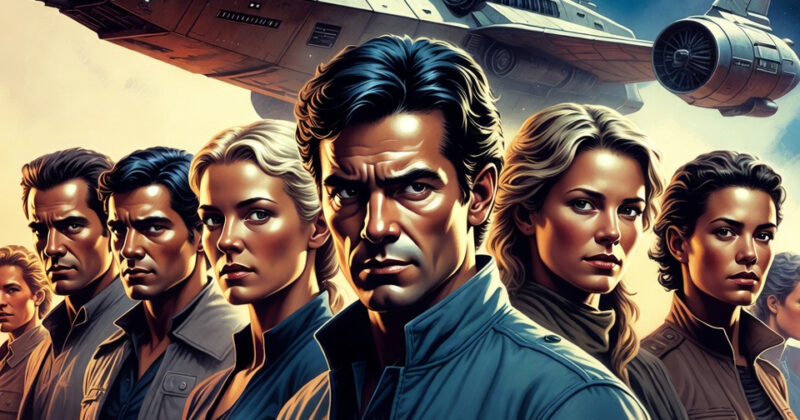
It’s rare for a television show with barely more than a dozen episodes to soar past the boundaries of cancellation into the hearts of viewers worldwide, but Firefly remains a titan within the sci-fi genre. Created by Joss Whedon, Firefly seamlessly fuses space opera and western adventure, crafting a unique universe aboard the Serenity with Captain Malcolm Reynolds and his misfit crew. This hybrid genre, fresh character work, and lived-in universe transcended the show’s initial brief run, becoming a case study in how cult classics are born and sustained through passionate communities rather than network approval.
The Unlikely Beginnings and Network Warmongering
After the gritty supernatural adventures of Buffy the Vampire Slayer, Whedon set his sights on outer space. Firefly landed on Fox with high expectations, introducing one of science fiction’s most beloved starships: the Serenity. Yet, network mishaps plagued the show’s debut—most infamously, Fox aired episodes out of their intended order, scrambling plot progression and confounding new viewers. Despite glowing critical feedback and an ensemble cast that felt instantly iconic—led by Nathan Fillion as Mal Reynolds, Gina Torres as Zoe, and Alan Tudyk as Wash—the show was abruptly canceled after only 11 episodes aired from its total 14. Fans saw this as an injustice, fueling the foundation for one of the digital era’s most fervent fandoms.
Firefly’s Cast: Legends Born in Just One Season
The chemistry between cast members set Firefly apart. The dynamic between Mal and his authoritative second-in-command Zoe, the roguish humor of Jayne Cobb (Adam Baldwin), Kaylee’s (Jewel Staite) heartwarming optimism, and Inara Serra’s (Morena Baccarin) enigmatic allure anchored each episode. Even amid the sci-fi grandeur, moments of vulnerability, loyalty, and rebellion resonated deeper than surface-level adventure. Sean Maher and Summer Glau brought the Shakespearean sibling dynamic of Simon and River Tam, with River’s arc forming the emotional spine that would carry Firefly fans into further adaptations.
From Cancellation to Icon: The Firefly Phenomenon
Post-cancellation, Firefly’s story didn’t end. The DVD release became a cult lightning rod, breaking sales records and sparking online crusades that united fans across emerging internet communities. It was one of the first major television series where digital fandom—via forums, fan fiction, and convention cosplay—kept the narrative alive and relevant. The movement ultimately culminated in Serenity, a feature film continuation that reassembled the core cast to deliver critical closure and visual spectacle, earning respect in both niche fan circles and critical reviews. Importantly, Serenity’s existence reflected both the failure of traditional metrics to measure a show’s impact, and the rising power of fan-driven demand, a shift that would later dominate the streaming era.
Firefly’s Enduring Impact and the Locked Door of Reboots
Firefly’s reputation only solidified over years as newer generations rediscovered the series on streaming platforms and via festival circuit screenings. The longing for a reboot has never truly faded, while also highlighting one of modern pop culture’s biggest dilemmas: the difficulty of recapturing lightning in a bottle. Attempts to reignite the series have faltered mainly due to the importance of the original cast—and shifting industry landscapes. With public controversies affecting creator involvement and the stars now attached to major franchises or recurring TV roles, a true Firefly revival seems less possible than ever, regardless of Hollywood’s love for mining nostalgia-rich IPs.
Why Firefly Still Matters in 2026
Firefly’s legacy isn’t measured just by ratings or box office returns but in its characters’ staying power and the undying devotion of a fanbase that refuses to let go. It changed how sci-fi television is consumed, championing character-driven storytelling and audience participation before streaming services made such tactics mainstream. Firefly’s fandom persists—through art, conventions, and online communities—cementing Serenity’s crew as fixtures of pop culture’s ongoing conversation about found family, freedom, and defiance against the impossible.
The Cast of Firefly
- Nathan Fillion as Malcolm Reynolds
- Gina Torres as Zoë Washburne
- Alan Tudyk as Hoban ‘Wash’ Washburne
- Morena Baccarin as Inara Serra
- Adam Baldwin as Jayne Cobb
- Jewel Staite as Kaywinnet Lee ‘Kaylee’ Frye
- Sean Maher as Simon Tam
- Summer Glau as River Tam
- Ron Glass as Derrial Book