Five Nights at Freddy’s 2 Surprises Fans with a Villain Reminiscent of a Cult Horror Icon

Michael Afton: From Silent Hero to Cinematic Madman
The Five Nights at Freddy’s franchise has built a massive global fanbase with its unique blend of survival horror and twisted animatronics, but the latest film entry took a bold twist that is sparking vibrant debate in the fandom. In this new installment, viewers meet Michael Afton—the elusive son of the infamous William Afton—and what unfolds on screen sharply contrasts his established video game persona.
In the original games, Michael is a tragically silent hero. Driven by guilt and a desire to right his father’s monstrous legacy, he works from the shadows, seeking redemption as he lays restless souls to peace. This understated complexity carved him into a fan favorite, a beacon of quiet resilience amid chaos. However, the film adaptation offers a radical reinterpretation: Michael now chooses a dark path, seemingly intent on continuing his father’s legacy as a new breed of serial killer. This dramatic pivot has split long-time followers, some embracing the narrative risk, others calling it sacrilege to the established lore.
A Performance That Channels Cult Classic Energy
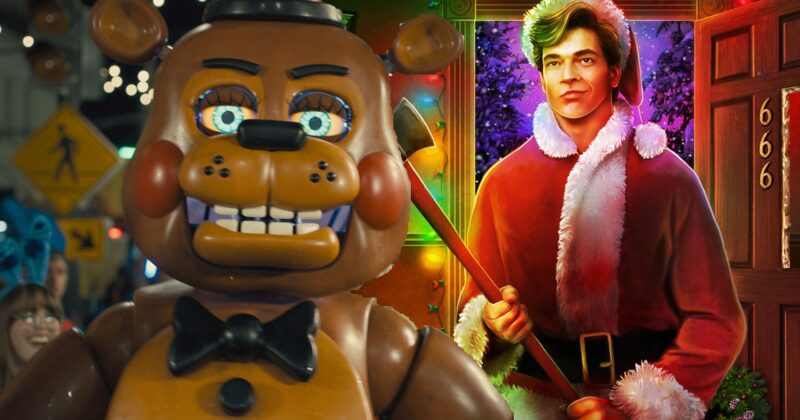
But it’s Freddy Carter’s portrayal of Michael Afton that has critics and horror aficionados buzzing. Carter dials the character’s villainy up to eleven, delivering lines with a flamboyant bravado and contorting every facial muscle for maximum impact. It’s not just menacing; it’s unexpectedly camp, recalling the glory days of over-the-top ’80s slashers. No comparison is more apt than Ricky Caldwell from Silent Night, Deadly Night Part 2—a film that achieved cult status more from its wild performances than its narrative finesse.
Eric Freeman’s Ricky is infamous for his unhinged antics, particularly the much-memed neighborhood rampage punctuated by the iconic, deliriously delivered line, “Garbage Day!” Carter seems to draw directly from this school of villainy, highlighted by performative eye-brow arching and devilish grins that transform sinister into slapstick. Here, facial expressions aren’t just an embellishment—they’re a central feature, adding a touch of chaotic humor to haunting sequences.
The Unlikely Charm of an Over-the-Top Antagonist
This unexpected approach has energized Five Nights at Freddy’s 2. While Josh Hutcherson and Elizabeth Lail ground the film with more measured, emotional performances, Carter’s Michael injects a tonal surprise. The contrast breathes much-needed levity into a story otherwise steeped in anxiety and dread. Even fans critical of the lore changes find themselves appreciating Carter’s magnetic presence, which at moments feels just as much a satire of horror conventions as an earnest villain turn.
If the film’s cryptic ending is any indication—Michael escaping into the night, badge left abandoned—the stage is set for even more unbridled performances in potential sequels. Should this version of Michael return, leaning further into this larger-than-life style could cement him as a new horror icon, operating with the same playful menace as legendary antagonists of horror’s golden era.
A Refreshing Shake-Up in Modern Horror Franchises
It’s rare for an established franchise to veer so boldly from its digital roots. While the adaptation decision remains polarizing, there’s no denying that this Michael Afton, reminiscent of Ricky’s cult charm, provides a singular viewing experience amid contemporary horror’s often-stoic landscape. Instead of following the path most traveled, Five Nights at Freddy’s 2 embraces a blend of suspense and humor. In doing so, it offers horror fans a fresh type of antagonist—one as likely to elicit a laugh as a shiver.