The Most Forgettable Flash Villains and Why They Should Disappear
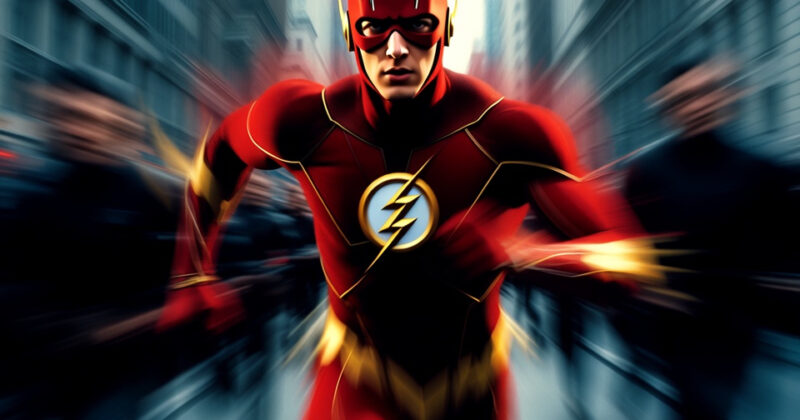
For decades, The Flash has been one of DC’s most storied superheroes, with a rogues’ gallery boasting icons like Reverse-Flash, Captain Cold, and the ever-bold Mirror Master. These foes have defined eras and left lasting impacts on the speedster’s mythos. However, not every antagonist deserves the spotlight—or a single respawn. As the DC universe expands, here’s a closer look at the Flash villains who simply haven’t lived up to their potential and why it’s time for the publisher to leave them behind.
Cobalt Blue: The Convoluted Twin No One Needed
Cobalt Blue arrived with all the pedigree of great drama—a secret twin, long-lost family ties, and a burning grudge. Malcolm Thawne, raised by the villainous Thawnes after a mix-up at birth and positioned as Barry Allen’s twin brother, was meant to escalate the generational battles in Flash comics. Still, readers quickly found his saga unnecessarily messy. The Flash’s legacy is already infused with tangled family history thanks to Reverse-Flash and the complex Allen-Thawne feud. Adding Cobalt Blue muddied the waters rather than enhancing the drama. Even efforts to reinforce his importance through connections with Impulse (Bart Allen) fell flat. When a villain’s backstory is so complicated that even longtime fans lose interest, it’s a sign the character needs to be benched. And frankly, Cobalt Blue’s pedestrian design did him no favors; a lackluster visual identity in a world of flamboyant rogues is a surefire path to obscurity.
Griffin Grey: Half-Formed Rivalry, Zero Impact
In superhero comics, the “best friends turned bitter enemies” trope exists for a reason: when executed well, it adds real emotional stakes. Griffin Grey was introduced as Bart Allen’s close confidant, and their relationship had the makings of a classic rivalry. Unfortunately, the execution failed on almost every level. Bart’s era as The Flash arrived unnaturally quickly, and Griffin’s transformation from well-intentioned rookie to jealous villain felt forced—especially when legacy hero Jay Garrick inexplicably berated the struggling new metahuman. Griffin never evolved beyond a narrative device; he was rushed through hero, antihero, and villain stages without the emotional buildup that fans expect. Ultimately, his brief tenure concluded with a forgettable demise, and few have clamored for his resurrection. In a universe where even the oddest villains earn second chances, Griffin’s absence is telling.
Plunder: A Mystery That Went Nowhere
One of the great joys of reading The Flash is navigating the twisty mysteries that emerge from the Speed Force and science fiction shenanigans. But when a villain like Plunder gets lost in the long game, the payoff has to be worth it. Created as a doppelganger of Jared Morillo from a mirror reality, Plunder looked poised for greater things under the creative guidance of Geoff Johns. Yet, after a protracted buildup, his true origin failed to deliver any meaningful shock or depth. Even his tenure among the Rogues fizzled out, capped by an exit so ambiguous—shattered by Zoom or simply sent back to his world—that readers quickly forgot he ever existed. In a rogues’ gallery renowned for memorable looks and signature powers, Plunder’s bland presence was irredeemable.
Colonel Computron: The Video Game Villain Who Didn’t Level Up
Colonel Computron could have been an iconic example of DC adapting to pop culture phenomena—video games were exploding when he debuted. Toy designer Basil Nurblin’s turn to villainy in response to corporate exploitation had emotional weight, and similar motifs worked in other franchises (fans of Batman: The Animated Series may recall a comparable story for The Riddler). But Computron’s over-the-top digital armor and cringe-worthy name chained him too closely to retro arcade aesthetics, leaving him stuck in the past as gaming culture evolved. With a reimagined design, updated threat, and a modern digital edge, a character like Computron could work today. As he stands, he’s more a footnote than a true threat to Central City.
Daniel West: The Unnecessary Reverse-Flash
The New 52 era was notorious for its universe-altering gambles, not all of which paid off. The introduction of Daniel West as a new Reverse-Flash (and Wally West’s father) brought unnecessary complications to the legacy of the Scarlet Speedster. Daniel’s origin—a tragic family spiral, accidental Speed Force empowerment, and a journey into villainy—felt like a remix of storylines already told better within the Flash family. His attempts to fix his family’s traumas by traveling through time ended in tragedy and insignificance. While Daniel West’s arc offered potential for emotional depth, it ultimately rendered Reverse-Flash less iconic by association and diluted what made the rivalry between Flash and his original nemesis so powerful.
The Future of Flash Foes
While DC continues to innovate and reshape its universe, not every villain deserves to be dragged along for the ride. By letting these less memorable antagonists fade into comic book history, The Flash’s stories can focus on the high-stakes rivalries, layered character drama, and inventive storytelling that have kept speedster fans invested for generations.