The Evolution of Mars on Apple TV’s For All Mankind
Apple TV’s acclaimed sci-fi drama For All Mankind stands out for its meticulously imagined future and bold alternate history, pushing boundaries beyond traditional space sagas. As humanity’s foothold on Mars grows, the show’s fifth season delivers an audacious, intricate portrait of Martian society — one that unmistakably echoes the iconic communal spirit of Star Trek: Deep Space Nine.
Mars’ Happy Valley: A Living, Breathing Promenade
The beating heart of the new Martian colony, Happy Valley, is now home to 5,000 people, featuring a dynamic blend of scientists, workers, and even undocumented residents known locally as Craters. What sets this settlement apart in the realm of TV science fiction is its communal hub: a multi-level mall complete with shops, global restaurant chains like Starbucks and Domino’s Pizza, and even a dedicated souvenir shop. This isn’t just window dressing. The bustling promenade of Happy Valley mirrors the legendary commerce and camaraderie of Deep Space Nine’s Promenade, giving the colony a sense of authentic daily life and social complexity rarely seen on screen.
From Speakeasies to Central Bars: The Quark’s Bar Parallel
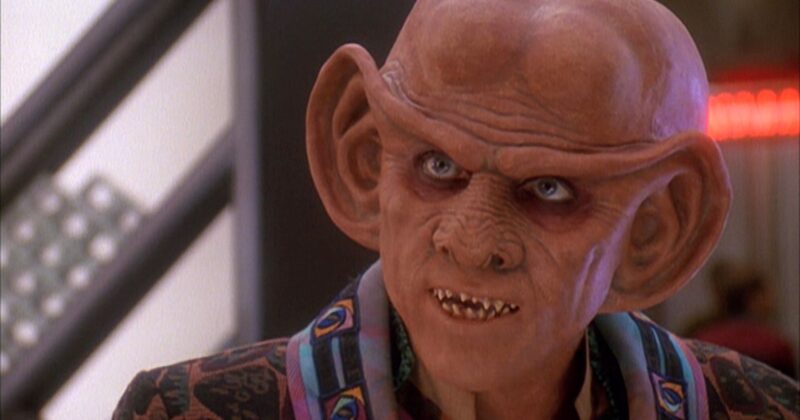
For long-time sci-fi fans, it’s hard to miss the deliberate nods to Deep Space Nine. Take Ilya’s Bar and Restaurant, co-owned by reformed smuggler Ilya Breshov and partners Miles and Amanda Dale. Its legacy as a former speakeasy, now transformed into Happy Valley’s unofficial social HQ, directly channels the atmosphere, intrigue, and importance of Quark’s Bar from DS9. Here, residents and visitors rub shoulders, share news, broker deals, and quietly test the evolving definitions of law and order on Mars. The multi-level crossroads—architecturally and narratively—delivers the essence of a living space station, reimagined for the red planet.
Behind the Scenes: The Star Trek DNA in For All Mankind
This synergy isn’t accidental. The creative team behind For All Mankind includes Ronald D. Moore, whose deeply-rooted Star Trek pedigree brings rich authenticity to the show’s world-building. Moore, alongside technical advisors Michael and Denise Okuda, ensure the show’s vision of Martian life feels both plausible and emotionally resonant. Their influence runs deeper than set design. The narrative logic of having a central promenade in a growing, politically fractious settlement is pure Star Trek: it makes conflict, culture, and community all play out in a shared arena, keeping viewers invested in both the big picture and the fine-grained details of daily existence off Earth.
Mars as the Final Frontier: Power, Politics, and Community
The Mars colony isn’t just a technical feat—it’s a powder keg of politics. Governed by a Soviet Union official, Happy Valley is rife with tension following its expansion, Goldilocks asteroid heist, and labor unrest. Much like DS9, the space is both a sanctuary and a battleground, where the investigation of Mars’ first homicide threatens to unravel fragile alliances. The inclusion of North Korean contingents and an ever-growing workforce adds layers to the show’s depiction of international rivalry and uneasy cooperation.
Trekkie Connections in an Alternate Reality
For All Mankind thrives on its meta relationship with the Star Trek franchise. Diehard Trekkie Commander Danielle Poole famously outed herself as a Star Trek fan, prompting fans to wonder whether Trek itself exists in the show’s alternate timeline. It was later confirmed by the show’s creators: in this universe, only Star Trek: The Original Series, Phase II, The Next Generation, and The Wrath of Khan movie were produced, leaving a gap where shows like DS9 might never materialize. With real Martian colonization in play, the appetite for fictional space odysseys has shifted — but within Happy Valley, those iconic visions have, in a sense, become reality.
Why Happy Valley’s Promenade Matters
For true sci-fi aficionados, Happy Valley’s vibrant promenade is more than clever homage: it’s a testament to the enduring appeal of shared community spaces in speculative fiction. Where Star Trek’s Deep Space Nine gave fans a microcosm of galactic society, For All Mankind grounds those ideals in the plausible, day-to-day realities of the first Martian city. The line between fiction and aspiration blurs—reminding viewers that, at the edge of civilization’s next great leap, life, commerce, and connection are still what truly matter.