For All Mankind on Apple TV+: When Sci-Fi Meets Mars Murder Mystery

Apple TV+’s For All Mankind: A Sci-Fi Series Unveils a Gripping Mars Murder Mystery
The ambition of Apple TV+’s For All Mankind has never been in doubt. Since its debut, the series has captured imaginations by rewriting the space race and exploring the what-ifs of alternative history. Known for its decade-hopping timelines and technological authenticity, the show is a favorite for sci-fi fans who appreciate narratives driven by both human drama and scientific curiosity.
A Genre-Bending Leap: From Space Saga to Murder Mystery
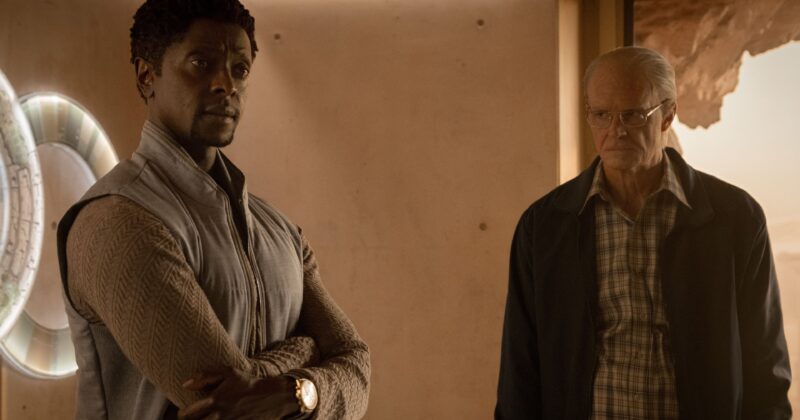
With the latest season, For All Mankind boldly moves into uncharted narrative territory. The series opens with a gripping murder mystery set on Mars, seamlessly blending classic whodunit intrigue with the technical marvels of interplanetary colonization. The season kicks off with Celia Boyd, a Mars surface patroller, discovering the body of a worker under suspicious circumstances. What seems like a tragic accident quickly unravels into a complex investigation. The brisk conclusion of the case by Mars’ Peacekeepers, targeting Lee Jung-Gil as the scapegoat, raises more questions than answers—and hints at deeper conspiracies beneath the red dust.
Redefining Sci-Fi Storytelling
For fans accustomed to For All Mankind‘s technological breakthroughs and political maneuvers, the pivot to murder mystery offers a fresh angle. It retains the vivid Mars colony setting, steeped in plausible science and advanced engineering, but now frames the narrative through investigative suspense. This creative mix not only honors the traditions of classic sci-fi—where imagination supersedes mere technology—but also invites viewers who crave tension, intrigue, and psychological depth.
Technical Details and World-Building
True to the philosophy that makes tech-driven stories so enthralling, the series continues to deliver meticulously crafted sets, lifelike astronaut procedures, and realistic depictions of Mars’ harsh landscapes. From airlock safety drills to the limitations of Martian gravity, each episode is peppered with practical challenges of survival and community in space. The death at the heart of the plot is more than a mystery; it becomes a lens for exploring social structures, international tensions, and the ethics of colonizing another planet.
Modern TV and the Rise of Hybrid Genres
The embrace of the murder mystery reflects a broader trend in streaming television: genre fusion. Viewers are increasingly drawn to shows that defy easy labels—think of the psychological drama of Severance or the viral success of Pluribus, both on Apple TV+. By introducing a Mars-based whodunit, For All Mankind smartly aims to resonate with not only sci-fi enthusiasts but also fans of detective fiction and complex ensemble dramas. The show retains its trademark political subplots, with Martian colonies caught in the crossfire of Earthly geopolitics, reinforcing the idea that the future of humanity is as messy and multifaceted as its past.
What Lies Ahead: The Future of For All Mankind and Beyond
Even as For All Mankind approaches its final seasons, the appetite for expanded storytelling within this universe remains high. Official announcements have teased a spin-off, tentatively titled Star City, which will shift the lens to the Soviet Union’s alternate history—delving deep into political intrigue, espionage, and the shadows of authoritarian rule. This opens possibilities for stories that go beyond space exploration, instead examining how the human spirit is tested in both open frontiers and secret corridors of power.
The genre evolution of For All Mankind marks a new gold standard for how ambitious science fiction can intersect with tense, character-driven drama. As Mars becomes both a battleground and a puzzle box, the series continues to push creative boundaries—delivering a story that feels startlingly relevant and thrillingly unpredictable in the streaming era.