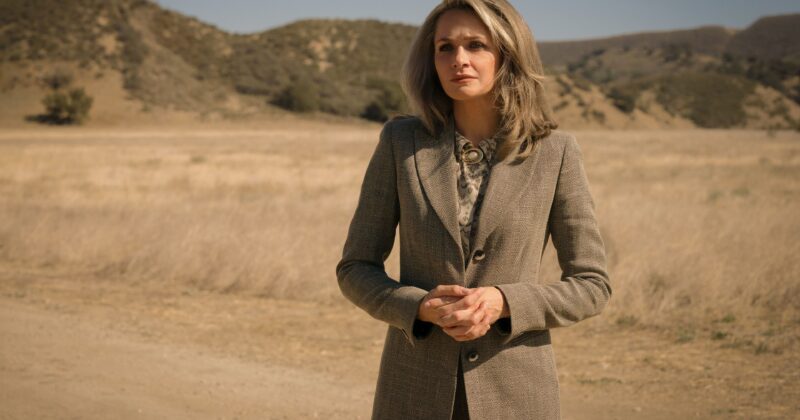
For All Mankind: Breaking All the Rules of Space Storytelling
For All Mankind has emerged as one of the most innovative science fiction series available on Apple TV+, standing out in a crowded lineup of genre heavyweights. While viewers have witnessed an explosion of high-quality sci-fi in recent years, few shows have dared to rewrite the playbook as boldly as this alternate history powerhouse. With its captivating premise and layered storytelling, it rewires what audiences can expect from a space drama, transforming both the scope and soul of its genre.
An Alternate Space Race That Changes Everything
This series sets itself apart by imagining a world where the space race between the United States and the Soviet Union never ended. The story opens with the unprecedented twist of the Soviets landing on the moon before NASA, sending shockwaves through American morale. Faced with this defeat, NASA must reimagine not just their technical goals, but also their social policies. The Soviet focus on diversity forces the American program to accelerate its own inclusivity, reshaping both its workforce and the broader culture it influences.
Much like a historical remix of Star Trek, For All Mankind leverages its «what if» scenario to examine how progress in space could radically alter 20th-century society at every level. Its agile narrative doesn’t just ask what happens on the moon—every decision reverberates back home, rewriting the American social fabric itself.
Ensemble Storytelling That Stretches Across Decades
The show features a massive cast, each character deeply woven into the evolving tapestry of this alternate timeline. Relationships pivot with political turns, alliances reshape, and careers rise and fall against the backdrop of a relentless space race that’s never static. Some standouts include Joel Kinnaman’s Ed Baldwin and Michael Dorman’s Gordo Stevens, but every season introduces new faces and stakes with remarkable fluidity.
By its third season, humanity reaches Mars—yet the focus remains just as much on cultural ripple effects as scientific milestones. The Martian landscape is as emotionally charged as the family dinner table back on Earth. Rarely does sci-fi juggle such a dynamic range without losing its sense of direction, but here, ambition and intimacy go hand-in-hand.
Reinventing Sci-Fi: History Doesn’t Repeat, It Evolves
Unlike other space-bound epics like The Expanse or fleeting ventures such as Starfleet Academy, For All Mankind takes pride in showing how an expanding frontier doesn’t just push humanity outward—it calls for transformation at home. Telling the space story isn’t just about cold voids and distant planets; it’s about revealing how humans redefine themselves through that journey.
This approach allows the show to explore powerful narratives often ignored by mainstream sci-fi: how institutions react to global pressure, the shifting currents of social justice, and the real cost of progress. The ripple effect of each new mission transforms politics, gender roles, and even the fabric of ordinary family life.
Why For All Mankind Is Required Viewing for Sci-Fi Fans
By revisiting (and rewriting) the critical moments of the last century, For All Mankind offers something few shows can: a fresh take on a genre known for looking forward by daring to look back. With showrunners like Ronald D. Moore and directors including Sergio Mimica-Gezzan and Andrew Stanton, every episode is crafted with meticulous care for both historical detail and speculative wonder. The effect is a truly immersive journey, as relevant today as it is thrilling.
This Apple TV+ original is not just another space saga—it’s an essential exploration of «what could have been,» daring viewers to rethink what they demand from the sci-fi stories of tomorrow. Fans looking for an ambitious, thought-provoking, and emotionally rich series will find themselves at home here, as the show pushes the final frontier further than ever before.