Foundation: A Daring Vision for Sci-Fi on Apple TV+
Apple TV+ has firmly positioned itself at the forefront of the modern sci-fi renaissance. Series like Silo and For All Mankind already showcased the platform’s ambition, but with Foundation, Apple TV+ has propelled televised space opera into uncharted territory. Adapted from Isaac Asimov’s monumental novels, Foundation dares to defy expectations with breathtaking production design, narrative confidence, and philosophical depth rare for the genre.
The Visual Language of Tomorrow
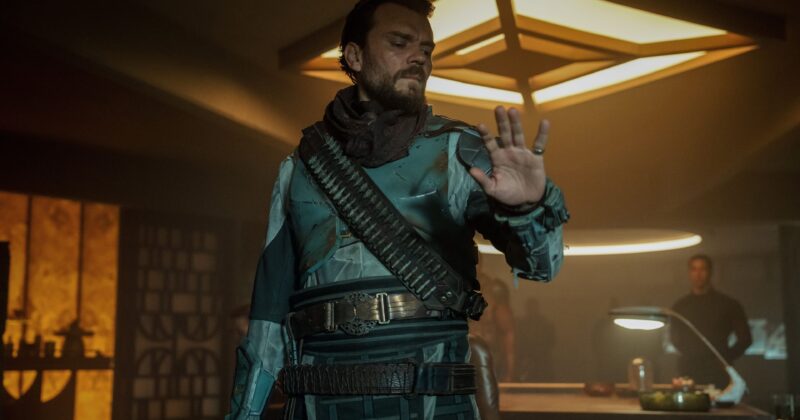
Step into the world of Foundation and you quickly realize this isn’t another recycled vision of interstellar adventure. Rather than echoing the weathered corridors and familiar starship silhouettes of Star Trek, Star Wars, or Firefly, Foundation’s visuals exude a unique operatic brilliance. The Galactic Empire’s home planet, Trantor, glistens with monumental architecture that feels both ancient in its gravitas and dazzlingly futuristic. The ships and costuming depart from cliched, utilitarian space aesthetics—instead, they evoke imperial grandeur and ritualistic uniformity, amplifying themes of stagnation and control intrinsic to the show’s storyline.
Production choices underscore an unwavering commitment to world-building. Nothing here is borrowed; every detail, from shimmering halls to the cloned emperors’ regalia, tells a story of tradition and destiny, refusing to rely on well-trodden sci-fi tropes. This deliberate distancing from the genre’s visual comfort zone gives Foundation a signature presence unmatched on the current sci-fi landscape.
A Series That Challenges Its Audience
Foundation’s narrative approach is just as courageous as its aesthetic. Rather than spoon-feeding viewers with endless exposition—a common crutch in space operas—the series trusts its audience to stay engaged and keep pace. Convoluted concepts like psychohistory, galactic collapse, and intergenerational political intrigue are woven organically into the plot, with the show rarely pausing to explain itself in detail. Viewers follow Hari Seldon (brilliantly portrayed by Jared Harris) as he unveils bold ideas and then moves relentlessly forward, leaving audiences to connect the dots on their own terms.
This methodology could easily confuse or alienate casual viewers. Yet, Foundation’s resistance to unnecessary simplification is its secret weapon. By showing consequences over explanations, the series creates a more immersive experience—viewers see political upheaval, technological marvels, and moral conflicts unfold in real time rather than through dialogue-heavy lectures. The result is a richer, more layered journey that rewards careful attention and critical thinking.
Expanding the Boundaries of Space Opera
What truly elevates Foundation above its contemporaries is its intellectual ambition. Traditional space operas might follow a single charismatic protagonist overcoming galactic odds. Here, the focus shifts to the fate of entire civilizations, the weight of history, and the inescapable logic of mathematics, as articulated through Seldon’s psychohistory. The Genetic Dynasty’s cloned emperors—Brother Dawn, Brother Day, and Brother Dusk—force the audience to grapple with uncomfortable questions about identity, authority, and the nature of progress.
The narrative’s structure boldly spans generations, exploring grand themes of inevitability versus individuality. Salvor Hardin (Leah Harvey) emerges as a compelling character, challenging genetic destiny and injecting a human element into Asimov’s otherwise deterministic universe. Meanwhile, characters like Gaal Dornick (Lou Llobell) navigate personal struggles and philosophical quandaries, bridging the gap between abstract theory and heartfelt emotion.
Foundation and the Renaissance of Intelligent Sci-Fi
For years, Asimov’s Foundation saga was deemed ‘unfilmable’ due to its complexity and scope. Apple TV+ has proven not only that a faithful adaptation is possible, but that a space opera can be both visually striking and intellectually fulfilling. By refusing to dilute its source material, Foundation places philosophical conflict and cerebral exploration at the heart of its drama—without ever compromising on spectacle or emotional stakes.
This is space opera unafraid to challenge, dazzle, and provoke. It stands as a testament to what can be achieved when a streaming platform invests in ambitious storytelling and trusts its audience’s intelligence. For anyone passionate about the future of science fiction television, Foundation is required viewing. Its audacity and artistry ensure it’s not just another entry in the genre—but a show that could redefine science fiction for years to come.