Why Friday Night Lights Sets the Benchmark for Sports Dramas
If there is a show that truly understands the beating heart beneath Friday night stadium lights, it is Friday Night Lights. More than just a chronicle of high school football, the series immerses viewers in the lives, struggles, and triumphs of a small Texas town where the game is everything and everyone has a stake in the outcome. From its emotional pilot to its bold narrative risks, Friday Night Lights cemented its legacy as a must-watch for those who crave meaningful character drama wrapped in the adrenaline of sports.
An Unforgettable Opening Act
From the onset, Friday Night Lights pulls viewers into Dillon, Texas, a town that quickly becomes as vital to the narrative as any character. The first season is notable for its emotional honesty and clear purpose. The pilot’s climax, where star quarterback Jason Street is badly injured, instantly catapults not only the team but also the entire community into a journey of discovery and resilience. Each character, from wide-eyed Matt Saracen to brooding Tim Riggins and explosive Smash Williams, is rendered with rare subtlety. They begin as familiar high-school types, but the show chisels them into deeply unique individuals.
The football matches themselves are electrifying—not just for the athleticism, but for the stakes and the way the community’s pride intertwines with every snap. You don’t need to care about sports to get caught up in the Panthers’ journey; the tight editing, passionate commentator voiceovers, and very real mud and grit make every game accessible and absolutely gripping.
The Season That Fumbled (And the Fandom That Felt It)
Despite its near-flawless start, Friday Night Lights stumbled in its sophomore outing. The show’s DNA is tender, intimate drama, yet season 2 ventured into much darker, more melodramatic territory. The infamous Landry and Tyra storyline, which saw the pair covering up a killing after a would-be assault, felt jarringly at odds with the spirit of the series. This plot, more at home in a crime thriller, weighed down the show with unnecessary heaviness.
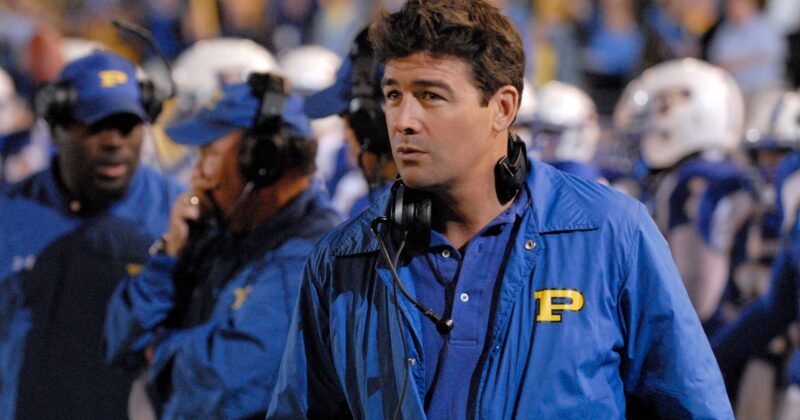
Compounding this, Coach Taylor is dispatched to Texas Methodist University, removing the show’s central anchor. The resulting turbulence—within the Panthers’ locker room and Taylor’s own family—disconnected audiences from the core theme: building cohesion and hope through adversity. Thankfully, Friday Night Lights recognized these missteps quickly, course-correcting mid-season and returning Coach Taylor and the Panthers’ community focus to center stage.
Rediscovering Purpose: Seasons 3 and Beyond
The series rebounded powerfully in its third season, refusing to dwell on past mistakes. Confessions are made, secrets are laid to rest, and the Panthers return to doing what they do best: growing. The focus on senior year brought a natural narrative evolution; familiar faces prepared for life after high school while new talent entered the scene, refreshing the ensemble without losing the show’s emotional core.
In an industry where high school dramas often falter after key characters graduate, Friday Night Lights proved remarkably adaptable. The secret is its grounding in Coach Taylor, expertly portrayed by Kyle Chandler, whose presence as mentor and father-figure keeps the emotional stakes high. Even as the series shifted its attention to East Dillon High and a fresh cast of underdogs, it maintained the essential message that community, acceptance, and hard work matter as much off the field as on it.
A Human Story That Outgrows the Game
Friday Night Lights intelligently leaves certain arcs open-ended, embracing the uncertainty and hope that define real life. The finale does not attempt to resolve every storyline with a bow—rather, it lets its characters look forward, echoing the series’s larger themes of growth and perseverance.
With its authentic portrayal of small-town life, family dynamics, and the thrill and heartbreak of competitive sports, Friday Night Lights remains an all-time standout in television drama. Its missteps are a compelling part of its legacy, proof that even near-perfect shows must occasionally lose their way to find what matters most.