The Evolution of Fringe: A Sci-Fi Show Like No Other
Fringe launched as one of the boldest sci-fi series of its generation, blending high-concept mysteries with deeply emotional character arcs. The brainchild of creative powerhouses like J.J. Abrams, Roberto Orci, and Alex Kurtzman, its opening drew immediate comparisons to genre legends The X-Files and The Twilight Zone. However, what truly set Fringe apart wasn’t just its storytelling ambition—it was its capacity to completely transform itself across five seasons, evolving far beyond its initial «case-of-the-week» formula.
From Standalone Mysteries to Parallel Universes
The first season of Fringe offered viewers a familiar structure: bizarre crimes investigated by a specialized FBI team known as the Fringe Division. Each episode delivered a self-contained anomaly—a style that made it accessible to casual viewers and reminiscent of television’s most iconic procedural mysteries. Yet, seeds of something grander were always present, laying the groundwork for what would become the heart of the show: the concept of parallel universes and the existential implications of crossing realities.
As the seasons progressed, the narrative audaciously shifted gears. Instead of isolated mysteries, Fringe delved into an ongoing saga of inter-dimensional conflict, the threat of a reality-shattering doomsday device, and mind-bending time travel. Storylines became increasingly serialized, offering fans a rich tapestry of lore to analyze and debate. In this sense, the show came to rival the layered world-building of Lost, cultivating a fiercely loyal community of theorists and enthusiasts.
Consistent Quality, Unwavering Vision
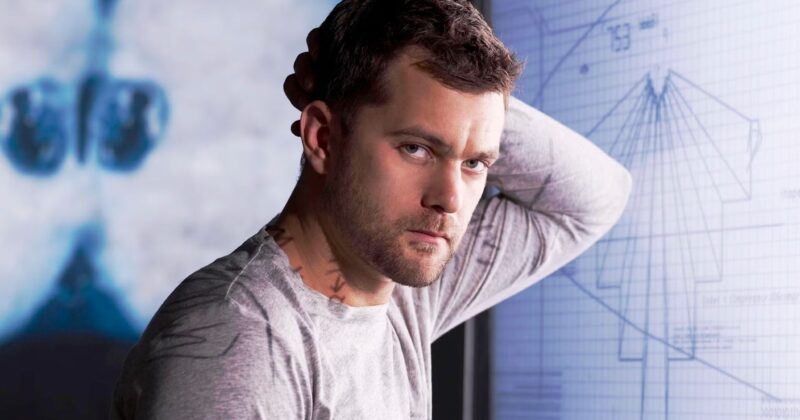
One aspect that defines Fringe’s legacy is its remarkable consistency in quality. While season one is sometimes seen as the show’s most conventional, each subsequent season raised the bar in terms of narrative ambition and emotional depth. Seasons three through five are widely celebrated as the series’ creative peak, marked by unforgettable performances—especially from Joshua Jackson, Anna Torv, and the incomparable John Noble as Walter Bishop. Critics and audiences alike praised the show’s commitment to reinvention, reflected in its 91% Rotten Tomatoes score for the entire run.
Even during its shift to challenging Friday night time slots, Fringe proved resilient—surviving and thriving where others faltered. This resilience speaks not just to the strength of its writing, but to the passionate fandom that rallied behind each new twist and revelation. The show’s world-building, full of intricate scientific concepts and questions about identity, morality, and sacrifice, continues to resonate with anyone seeking more than just surface-level thrills from their sci-fi.
Fringe Beyond Television: Comics, Novels, and Digital Access
The influence of Fringe didn’t end with its finale. Its universe found new life in tie-in novels and a short-lived but memorable comic book series, allowing fans to further explore untold stories and alternate timelines. These expansions deepen the mythos and suggest just how profoundly the show impacted genre storytelling in the modern era.
For those who want to experience—or revisit—the wild ride of Fringe from start to finish, all five seasons are currently available for streaming on Hulu. It’s a perfect entry point for newcomers and a welcome nostalgia trip for longtime fans. Whether you’re drawn to inventive sci-fi procedurals, intricate multiverse sagas, or just crave a show willing to risk it all for storytelling greatness, Fringe stands as a testament to the genre’s power to challenge and inspire.