Gen Z’s Cinematic Revolution: Redefining Masculinity On Screen
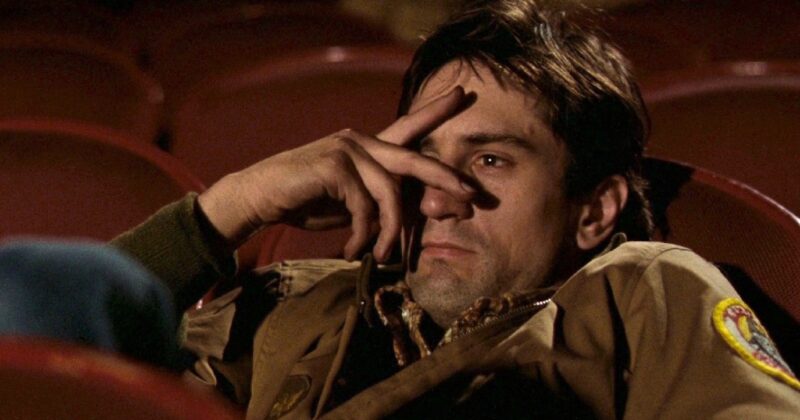
For over a century, Hollywood’s silver screen has projected powerful archetypes of masculinity, often favoring the stoic, lone hero—figures cut from the rugged molds of characters like Travis Bickle from Taxi Driver or the cold, solitary antiheroes that have populated countless iconic films. But as audiences evolve, so do their values and expectations. Today, a fresh generational wave—collectively known as Gen Z (those born between the late 90s and the early 2010s)—is sending a clear message to studios: authenticity, emotional depth, and vulnerability matter more than outdated masculine tropes.
The End of Hypermasculinity? Gen Z Wants Nuanced Men
Recent research from UCLA’s Center for Scholars & Storytellers tapped into the perspectives of over 1,500 young people between 10 and 24 years old. The findings reveal a marked shift in what this generation wants from male characters in movies and TV. The takeaway? Modern audiences crave stories about men who embody emotional connection—men who are unafraid to show joy, nurture relationships, and admit when they need help.
Cultural observers point out that for Gen Z, the most compelling heroes are no longer those who shoulder the world alone but those who dare to be present in their relationships, navigate internal struggles, and embrace their humanity with authenticity. The results of the UCLA survey are striking: nearly 60% of respondents cited ‘joyful fatherhood’ as the most important depiction missing from modern media. These young viewers want to see dads who actively express love and pride, rather than falling into the archetype of the emotionally distant patriarch.
Vulnerability On Screen: A New Masculine Ideal Emerges
This drive for change doesn’t stop at paternal relationships. The appetite for multidimensional male characters spills over into broader narratives. According to the same survey, 46% of Gen Z and Gen Alpha respondents—an even younger demographic—are looking for stories where men are unafraid to ask for help, whether it’s about life challenges or mental health struggles. It’s a clear call for a move away from the idea that ‘real men’ must always be self-reliant or stoic.
Hollywood writers’ rooms are slowly responding to these cues. Storylines in recent series and films are increasingly showcasing men navigating vulnerability, forming meaningful connections, and being open about their feelings. Characters once defined solely by their strength or resilience are starting to reveal layers that previously went unexplored—supporting the idea that viewers relate more to textured, authentic portrayals than to one-dimensional symbols of toughness.
Why Representing Nuanced Masculinity Matters in Today’s Pop Culture
What’s especially notable here is the context: media, especially film and TV, subtly shapes public perceptions and social norms. When mainstream entertainment platforms present emotionally fluent male characters, they don’t just reflect the times—they help move culture forward. For generations raised on the steady drip-feed of strong-silent archetypes (think James Bond or Batman in his darkest iterations), seeing positive images of joyful, caring, and emotionally literate men can be a gentle counterweight, offering alternative scripts for masculinity.
Of course, strength and solitude remain powerful—no one’s advocating for their total erasure. Stories that thrive often do so because they allow characters to be contradicted, conflicted, and complicated. But the spotlight is shifting: Gen Z’s challenge to Hollywood isn’t about undermining masculinity, but about expanding its definition to recognize that care, connection, and courage to be present are heroic qualities too.
From Iconic Antiheroes to the New Age of Vulnerable Men
Reflect back on classic roles—Robert De Niro’s performance as Travis Bickle, for instance, or the brooding Tony Soprano pondering life’s challenges. While these figures continue to hold relevance, it’s now possible to appreciate new kinds of storytelling emerging. Instead of isolating strength from softness, writers can tap into the full spectrum of male experience, blending power and compassion, defiance and empathy. This evolution is not only redefining industry standards but also offering young audiences narratives that reflect the realities and aspirations of modern life.
As these changing expectations permeate the content industry, the next wave of films and series is set to mirror a society more attuned to emotional complexity and authentic connection—proving that when pop culture listens, everyone wins.