Guillermo del Toro Reimagines Fantasy: ‘The Buried Giant’ Set for a Groundbreaking Stop-Motion Adaptation

Guillermo del Toro Brings Kazuo Ishiguro’s ‘The Buried Giant’ to Life
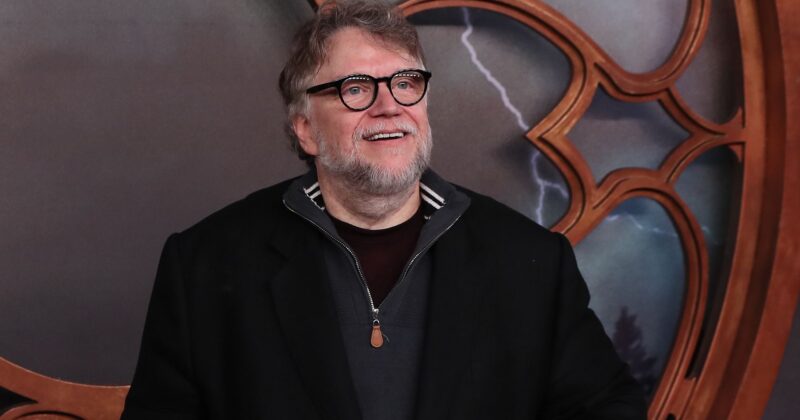
Renowned for bending genres and exploring the line between fantasy and horror, Guillermo del Toro is once again poised to captivate audiences with his upcoming cinematic venture: an ambitious stop-motion adaptation of Kazuo Ishiguro’s celebrated novel, The Buried Giant. Hot off the critical acclaim of his adaptation of Frankenstein, del Toro is taking on a project steeped in myth, loss, and collective memory — themes that have shaped some of the most defining works in modern fantasy cinema.
Post-Arthurian Myths and Collective Amnesia
The Buried Giant is set in a mist-shrouded Great Britain, centuries after King Arthur’s era. Here, Britons and Saxons coexist in fragile peace, while an eerie fog robs the land’s inhabitants of their memories, erasing scars from brutal conflict but also obscuring vital personal histories. At its heart, the story follows Axl and Beatrice, an elderly couple venturing through enchanted forests teeming with ogres, sprites, and dragons, all in hope of reuniting with their lost son — a journey complicated by the very mists that strip them of remembrance and identity.
With del Toro’s signature passion for the monstrous and magical, this narrative is set not just to entertain but provoke. The exploration of collective trauma mirrors themes seen in modern fantasy hits, albeit with a quieter, more reflective sensibility that’s a natural extension of del Toro’s own storytelling lens.
The Aesthetic Power of Stop-Motion
Del Toro’s choice to craft The Buried Giant in stop-motion animation is both a return to his roots and a bold creative statement. Fans of his Oscar-winning Pinocchio will recognize the power of this medium for conveying fable-like atmospheres, uncanny wonder, and melancholic depth. Not only does stop-motion deliver a tactile sense of reality — every puppet, every shadow feels lived-in — it also evokes the timelessness and mystery essential to Ishiguro’s novel.
Partnering with acclaimed screenwriter Dennis Kelly, del Toro demonstrates a clear understanding that animation is not merely for children but can be the stage for hauntingly grown-up stories about memory, grief, and transformation. Fans of Game of Thrones and other dark historical fantasies will find familiar territory in the rich mythology and psychological depth promised by this adaptation.
Expanding Del Toro’s Cinematic Universe
The announcement of The Buried Giant has sparked intense anticipation, amplified by its thematic kinship to del Toro’s Pinocchio. Both films grapple with the aftershocks of war, obedience, and loss — exploring the ways trauma is etched into individuals and societies alike. In del Toro’s vision, animated fables become profound meditations on human experience.
It’s worth noting that stop-motion films are uniquely labor-intensive, often taking several years from concept to screen. While the current production status remains closely guarded, recent updates suggest that fans could expect movement soon, with the launch window projected for 2026 if timelines hold.
For readers seeking a deeper dive into the evolution of stop-motion fantasy, del Toro’s larger body of work — from Pan’s Labyrinth to Hellboy — showcases a filmmaker constantly seeking new ways to blend practical effects with masterful world-building, and always with a reverence for the strange, the gothic, and the human.
Why Fans, Cinephiles, and Fantasy Readers Should Care
The Buried Giant marks another leap forward for animated storytelling on streaming platforms, and a compelling argument for stop-motion’s place among the most prestigious tools in modern cinema. With del Toro and Kelly at the helm, fused with Ishiguro’s Nobel Prize-winning storytelling, this is not just a fantasy adaptation — it’s a masterwork in progress that promises to stand alongside the greatest animated features of the decade.