HBO and the Evolving Gold Standard of Fantasy Television
In the landscape of premium television, HBO has solidified its position as the definitive benchmark for fantasy storytelling. While competitors like Netflix, Disney, and Amazon Prime have each delivered notable franchises—think Stranger Things, Andor, or The Rings of Power—it remains HBO’s triptych set in Westeros that repeatedly redefines genre excellence. The ongoing journey from Game of Thrones through to House of the Dragon and now A Knight of the Seven Kingdoms illustrates not only staying power but remarkable growth and adaptation, even after early missteps.
The Rise, Fall and Redemption of an Icon
It’s impossible to overlook how Game of Thrones captured the collective imagination during its first four scintillating seasons, propelling characters like Daenerys Targaryen, Tyrion Lannister, and Arya Stark into pop culture royalty. However, the show’s closing chapters became infamous among fandoms for their divisive narrative choices, particularly in the widely criticized eighth season. This controversial ending might have irreparably damaged another property, but for HBO, it became a lesson—and a prompt to recalibrate.
Enter House of the Dragon, a meticulously crafted prequel that rekindled enthusiasm by returning to the franchise’s roots: complex political machinations, moral dilemmas, and high fantasy intrigue. Audiences and critics alike noted the shift, with the show boasting an impressive reversal in audience and critical scores: while Game of Thrones season 8 languished with low ratings, the inaugural season of House of the Dragon earned near-unanimous praise, with IMDb ratings jumping from 6.4 to 8.7 per episode and Rotten Tomatoes scores reflecting a similarly dramatic improvement.
House of the Dragon: Challenges and Course Corrections
The second season of House of the Dragon encountered its fair share of turbulence. Notably, the episode count reduction from ten to eight led to episodes that sometimes felt like extended preludes rather than narrative payoffs. Viewers picked up on pacing concerns and deviations from George R. R. Martin’s rich source material, pointing out certain arcs that seemed to stall rather than progress. The expectation gap between the epic scale of Targaryen drama and the more muted delivery of the season created a wave of anticipation for the third chapter, with fans still longing for satisfying closure to major threads.
A Knight of the Seven Kingdoms: Back to Storytelling Fundamentals
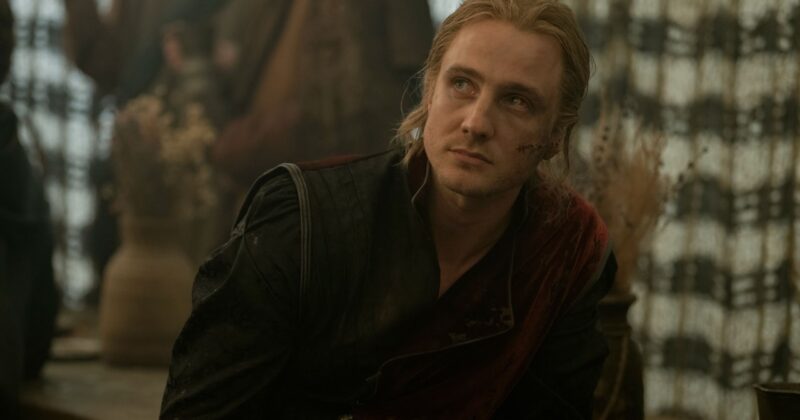
Just when doubts about momentum began to surface, A Knight of the Seven Kingdoms arrived and reminded audiences of the franchise’s narrative potential. By focusing on the humble adventures of Dunk and Egg—two souls adrift in a Westeros unburdened (for once) by impending doomsday—the series was celebrated as a masterclass in adaptation. Stripped of world-ending stakes and cosmic destinies, the show prioritized fidelity to George R. R. Martin’s tone and characters, and it resonated because of its focus on intimate storytelling. For new viewers and book veterans, A Knight of the Seven Kingdoms stands out as a case study in how to execute a prequel with respect, heart, and narrative clarity.
What Makes Adaptation Work?
As HBO continues to expand the Thrones universe, the franchise’s future hinges on nuances: balancing canonical twists with character depth, preserving the dense world-building that calls viewers back episode after episode, and delicately adapting Martin’s signature style for the screen. Surveys among die-hard fans underscore that maintaining character motivation and authenticity sits at the core of any successful adaptation—an opinion that has guided HBO’s most acclaimed entries.
Anticipation Builds for House of the Dragon Season 3
With the universe’s latest successes, attention inevitably shifts back to the next season of House of the Dragon. Early glimpses via teaser trailers have refueled excitement, with high expectations resting on showrunner dynamics and resolutions to current plotlines. The relationship between creative leadership, including ongoing tensions between Ryan Condal and George R. R. Martin, is a subplot nearly as captivating as anything onscreen, presenting an intriguing meta-narrative for devoted followers.
With HBO’s proven agility and willingness to learn from past stumbles, all eyes remain on the Targaryens, Dunk, Egg, and whatever mysteries Westeros next has in store.