HBO’s Harry Potter Series Brings Movie-Invented Quidditch Tradition to TV, Expanding Canon With Magical Symbolism

HBO’s Harry Potter Adaptation: Merging Movie Magic and Literary Roots
The upcoming Harry Potter series on HBO Max has already caused a stir among franchise fans by revealing a detail that rewrites the original book canon, blending movie invention with Rowling’s universe. A single first-look image released via official social channels sent ripples across the internet, showing Harry Potter himself walking away in full Gryffindor Quidditch regalia. The standout feature: his iconic number ‘7’ emblazoned across the robe.
No Quidditch Numbers in the Books—A Cinematic Creation Now Made Canon
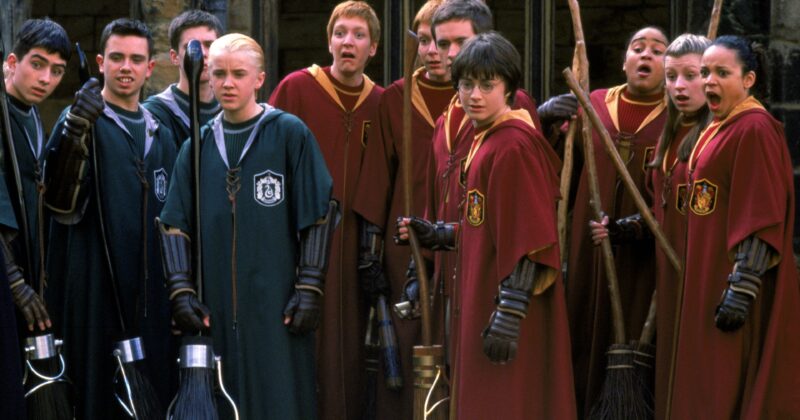
Diehard readers may know that Quidditch player numbers never appear in J.K. Rowling’s books. The tradition began with the film adaptation of Harry Potter and the Prisoner of Azkaban, aligning Hogwarts’ wizarding sport with the aesthetics of professional Muggle athletics. HBO’s decision to keep the numbered robe is more than a costume choice—it’s a deliberate nod to the franchise’s cinematic history, bringing a visual shorthand for heroism, legacy, and mystical symbolism to the small screen.
Why the Number ‘7’ Resonates Throughout Harry Potter’s World
The number seven is steeped in magical legend, both in-universe and in symbolic tradition. Seven is repeatedly referenced as the most powerful magical number in the Harry Potter universe, with roots going back to Arithmancer Bridget Wenlock. The showrunners’ homage to this motif pulls from not only magical theory but also the deep traditions of global folklore, including the significance of seven in ancient cultures and modern religion. In pop culture, seven has its own weight—think of legendary footballers like David Beckham and Cristiano Ronaldo, whose iconic jerseys made ‘7’ synonymous with brilliance and leadership worldwide.
Expanding Quidditch on TV: A Scene That Movies Never Showed
Besides the number, the new HBO image hints at a brand-new Quidditch match—Hufflepuff versus Gryffindor—a pairing never seen in the film series. This suggests the show will explore the sport far more deeply than the movies ever dared, making room for fan-favorite book moments that big-screen adaptations left aside. Quidditch, always a metaphor for school rivalry and teamwork, is now positioned as a narrative centerpiece, promising more immersive, high-stakes matches and intricate character development for house teams.
The Symbolic Layer: Harry as the Seventh Horcrux
Layers of meaning build as you dig through the significance of ‘7’. Beyond sports, Harry is, unknowingly, the seventh and final Horcrux—an essential twist in Voldemort’s quest for immortality. For longtime fans, details like a number on a robe serve as visual breadcrumbs leading back to pivotal themes and narrative turns. Moreover, the number of Harry Potter novels—and corresponding school years—is also seven, reinforcing why this tradition resonates with such power in the fan community.
Cast, Showrunner, and the Challenge of Adaptation
Helmed by showrunner Francisca Gardiner and boasting a fresh cast including Dominic McLaughlin as Harry and Janet McTeer as Minerva McGonagall, the HBO series promises to deliver not only greater book accuracy but also thoughtful expansions to established lore. Costume design is not just window dressing, but a calculated method to bridge book canon with beloved movie cues, keeping both franchise newcomers and lifelong followers engaged.
As the new series unspools each of Hogwarts’ seven transformative years, every detail—down to the iconic “7” on Quidditch robes—signals a renewed commitment to depth, symbolism, and the ever-evolving legacy of the Wizarding World across mediums. Fans are invited to keep their eyes peeled for more subtle Easter eggs and narrative flourishes as classic elements get their TV renaissance.