Hidden Gems of Fantasy TV: 10 Underrated Shows You Shouldn’t Miss

Exploring the Underrated Corners of Fantasy Television
The fantasy genre on television often bursts with spectacular worlds, magical lore, and epic storytelling. Yet, beyond the widespread acclaim of monumental hits like Game of Thrones or The Witcher, numerous fantasy series have flown under the radar. These shows offer fresh takes, unique atmospheres, or pioneering concepts but haven’t quite garnered the spotlight they deserve. Many factors contribute to their obscurity — unfortunate timing, niche tones, or being overshadowed by mainstream giants. Let’s delve into a selection of fantasy TV series that, despite their merits, remain largely uncelebrated in pop culture discussions.
Willow: Revisiting a Cult Fantasy Classic
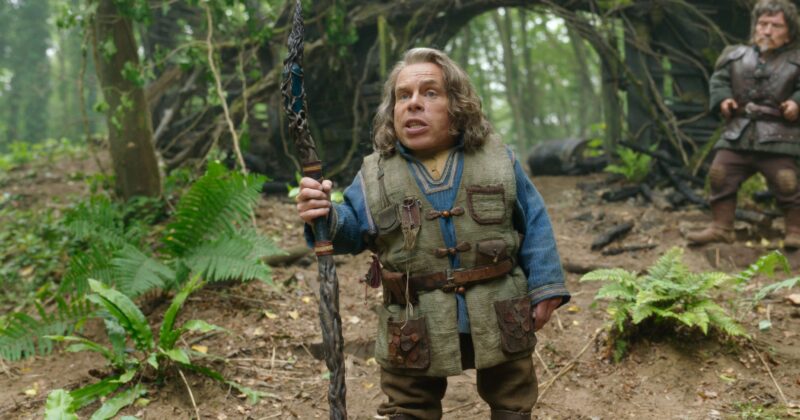
The original Willow film emerged in the late 1980s as a beloved cult fantasy adventure, notable for its imaginative storytelling and Warwick Davis’s iconic portrayal of the titular character. Despite mixed critical reception, its charm earned it a loyal fan base. When adapted into a TV series, expectations soared, especially as it aimed to recapture the nostalgia of the original while expanding the story with rich fantasy elements reminiscent of tabletop RPGs like Dungeons & Dragons.
However, the television adaptation took a distinctly different tonal and narrative approach. It struggled to connect both with die-hard fans of the movie and new viewers, largely due to worldbuilding choices that failed to ground the enchanting realm convincingly. Additionally, releasing alongside heavy hitters such as House of the Dragon and The Rings of Power in 2026 created a hyper-competitive landscape that drowned out Willow‘s quieter, more character-driven magic.
Galavant: The Musical Fantasy That Was Ahead of Its Time
Imagine a fantasy show where the hero breaks into song and comedy intertwines with sword fights and dragons – that’s Galavant. An irreverent blend of fantasy and musical comedy, it carved a niche thanks to catchy numbers and witty writing. While musicals remain a polarizing format, the show garnered considerable affection from audiences, boasting over 90% positive ratings from viewers.
Its unique charm shares sonic and tonal similarities with shows like Once Upon a Time, yet its musical style made marketing difficult and boxed it into a niche too eccentric for broad appeal. Ultimately, Galavant only lasted two seasons, leaving many wishing it would have flourished in a future where musical media enjoys greater mainstream success, much like the recent rise of Wicked adaptations.
The OA: A Mind-Bending Blend of Fantasy and Sci-Fi
The OA delivered a storytelling experience unlike most television fare, weaving together fantasy, science fiction, and themes of spirituality and existentialism. Its narrative was complex, exploring secret government experiments, alternate dimensions, and the healing power of dance, all wrapped in a metaphysical layer that invited deep fan speculation.
However, the show’s bold and unconventional storytelling likely contributed to its polarizing reception. The abrupt cancellation left story arcs unresolved, frustrating devoted fans and confusing casual viewers. Still, its cult following praises The OA for pushing boundaries and attempting to be a transformative show, often comparing its mystique and storytelling ambition to that of Lost.
Warrior Nun: Comic Book Origins Meet Mythic Fantasy
Drawing from its graphic novel roots, Warrior Nun blends religious iconography with action fantasy flawlessly, delivering thrilling battles, layered characters, and captivating lore. The series found a dedicated fanbase through its first two seasons, earning near-universal acclaim from audiences. Yet, despite its strong foundation and passionate community campaigning, it was canceled prematurely.
One factor in its struggle was the show’s initial ambiguity in tone. Early episodes leaned heavily on young adult drama tropes, which may have misled or dissuaded some viewers expecting a series akin to darker fantasy epics. As the show progressed into a more mature and expansive mythology, it unfortunately lost momentum with viewers, resulting in diminished visibility.
Extraordinary: A Refreshing, Offbeat Take on Superpowers
In a superhero-saturated market, Extraordinary stands out by treating superpowers as everyday quirks rather than grandiose abilities. This British series centers on Jen, a 25-year-old navigating a world where people develop unusual powers at 18 — powers that range from communicating with ghosts to summoning aquatic creatures. Its low-key, sitcom-style execution contrasts with high-budget superhero spectacles, offering a fresh voice with dry humor and relatable character moments.
The understated tone and cultural specificity, however, limited its broad appeal, particularly on platforms like Disney+, where audiences expect glossy, high-action superhero entertainment. This has kept Extraordinary tucked away as a hidden gem, appreciated by those craving something more grounded and humorous within the genre.
Merlin: The Family-Friendly Arthurian Retelling
Merlin enchanted viewers for five seasons with its retelling of the legendary wizard’s early life in King Arthur’s realm. While popular during its run, it rarely appears among discussions of groundbreaking fantasy TV. The series found itself balancing a fine line: adapting dark, mature Arthurian myths for a family demographic while retaining engaging storylines.
This tonal blend sometimes made the show feel dated, especially as it relied heavily on the episodic «monster-of-the-week» format popular in the early 2000s instead of modern serialized narratives with intricate character arcs. Nevertheless, its legacy endures through nostalgia and its contribution to keeping Arthurian legend accessible to new generations.
Sweet Tooth: The Post-Apocalyptic Fantasy Hybrid
Netflix’s Sweet Tooth integrates whimsical fantasy elements with bleak post-apocalyptic storytelling. Featuring hybrid children—part human, part animal—the show crafts a universe filled with wonder and profound loss. Its unique mix gave rise to a visually striking yet emotionally complex narrative, far from the typical fantasy or dystopian settings.
This unusual genre fusion made marketing challenging, as audiences who favored either genre found the show diverged from expectations. Its quiet brilliance lies in exploring themes of survival, innocence, and trust amidst a broken world, crafting a haunting yet hopeful tale that resonates with viewers willing to embrace its dual nature.